
Last updated November 15, 2026
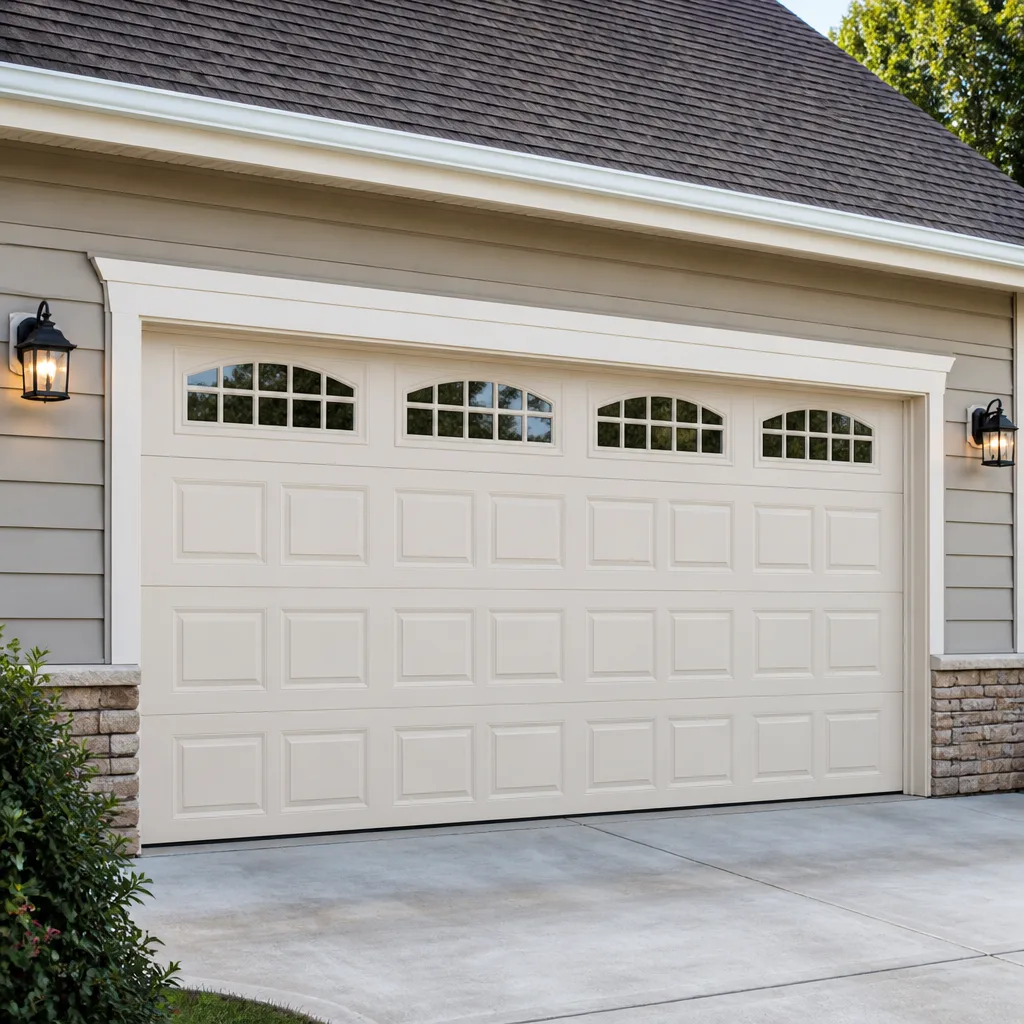 Raised-panel steel
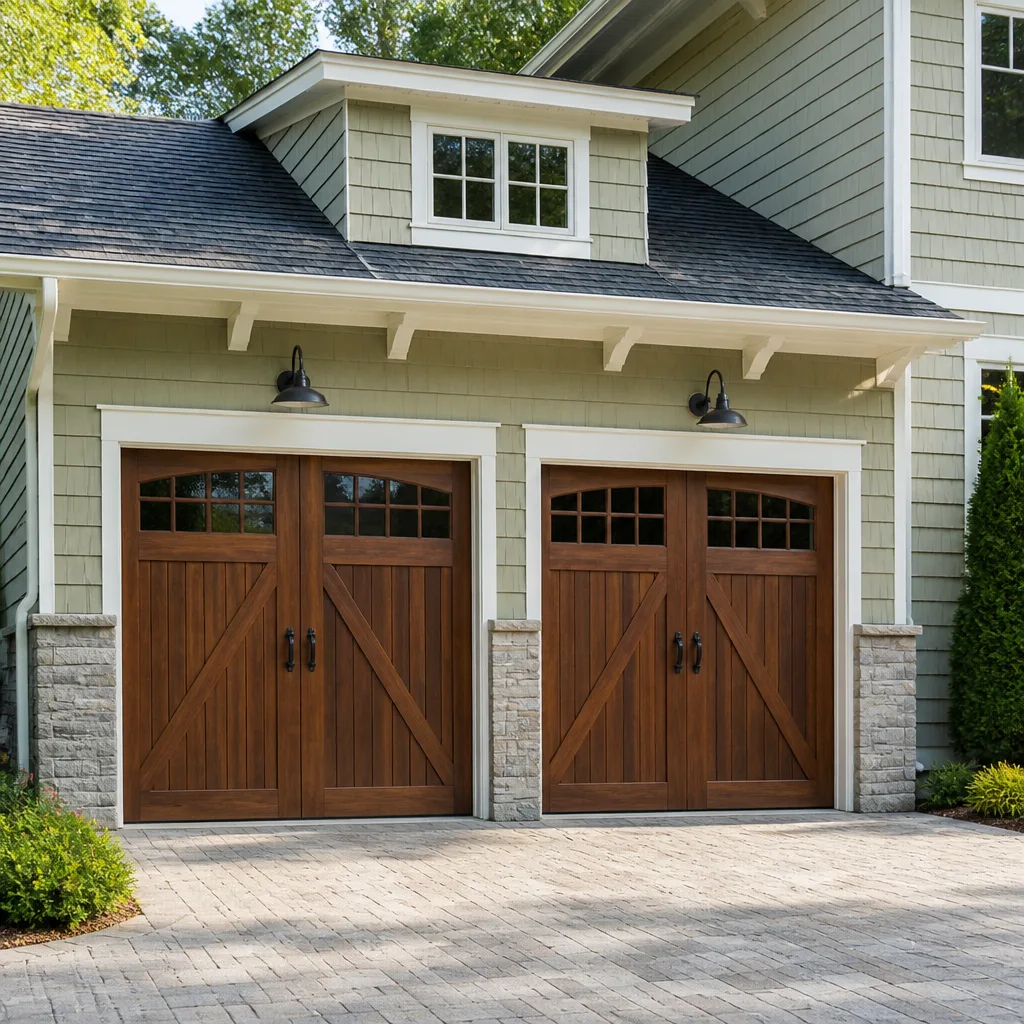 Carriage house
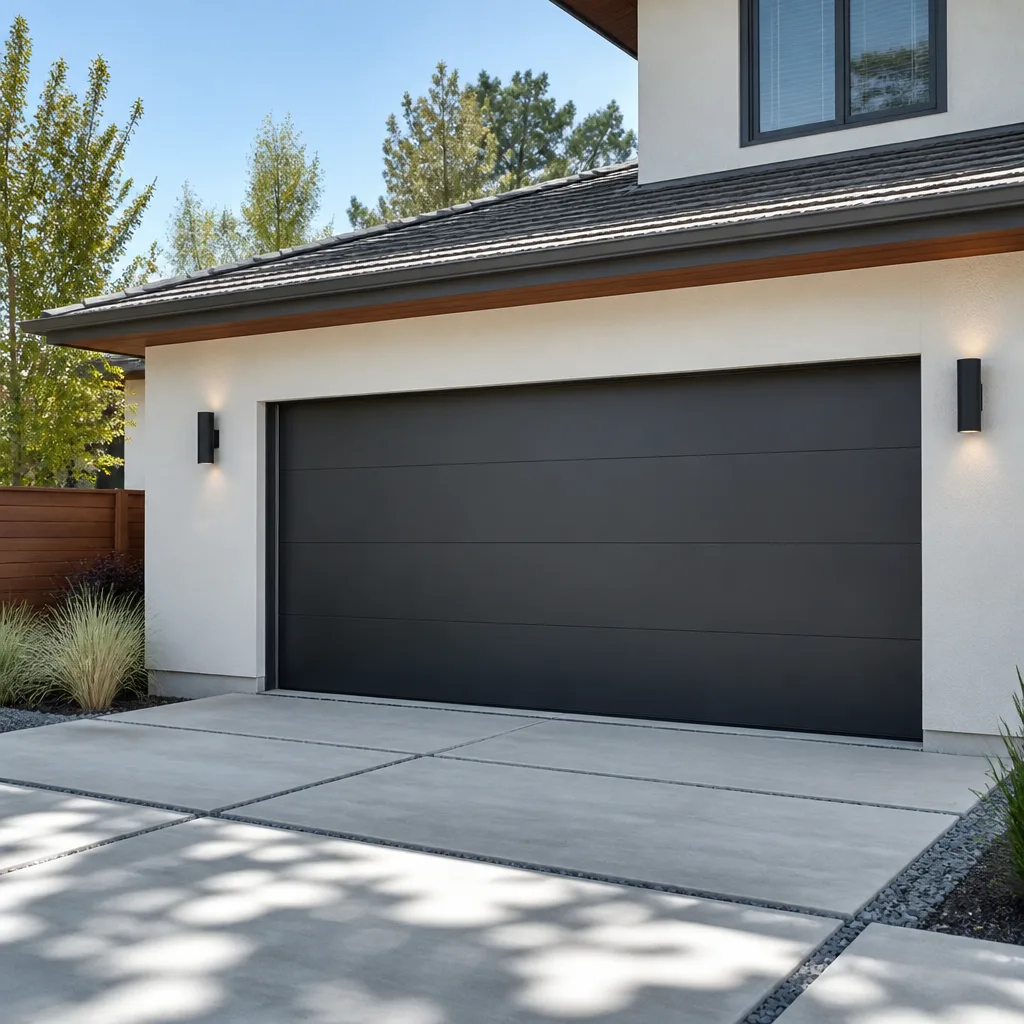 Modern flush
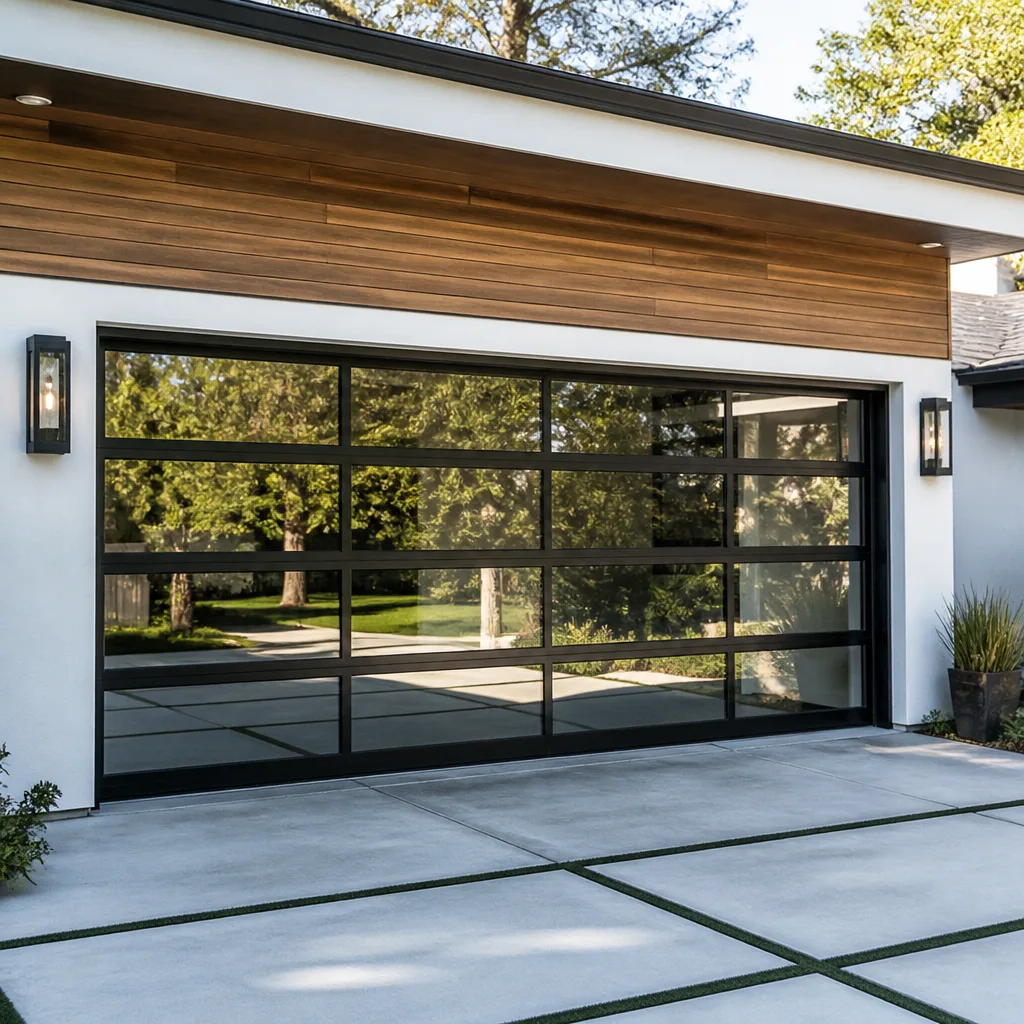 Full-view glass
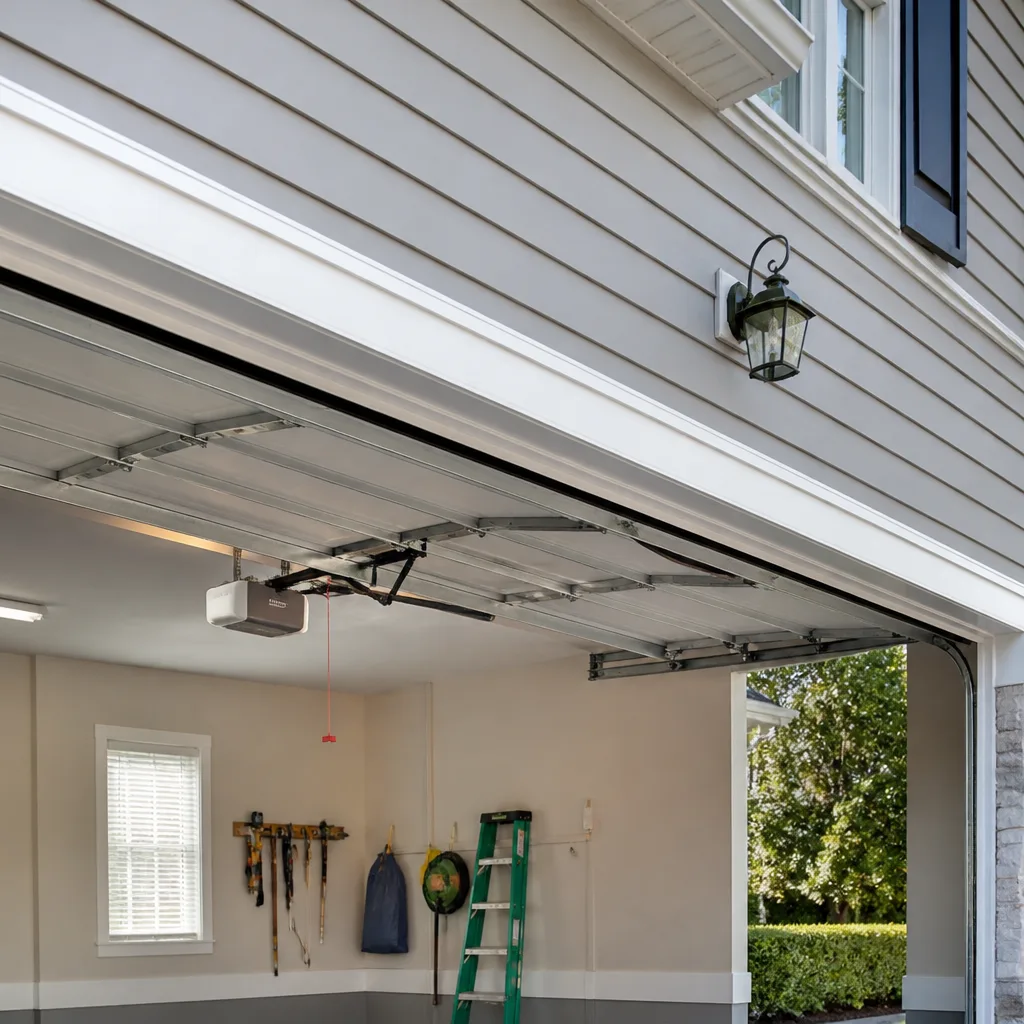 LiftMaster openers
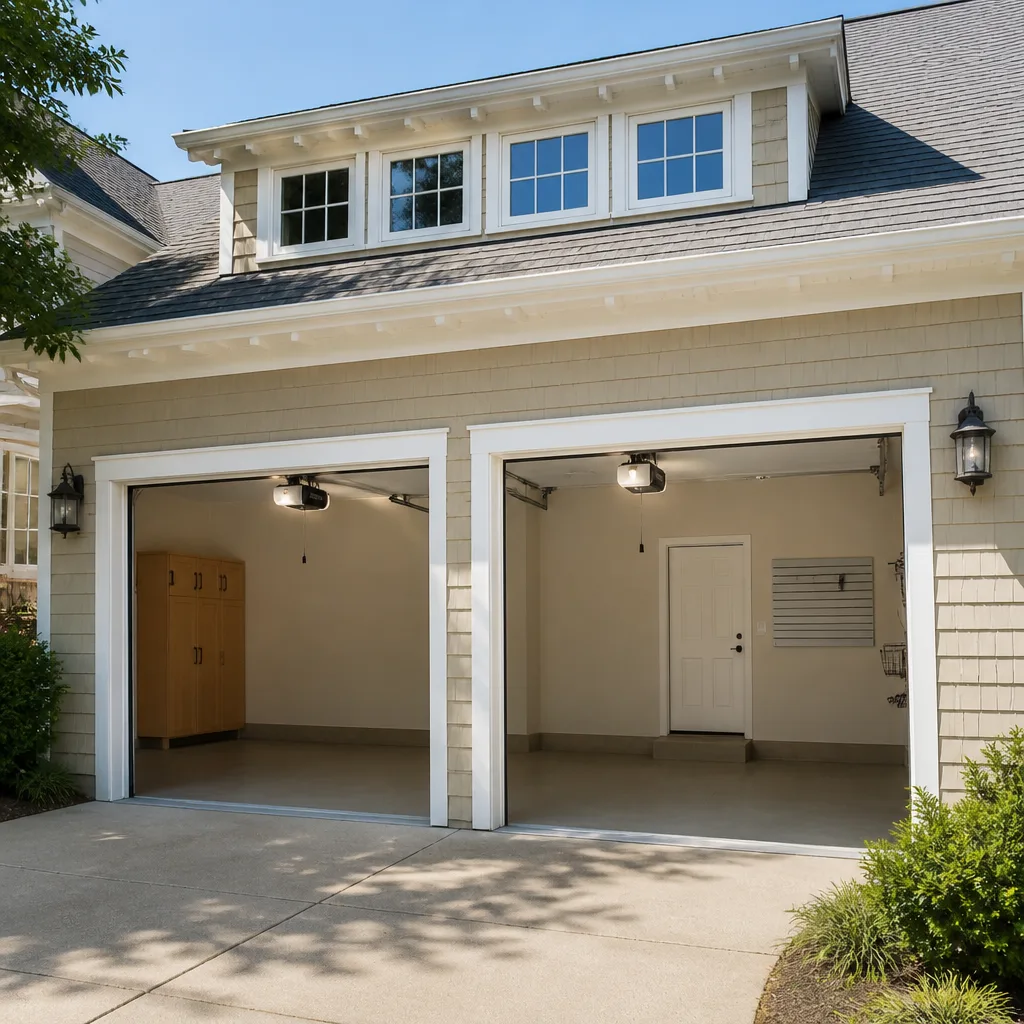 Chamberlain openers
Full 25-point door and opener safety check with every visit - springs, cables, rollers, tracks, and your LiftMaster or Chamberlain opener included
You get a price before we start. It does not change when the pro arrives.
Get your free estimateGarage Door Emergency Preparedness Guide for Aurora Homes
Most garage door emergencies get worse in the first five minutes, and almost never because of the door itself. They get worse because a homeowner does something reasonable in a panic – yanks the red cord, forces the door, props it with a broom – that turns a repair into a replacement. The truth is that the failure is rarely the hard part. The hard part is the handful of decisions you make before anyone with tools shows up. This guide gives Aurora homeowners a pre-built plan for those five minutes: what to do when the door is still accessible, what to do when it isn’t, and how to have the whole thing mapped out before a spring snaps on a cold morning.
Quick Answer
When a garage door fails in Aurora, your first job is to decide whether the door is accessible or not. If the door is closed and the car is trapped, use the manual release only when the door is fully down or fully up, never mid-travel, and never if a spring or cable is visibly broken. If a person is trapped, or the door is hanging or off its tracks, stop touching it and call a specialist. Getting this right in the first five minutes is what separates a straightforward repair from a dangerous one.
Styles & brands we work with
- Raised-panel steel
- Carriage house
- Modern flush
- Full-view glass
- LiftMaster openers
- Chamberlain openers
Table of Contents
- The Two Kinds of Garage Door Emergencies (And Why They Need Different Responses)
- How to Use the Manual Release Safely in an Aurora Garage
- Power Outage Protocol: Aurora Storm Season and Garage Access
- Vehicle-Trapped vs. Person-Trapped: Different Urgency, Different Steps
- The Five-Minute Pre-Emergency Audit for Aurora Homeowners
- How to Vet an Emergency Garage Door Service in Aurora Under Time Pressure
- Cold-Weather Failures Specific to Aurora’s Climate
- Common Mistakes to Avoid
The Two Kinds of Garage Door Emergencies (And Why They Need Different Responses)
Every garage door failure we see in Aurora falls into one of two categories, and the response protocol is completely different for each. The door is either accessible or it isn’t. That single distinction should drive everything you do next, and it should be the first thought in your head when something goes wrong.
An accessible failure means the door is fully closed or fully open, the car is on the correct side of it, and no one is stuck anywhere. These are the vast majority of calls. A snapped spring, a dead opener, a remote that stopped working, a photo-eye that’s gone out of alignment – all accessible failures. You have time to breathe, look at the door, and book a repair. The trick is not making it worse while you wait.
An inaccessible failure means the car is trapped inside, a person is trapped, or the door itself is in a dangerous state – hanging off one track, resting on a bent panel, or stuck mid-travel with a broken spring. These are the calls where the wrong move in the first five minutes causes real harm. Nobody should be under that door, nobody should be pulling on it, and nobody should be forcing the opener to “try one more time.” A garage door under spring tension is a genuinely dangerous piece of equipment, and a trained technician is the only person who should be near one that’s failed mid-cycle.
Why the distinction matters so much in Aurora specifically: most homes here have an attached garage that doubles as the main entry point. When the big door is stuck, the everyday flow of the house stops with it. Households start improvising – someone pries a panel, someone blocks the door open with a ladder – and the improvised fix is usually where the real damage starts. If you know which category you’re in before you touch anything, you’re already ahead of the situation.
A quick note on who works on this. We’re a garage door specialist, not a generalist. Every tool and every hour of training goes toward doors and openers, which is why we can tell you with confidence that a broken torsion spring on a Clopay door and a broken extension spring on a Wayne Dalton door are two different conversations. If you’re not sure what you have, our team can help you identify it over the phone before we send anyone out.
How to Use the Manual Release Safely in an Aurora Garage
The manual release – that red cord hanging from the opener rail – is the single most misunderstood piece of hardware in a typical Aurora garage. Homeowners treat it like a universal “open the door by hand” lever. It isn’t. It disconnects the door from the opener so you can move it by hand, but on a door with a broken spring or stretched cable, pulling that cord lets gravity take the full weight of the door with nothing holding it back. That’s how doors crash. It’s the one step most people skip when they’re in a hurry, and it’s the reason we get called to a bent door more often than a broken spring alone.
Here’s the rule to remember before you ever need it, and the rule to follow when you do:
- Check the springs and cables first. Look at the hardware above the door. If a spring is visibly snapped, hanging, or separated, or if a cable is slack or off its drum, stop. Do not pull the cord. Do not touch the door. That is a broken-door situation, and you call a professional.
- If the door is fully closed and everything looks intact, the manual release is the low-risk situation. Pull straight down on the red cord one firm time (don’t yank it or let it slip), lift the door by hand with both hands, and feel the weight. If it lifts smoothly and stays put when you let go, the springs are still doing their job and you can move the door. If it feels like you’re lifting the whole door with your back, the spring has failed and you need to stop.
- If the door is fully open, the same test applies in reverse. Pull the cord with one hand while the other is on the door, and feel whether the door wants to fall the moment it’s disconnected. If it drops on its own, the spring is gone. Let it come down slowly and leave it closed.
- If the door is mid-travel, hold it with both hands, or get a second person to hold it, before you pull the cord. This is where the crash happens. A door that’s disconnected halfway up with no spring tension will fall fast, and it will not stop for anything under it.
One more thing about the release itself: every so often, test that it works. On a door that’s sitting closed and quiet, pull the cord and feel the tension. If it’s stiff, rusty, or won’t pull cleanly, that’s a part to have looked at before you need it. A manual release that seizes at the wrong moment is exactly the sort of thing that turns an accessible failure into an inaccessible one.
Power Outage Protocol: Aurora Storm Season and Garage Access
Aurora’s storm season runs a real number on garage access every year. When the power drops after a summer thunderstorm or a winter ice event, the opener is dead, the door won’t move from the wall button, and the household is standing in the driveway figuring out what to do. The answer depends entirely on what you have installed, which is why it’s worth knowing now rather than at 9 p.m. in the rain.
A standard opener with no backup is a brick without power. No wall button, no remote, no keypad. The only way in is the manual release from inside the garage, which is fine if you’re already inside and useless if you’re not. If you’re outside the garage and the door is down, you have two routes: walk through the house if the interior door is unlocked, or use a keyed exterior release.
Here’s what’s worth having installed before you need it:
- Battery backup on the opener. Many modern openers from LiftMaster and Chamberlain include a battery backup option that keeps the door moving during an outage – typically enough for a handful of open and close cycles. If your door is life-critical for access (a caregiver arriving, a medical need, a car that must leave), this is the single best upgrade to make.
- A keyed exterior emergency release. This is a small keyed lock that mounts on the outside of the garage door frame and connects to the manual release via a cable. From outside, you turn a key, pull, and the door disconnects – so you can lift it by hand even if the opener is dead.
- A keypad on the outside of the door. A wireless keypad works as long as the opener has power, so it’s not a backup for outages. But it’s a backup for the lost-remote problem, which is its own smaller emergency.
If you have none of these and the power is out, use the manual release from inside the garage (if you’re already inside) and leave it disconnected until the power returns. Just remember: once the door is disconnected, don’t try to run the opener – it’ll spin without moving the door and can damage the carriage. When the power comes back, reconnect the door, then test the opener before you trust it.
In our experience, the households that lose access for the longest after a storm are the ones with no plan at all. Even a fifteen-minute conversation about which options suit your door goes a long way on the day the lights go out.
Vehicle-Trapped vs. Person-Trapped: Different Urgency, Different Steps
This is the most important distinction in the entire guide, and the one most people get wrong under pressure because both situations feel urgent. Vehicle-trapped is a logistics problem. Person-trapped is a safety problem. The response protocol is different, the urgency level is different, and the question of whether to call 911 depends entirely on which one you’re in.
Vehicle-trapped means the car is inside the garage, the door is down, and nobody is stuck anywhere. This is frustrating and time-sensitive, but it is not an emergency in the “call 911” sense. The steps are: (1) check whether the door is closed and resting normally, (2) confirm the springs and cables look intact, (3) use the manual release from inside the garage and lift the door by hand, (4) move the car, and (5) close the door and call for a repair. If the door is mid-travel or damaged, do not lift it. Leave it and call a professional. Somebody else can drive you to work.
Person-trapped is different. This means a person is trapped inside the garage (unable to get out, door won’t open, no other exit), or worse, trapped under a door or pinned by a panel that has come down. This is where you stop treating the door as a repair and start treating it as a rescue.
- If a person is under the door or pinned: call 911 immediately. Do not attempt to lift the door by hand if the spring or cable is broken – you can’t safely lift a door with no spring tension and you’ll drop it on yourself. Stay with the person, keep them calm, and wait for emergency services.
- If a person is trapped inside but not injured: call 911 if there is a genuine danger (carbon monoxide from a running car, extreme cold, medical risk). Otherwise, talk them through the manual release if they can reach it safely – and remember, only if the door is fully open or fully closed and the hardware looks intact.
- If a person is trapped inside and the manual release won’t work: call 911 and then call a garage door specialist. Fire and rescue can force a door if needed. We can often have a technician at the property quickly – the fastest dispatch is 7am to 7pm, Sunday through Friday, and the phone is answered around the clock.
The rule of thumb: an accessible door and a trapped car is a call to a specialist. A trapped person or a door that’s hanging is a call to 911 first, specialist second. When in doubt, err toward 911 – nobody has ever been criticized for calling emergency services on an ambiguous garage door situation.
The Five-Minute Pre-Emergency Audit for Aurora Homeowners
This is the part of the guide to do today, before anything goes wrong. It takes five minutes, requires nothing but your hands and your phone, and it’s the difference between a household that handles a door failure well and one that’s stuck in the driveway for two days. Do it on a weekend morning when the garage is quiet.
- Test the manual release. Close the door. Pull the red cord once and feel the tension. If it moves smoothly, reattach it by running the door slightly with the opener until the carriage clicks in. If it’s stiff, rusted, or won’t pull, note it – that’s a part to have serviced.
- Look at the springs above the door. Torsion springs (the horizontal ones on the shaft) and extension springs (the ones running along the tracks) both have telltale signs of fatigue: visible gaps, a stretched look, or rust. Don’t touch them. Just look and note.
- Check the opener’s response to the battery. If you have a battery backup, the manufacturer’s manual tells you the indicator light pattern. Test it. If the light shows a weak or missing battery, replace it now, not when the power goes out.
- Test the safety reverse. Put a roll of paper towels in the path of the door and close it. The door should reverse on contact with the roll. If it doesn’t, that’s a photo-eye or safety system issue that needs to be fixed.
- Update your emergency contact. Make sure a garage door company’s number is saved in every adult’s phone in the household. Not a general handyman – a specialist. We answer 24/7 at (866) 983-4312.
While you’re at it, take a photo of the openers and the door hardware. When you call for a repair, a photo of the model label saves a lot of guessing. We work on the eight major brands – LiftMaster, Chamberlain, Genie, Clopay, Amarr, Wayne Dalton, Craftsman, and Raynor – and knowing which one you have before we arrive means we can dispatch the right technician with the right parts knowledge from the start.
How to Vet an Emergency Garage Door Service in Aurora Under Time Pressure
If you’re booking a garage door repair under time pressure, two questions separate a legitimate garage door specialist from a dispatch broker who will subcontract to whoever answers first. Ask both of them before you agree to anything, and the answers will tell you a lot about who’s actually going to show up at your house.
Question one: “Are you the company that will do the work, or are you a dispatch service?” This is the most important question you’ll ask in the whole guide. A legitimate specialist will tell you they’re sending their own technician and can describe what that technician will do. A dispatch broker – sometimes calling themselves a “24/7 network” or a “local garage door service” – will take your information, take a payment, and then route the job to a subcontractor they’ve never met. The crew that shows up may not be licensed, may not be insured, and may not have any idea what a torsion spring is versus an extension spring on your specific door.
Question two: “Are you licensed and insured, and can you confirm the price before work starts?” A legitimate specialist will answer both without hesitation and will put the estimate in writing before anyone touches the door. If the answer to either is fuzzy – “we’ll figure it out on-site,” “the technician will explain” – that’s your signal to call the next number. You should also ask the two questions you’d ask of any trade: “Will you give me a written estimate before starting?” and “What brands do you work on?” We work on 8 of the industry’s major brands, and a real specialist will be able to name theirs without checking.
A few more things that separate the two:
- One specialty, not many. A specialist offers garage door repair, opener repair, and installation. A generalist offers those plus plumbing, HVAC, and handyman work, and garage doors are their side job.
- Brand familiarity, not generic fixes. A technician trained on LiftMaster and Chamberlain systems will diagnose a Chamberlain opener’s symptoms differently than a Genie opener’s, because the failure points are different. A generalist applies the same guess to every door.
- Answers before questions. A good dispatcher will ask you the right questions – what’s the door doing, is the car inside, are the springs intact – before they commit to a time. That’s a company that knows what it’s doing.
When you’ve got a real specialist on the line, ask about response time. They should give you an honest window, not a promise they can’t keep. The right fix for your specific system beats a fast turnaround that doesn’t actually fix anything – and a proper repair today is cheaper than a re-repair next month. Flagship-quality work means doing it right the first time, not just fast.
Cold-Weather Failures Specific to Aurora’s Climate
Garage door failures in Aurora cluster around two seasons: the deep cold of January and February, and the ice-and-thaw cycle that follows. The reason isn’t mysterious. Cold affects the moving parts and the metal hardware, and once those parts are already near the end of their useful life, a cold snap pushes them over.
The most common cold-related failure is a spring that has been slowly losing tension and finally snaps on the coldest morning of the year. Springs are metal, and metal under tension gets more brittle as temperatures drop. There’s no way to predict the exact day, but if a spring looks tired in the fall, it’s worth having it looked at before winter arrives rather than waiting for the morning it lets go.
Lubrication matters here in a way it doesn’t in warmer climates. The rollers, hinges, and tracks on a typical Aurora door benefit from a light application of a garage-door-rated lubricant – not WD-40, which is a cleaner, and not grease, which attracts grit. A twice-yearly wipe-down and lubrication routine keeps things moving smoothly when the temperature drops and reduces the chance of a roller seizing in its track.
The second cold-weather issue is the door refusing to close because the safety reverse is triggering. Rain, snow, and road salt that accumulates in the garage doorway can block the photo-eye and make the door bounce back up every time it tries to close. Warm water, a rag, and a quick wipe-down of the lenses usually solve it. If the door still reverses, the alignment is off and the photo-eye assembly may need adjustment.
If your door has failed during cold weather, our garage door repair specialists see this pattern every winter, and we can usually tell over the phone whether it’s a spring, a roller, or a photo-eye issue before we arrive. If you’d like to talk through options for a full replacement instead of a repair, our Aurora installation service is a natural next conversation.
Common Mistakes to Avoid
These are the moves that turn a straightforward repair call into a much bigger job. None of them are unreasonable in the moment. All of them are worth knowing about before you’re in the moment.
- Pulling the manual release with a broken spring. If the spring is visibly snapped or a cable is off its drum, the cord will disconnect the door and let it drop. That’s how doors bend panels and rip out tracks. Check the springs first.
- Repeatedly running the opener on a stuck door. If the door won’t move, the opener’s motor keeps trying, the gears grind, and the carriage wears down. Sometimes the opener survives the door problem fine and then needs its own repair because of the extra attempts.
- Forcing a door that’s off its tracks. A door that’s popped one side out of the track isn’t going to slide back in with a shove, and forcing it can bend the panel or drop the whole door. Stop, prop the door safely, and call a specialist.
- Using WD-40 or grease as a garage door lubricant. WD-40 cleans and displaces moisture but doesn’t lubricate over time. Grease collects grit and gums up the rollers. A proper garage-door lubricant applied twice a year is what keeps things moving, especially through an Aurora winter.
- Calling a general handyman for a garage door problem. Garage doors are their own trade. A generalist may mean well, but the tension in a torsion spring is measured in hundreds of pounds and the hardware is specific to each brand. This is a job for someone trained on garage doors exclusively.
- Booking through a dispatch broker instead of a local specialist. If the company can’t tell you who’s coming and what they’ll do before they take your information, that’s a red flag. You want a garage door specialist who knows their trade, not a call-center routing a subcontractor to your house.
- Ignoring a warning sign because the door still works. A door that makes a new noise, hesitates, or reverses at random is telling you something. Treat the warning sign as free information and have it checked before the failure.
See the difference
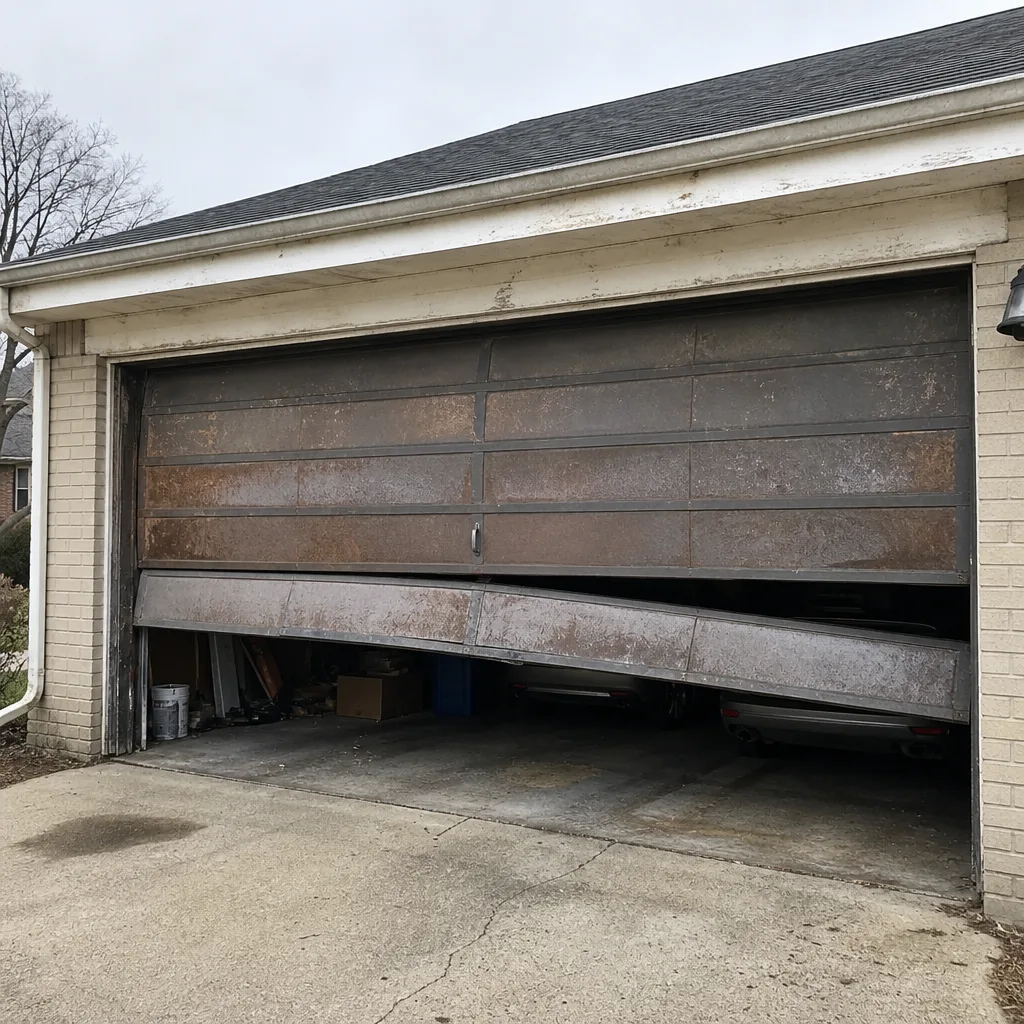 Before
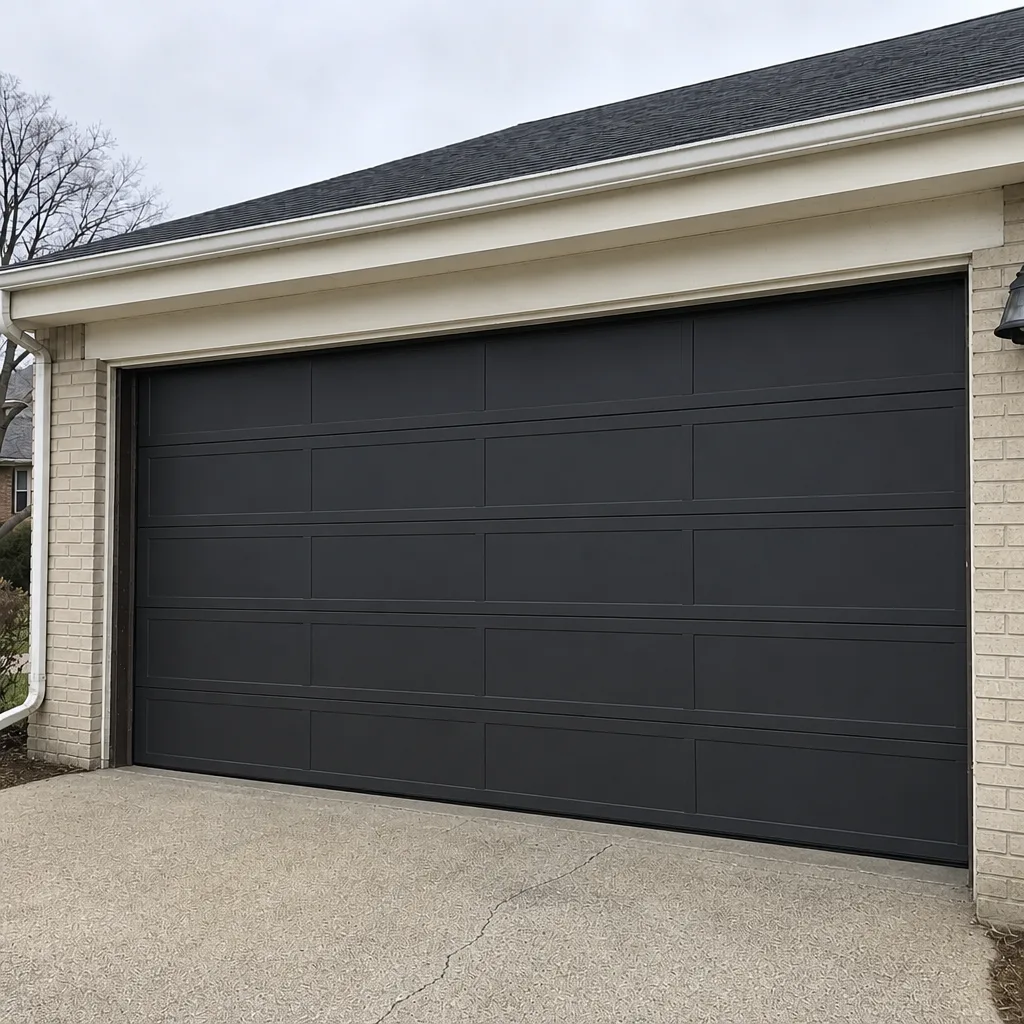 After
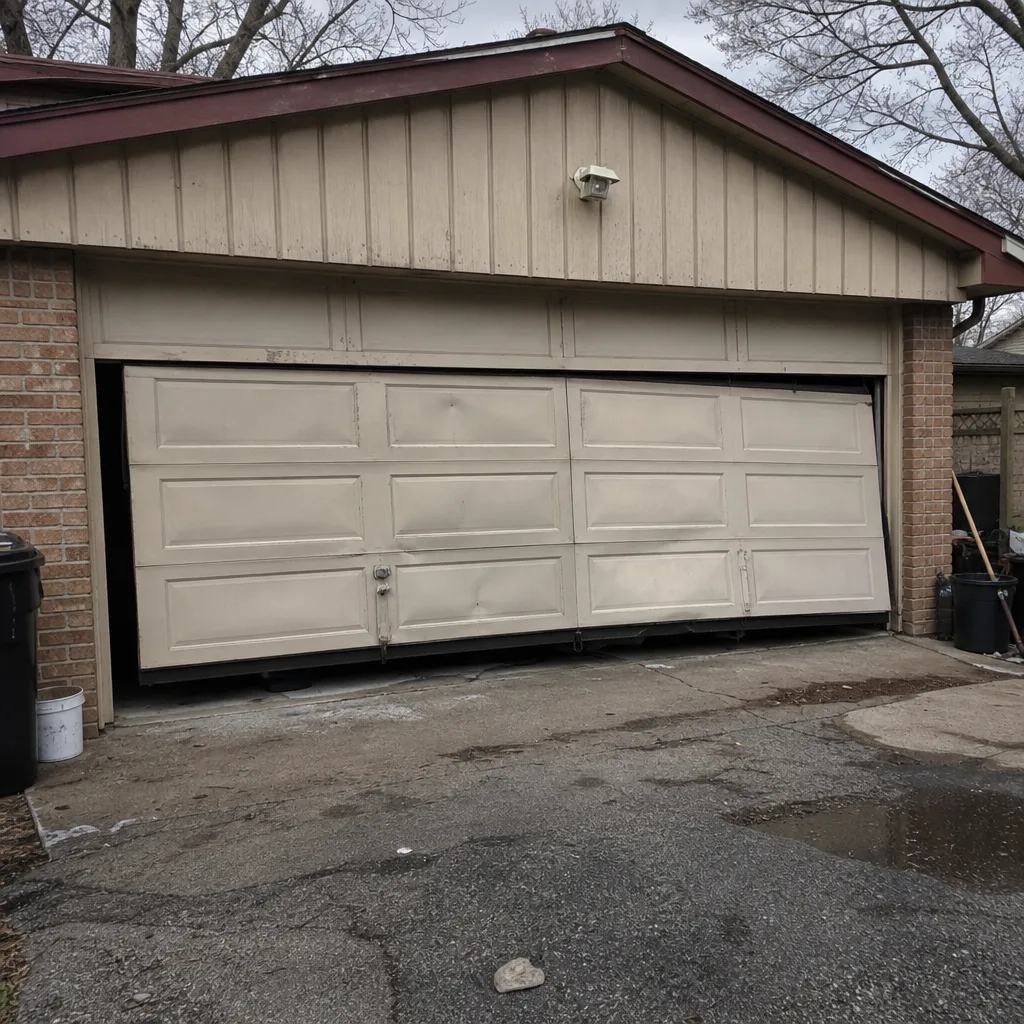 Before
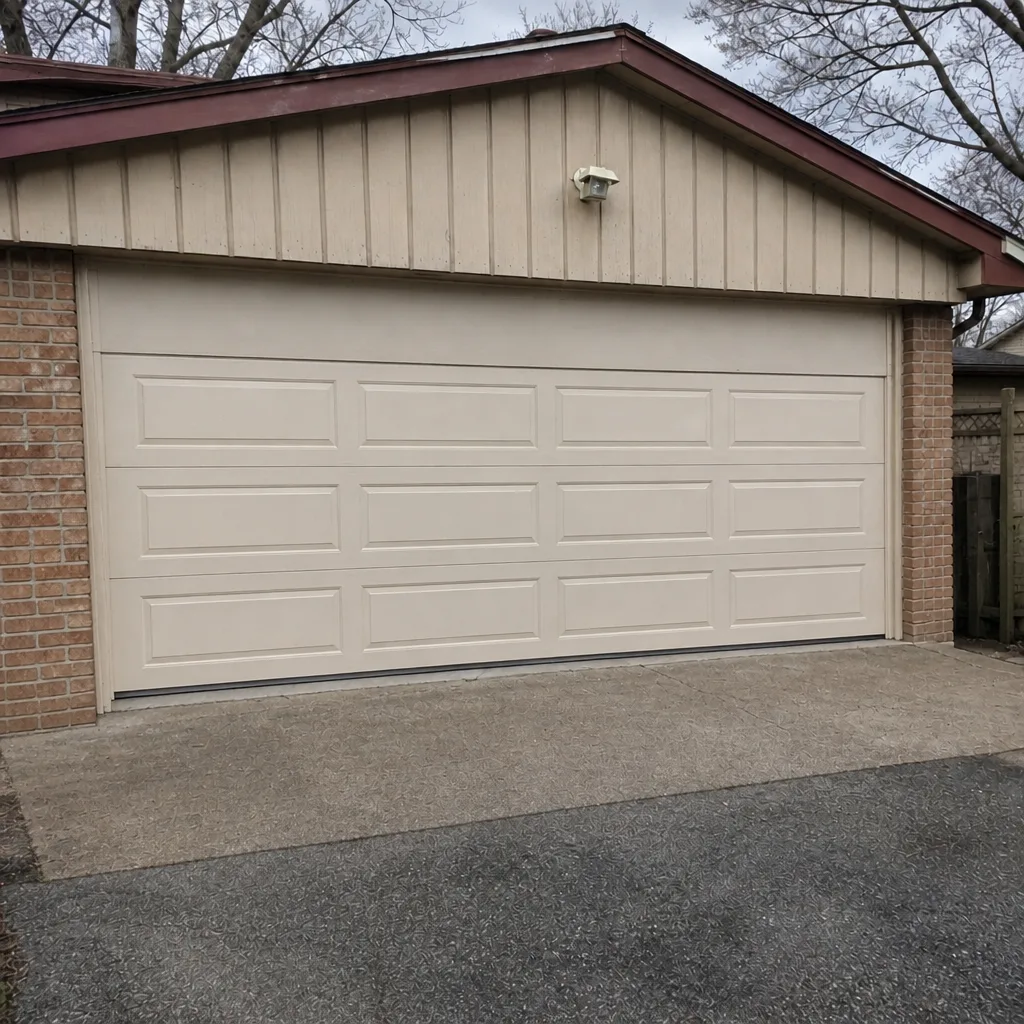 After
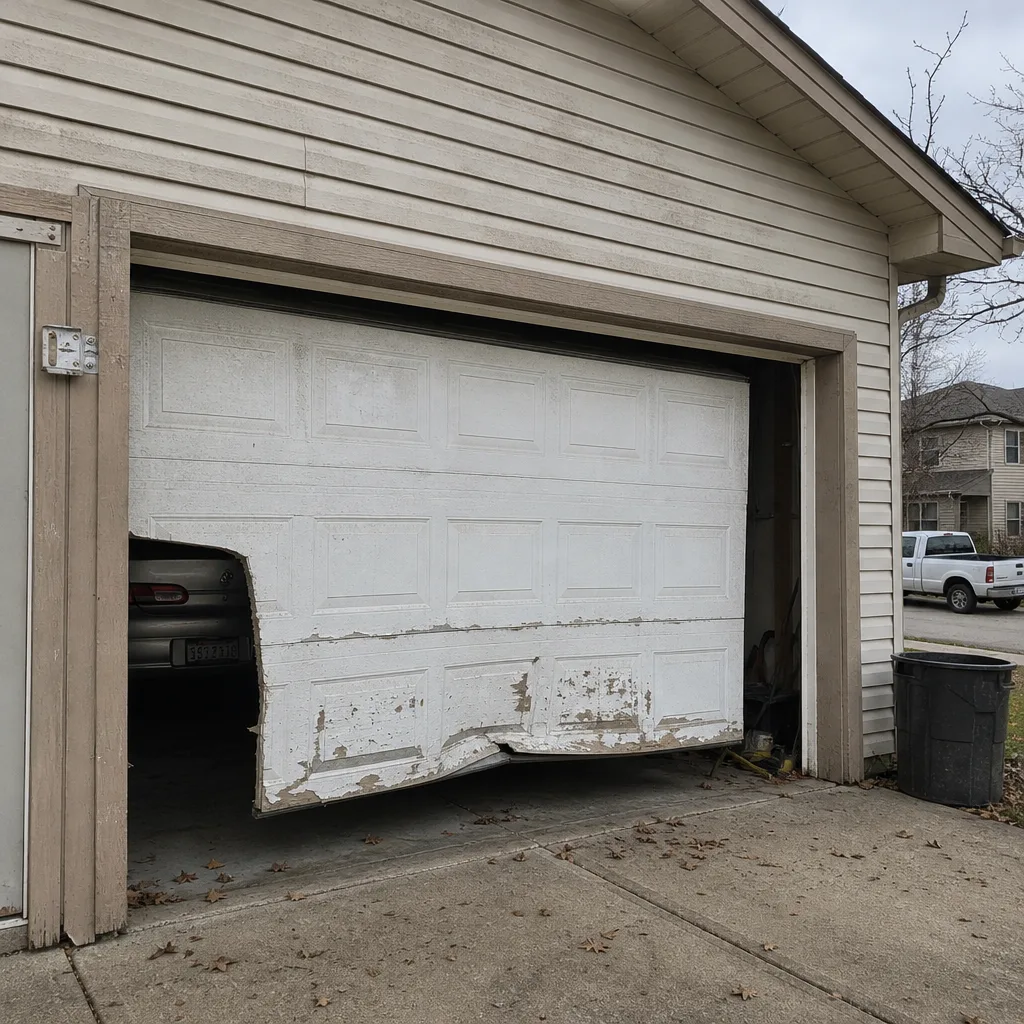 Before
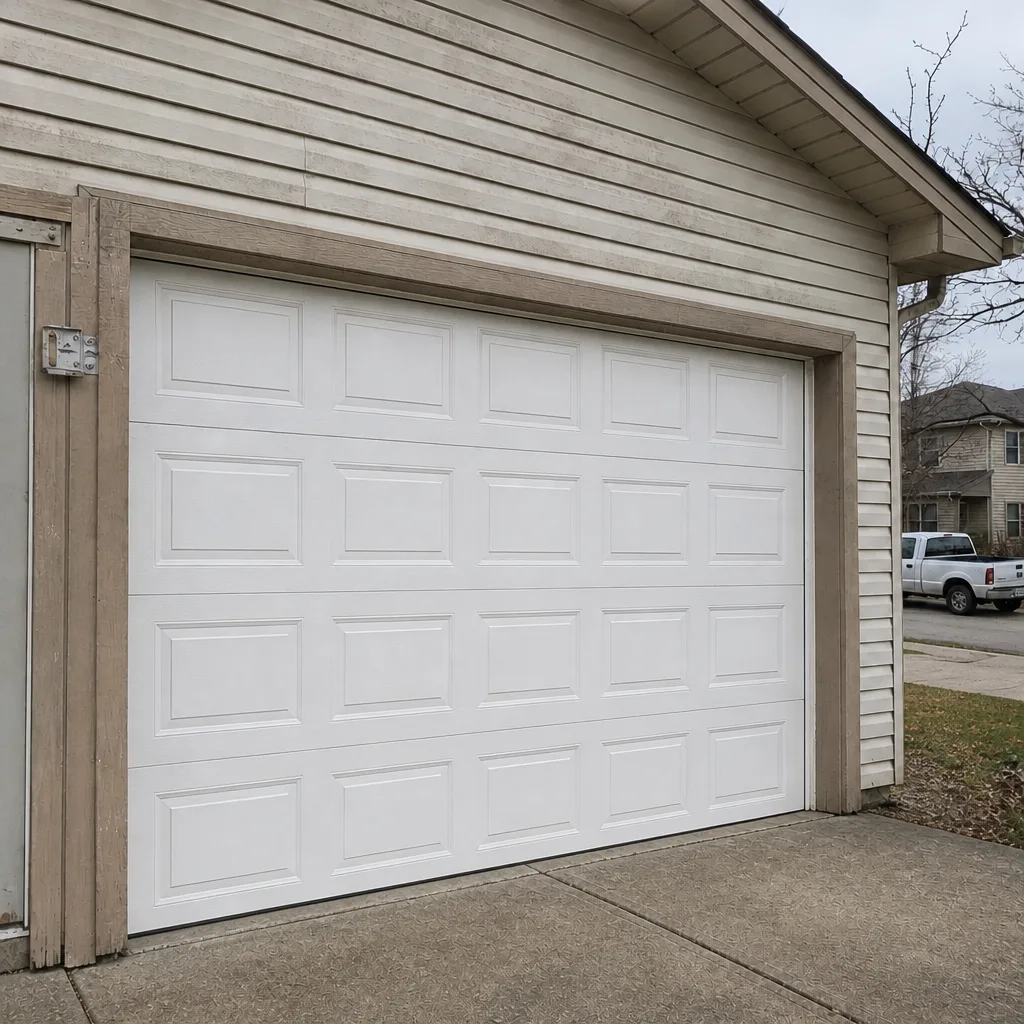 After
When to Call a Professional
Some garage door problems are genuinely do-it-yourself territory – a blocked photo-eye, a dead remote battery, a track that needs a wipe-down. Some are not. Call a professional immediately if you see any of the following: a broken or hanging spring, a cable off its drum or slack against the door, a door hanging off one track, a door that’s come down on a car or a person, an opener that smokes or sparks, or an opener that reverses the door repeatedly with no visible obstruction. These are all signs that the system is in a condition where a DIY fix can hurt you. On the spring and cable side, the correct advice isn’t “try it carefully” – it’s “stop touching it.”
Flagship Garage Door Repair offers free estimates in Aurora – call (866) 983-4312. We answer 24/7. Fast dispatch from 7am to 7pm, Sunday through Friday. Every price is quoted and agreed before any work starts, and we specialise in repair, opener repair, and installation under one roof, so if a repair today turns into a new-door conversation next month, you’re already talking to the right people.
Frequently Asked Questions
Yes, if the springs and cables are intact and the door is either fully closed or fully open. Pull the red manual release cord firmly and lift the door with both hands. If the door feels heavy, drops on its own, or the springs look broken, stop and call a specialist – do not force it.
Check the door hardware first. If the springs and cables look intact and the door is fully closed, pull the manual release and lift the door by hand. Move the car, then close the door and call for a repair. If the door is mid-travel, hanging, or a spring is visibly broken, leave the door alone and call a professional – the trapped car is a logistics problem, not a safety one.
Only if a person is trapped, the door is hanging or off its tracks, or a car is running inside a closed garage. In those cases, call 911 first. If it’s just a car trapped or a door that won’t open, it’s urgent but not an emergency – call a garage door specialist to book a repair.
We answer 24/7 at (866) 983-4312, and dispatch runs from 7am to 7pm, Sunday through Friday (closed Saturday). A call that comes in during dispatch hours gets the fastest response. A call outside that window is booked into the next opening – call and we’ll get you scheduled.
It’s worth having if garage access matters during a power outage. Aurora storm seasons regularly knock power out, and a LiftMaster or Chamberlain opener with battery backup keeps the door working for several cycles. If your door is a critical access point, it’s a sensible upgrade.
For repair and opener calls during dispatch hours, same-day is often possible, and we’ll be honest about the window when you call. For installation and replacement, that work is measured, ordered, and scheduled – we’ll give you a free measure and a written price, not a same-day promise.
The Bottom Line
Garage door emergencies in Aurora are rarely about the door doing something unusual. They’re about the decision you make in the first five minutes. Split the situation into accessible vs. inaccessible, respect the manual release, and know which side of that line you’re on before you touch anything. The five-minute audit doesn’t cost anything and it’s the single best investment you can make in your garage this week. And when something does go wrong, ask the two vetting questions – are you the company that will do the work, and are you licensed and insured – before you book anyone. A real specialist will answer both without hesitation. When you’re ready, we’re a phone call away.
Call (866) 983-4312 for a free estimate. We answer 24/7. Fast dispatch from 7am to 7pm, Sunday through Friday. Whether it’s a snapped spring or a full door replacement down the road, we’re your Flagship Garage Door Repair team, and we treat every call like the only one that matters.
Written by the team at Flagship Garage Door Repair.