
Last updated November 15, 2026
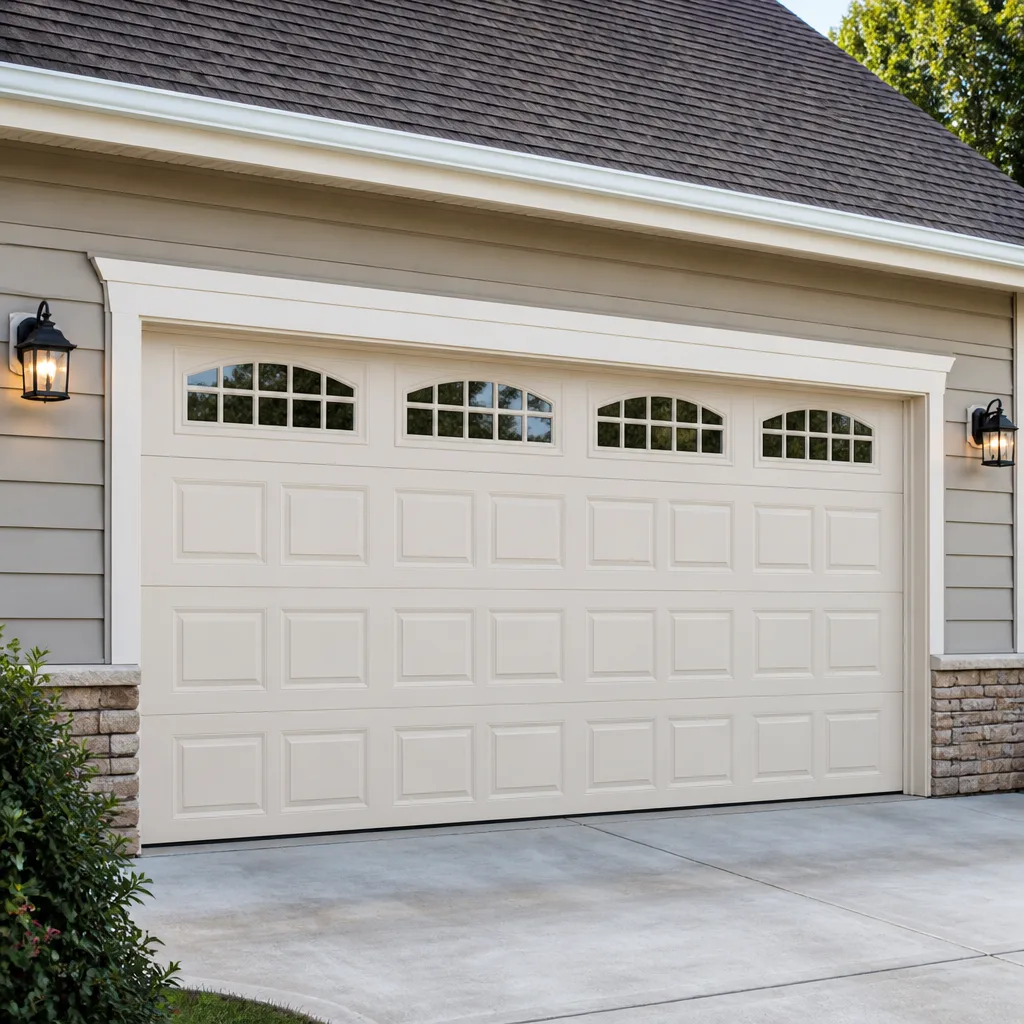 Raised-panel steel
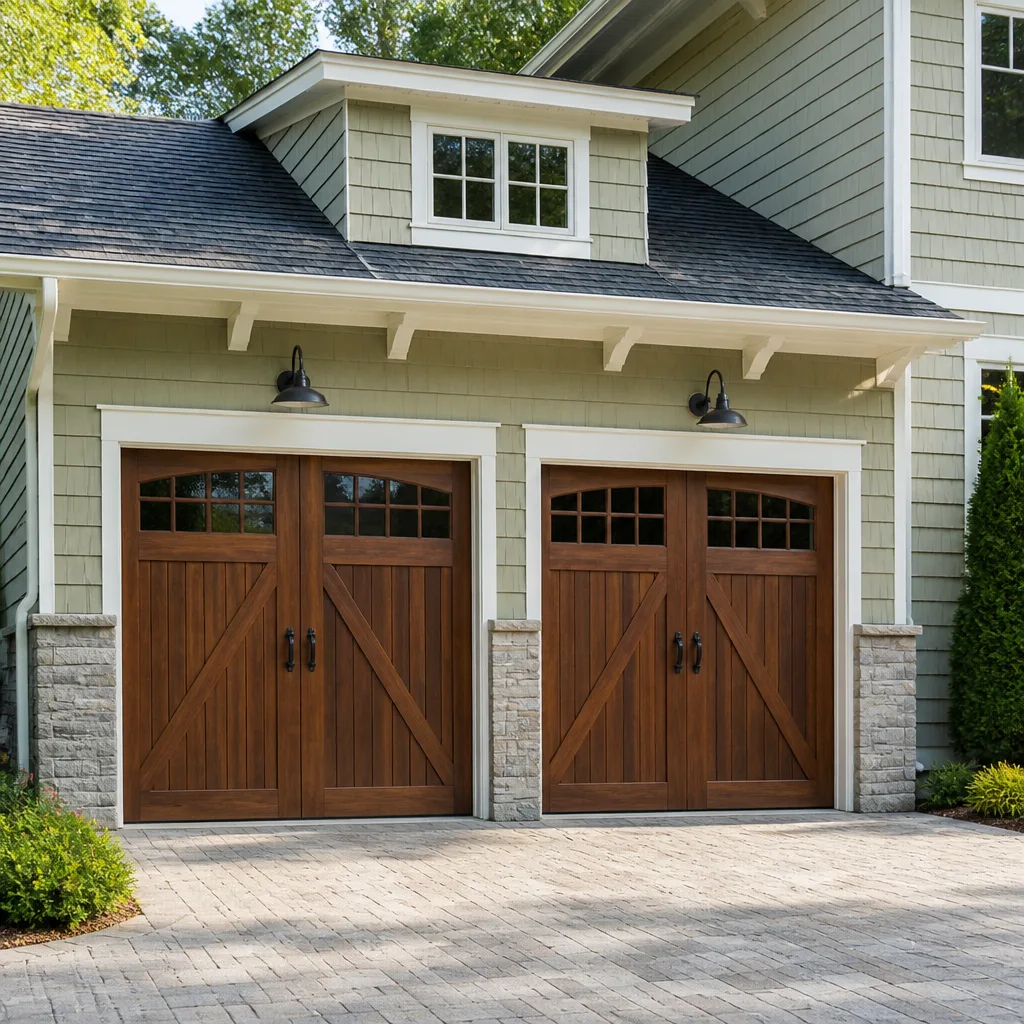 Carriage house
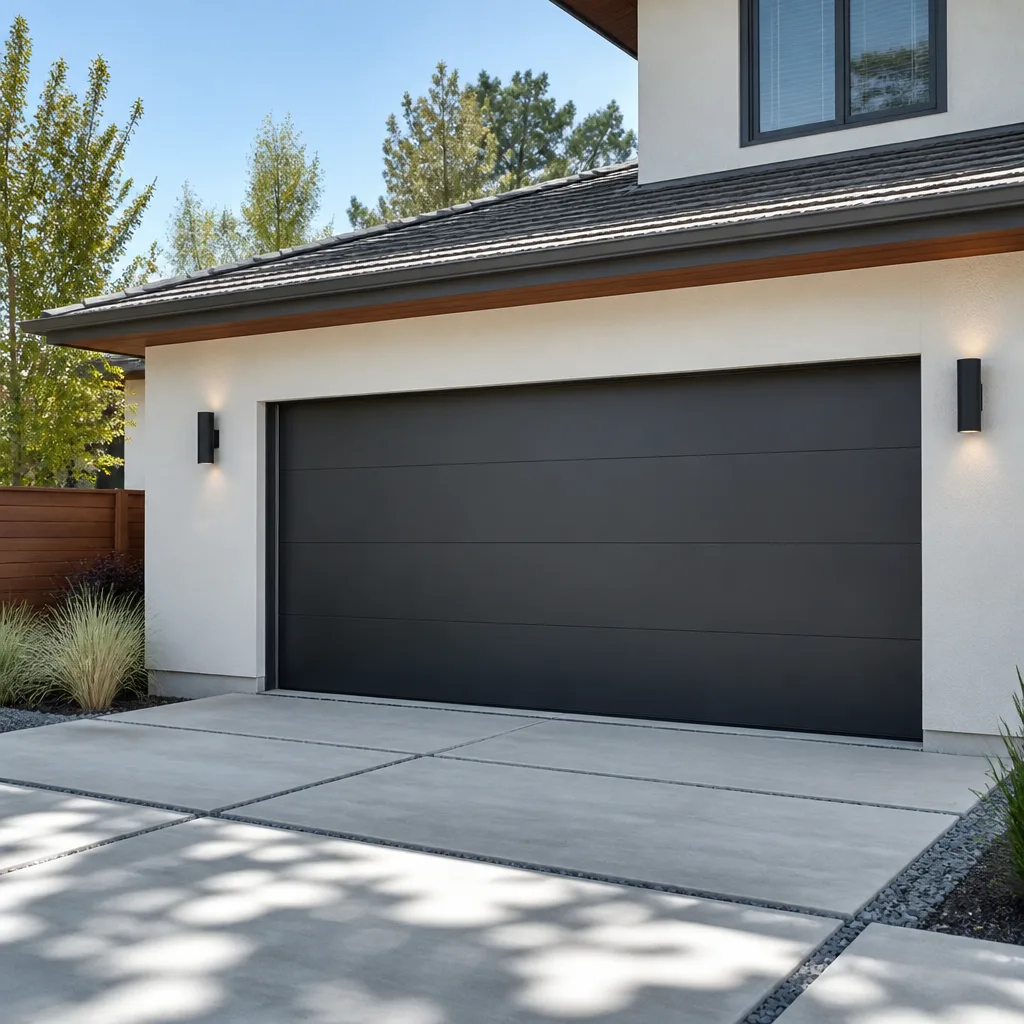 Modern flush
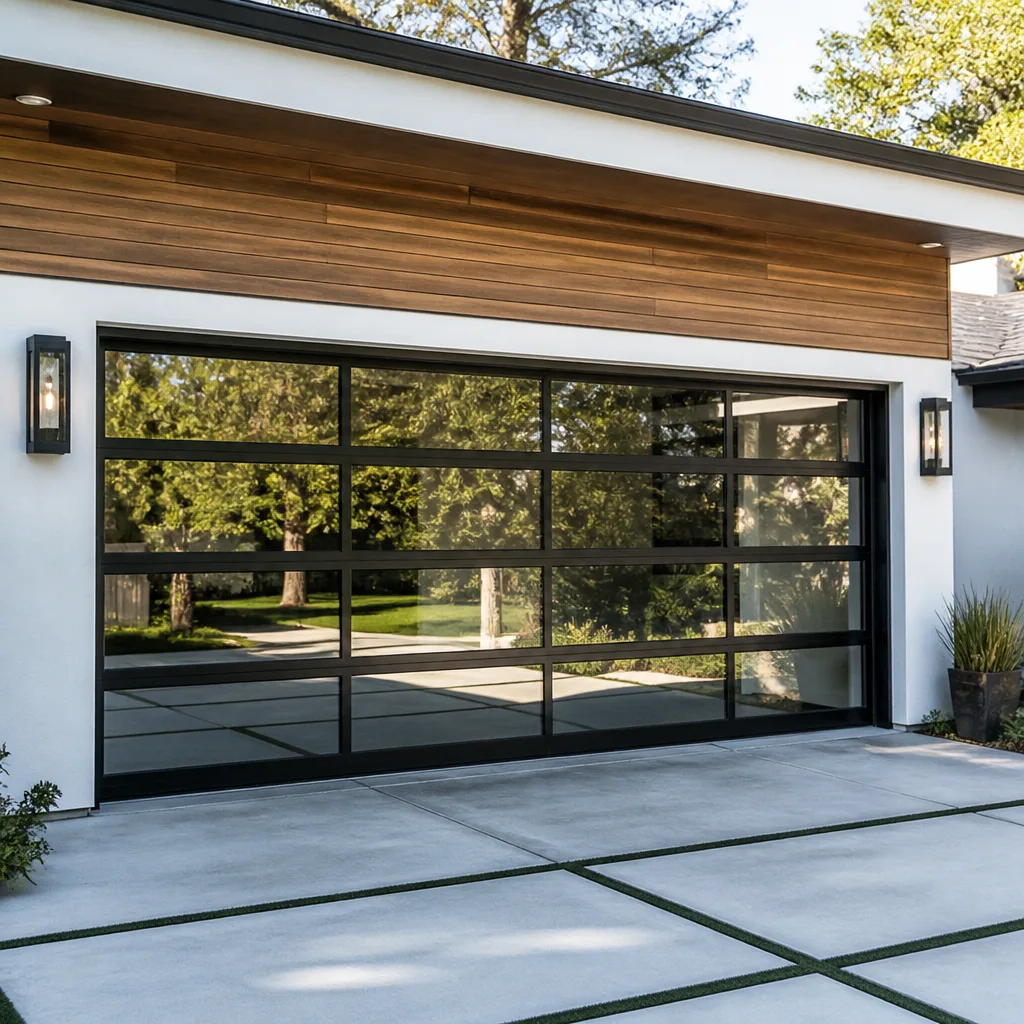 Full-view glass
 LiftMaster openers
 Chamberlain openers
Full 25-point door and opener safety check with every visit - springs, cables, rollers, tracks, and your LiftMaster or Chamberlain opener included
You get a price before we start. It does not change when the pro arrives.
Get your free estimateGarage Door Permits, Codes & Inspections in Aurora, IL: What You Need to Know
Here’s the part most homeowners get backwards: a $900 spring replacement that involves no structural change can legally need no permit at all, while a $700 track realignment that touches the header can. The permit trigger in Aurora has almost nothing to do with what you spend and everything to do with what the work disturbs. That gap is where people get caught, usually months or years later, during a home sale inspection when the fix is no longer optional and the timeline belongs to the buyer’s lender. This guide maps the actual thresholds: what counts as a repair, what counts as a replacement, how City of Aurora and Kane County jurisdiction split by address, what an inspector looks at, and who carries the liability when a permit gets skipped.
Quick Answer
In Aurora, IL, routine garage door repairs (springs, cables, rollers, openers, track adjustments) generally don’t require a building permit, but a full door or opener replacement that involves structural changes to the opening or header framing often does. Whether you fall under City of Aurora or Kane County jurisdiction depends on your address, and unincorporated areas are where most homeowners get surprised. Always confirm with the authority having jurisdiction before work starts, because the written permit rule is what protects you at resale and on an insurance claim.
Styles & brands we work with
- Raised-panel steel
- Carriage house
- Modern flush
- Full-view glass
- LiftMaster openers
- Chamberlain openers
Table of Contents
- Repair vs. Replacement: Where the Permit Line Actually Sits
- City of Aurora vs. Kane County: Which Rules Apply to Your Address
- What an Aurora Inspector Actually Checks
- How Unpermitted Work Affects Insurance Claims
- How Unpermitted Work Surfaces at Title Transfer
- Who Pulls the Permit: Contractor, Homeowner, or Owner-Builder
- How Aurora’s Climate Shapes the Work That Gets Permitted
- Step-by-Step: Permitting a Garage Door Replacement in Aurora
Repair vs. Replacement: Where the Permit Line Actually Sits
The permit line in Aurora doesn’t run along cost. It runs along structural involvement. A repair keeps the existing assembly in place and returns it to function. A replacement removes the assembly, and if that removal exposes or alters the opening framing, header, or structural attachment points, you’re likely in permit territory. That’s the distinction to hold onto when you’re deciding whether to call for an inspection.
Here’s how that plays out across the jobs we get asked about most:
- Spring replacement (torsion or extension): almost never a permit. The spring is a wear component on an existing assembly. No structural change.
- Cable, roller, hinge, and bracket repair: no permit in typical cases. These are component swaps.
- Opener replacement or repair: no permit in typical cases when the existing mount and electrical circuit are reused. New dedicated electrical work is a separate question for the electrical code official.
- Track realignment: usually no permit, unless the realignment requires refastening the track to altered or replaced framing.
- Full door replacement, same opening size, same track: often no permit, but the answer depends on the local official, and it’s the category where we’ve seen the most inconsistency. Ask before you order the door.
- Full door replacement with header modification, opening resize, or new structural attachment: permit territory. This is structural work, and it triggers inspection.
- New garage door on a new opening: permit required, because the opening itself is being created.
Notice that nothing on that list is priced. That’s the point. A homeowner who assumes “cheap work, no permit” and “expensive work, permit” is going to guess wrong on both ends. The right question is: does the work remove, alter, or refasten structural framing? If yes, call the City of Aurora’s building department or Kane County before work starts and describe the job in those terms. When we quote a garage door repair in Aurora, we walk through whether the job looks like a component swap or a structural job before anyone touches the door, because it changes the plan.
One more nuance worth knowing: replacing the door panel without touching the track, springs, or framing is the least permit-sensitive replacement on the list. Replacing the entire door is not. They sound alike to a homeowner and they are different jobs to an inspector.
City of Aurora vs. Kane County: Which Rules Apply to Your Address
This is the part that trips up more Aurora homeowners than any other. The City of Aurora lies across four counties, and Kane County is only one of them. That means two homes with Aurora mailing addresses and even similar ZIP codes can fall under different permitting authorities depending on whether they’re inside city limits or in unincorporated county territory. The address, not the city name on the envelope, decides who you call.
How to figure out which one you’re under:
- Check your property tax bill. The taxing district name tells you whether you’re inside a municipality or under a township and county combination.
- Check the plat or deed. The legal description will say whether the parcel is within an incorporated municipality.
- Call the City of Aurora building department. Give the address and ask directly: “Am I in your jurisdiction for a garage door replacement permit?” They’ll tell you yes or no in one call.
- If you’re outside city limits, call Kane County (or the applicable county). Unincorporated parcels in Kane County answer to the county for permits.
- Get the answer in writing if the job is a full replacement. An email from the permitting office settles the question years later at resale.
Where homeowners in unincorporated areas get caught: they assume the Aurora mailing address means Aurora rules. It doesn’t. They call the city, the city says “not our jurisdiction,” and the homeowner stops there, never making the second call. The work gets done with no permit, the county finds out at inspection, and the fix now involves a stop-work order, an after-the-fact permit, and possibly opening walls to verify framing.
Our Aurora service area spans both incorporated and unincorporated territory, and we’ve seen this play out enough to expect it. Before any replacement job, we tell the homeowner which authority to call and what question to ask. It takes five minutes and it prevents six months of resale trouble.
One practical note for cases where a permit is required: we’re a specialist working in your jurisdiction, not the authority. The permit office decides what qualifies. The written estimate says what we’ll do; the permit office says what the city or county will require. When those conflict, the permit office wins, and that’s something to hash out before work starts, not after.
What an Aurora Inspector Actually Checks
When a garage door replacement requires a permit in Aurora, the inspection is not an evaluation of whether your door looks nice or works smoothly. It’s an evaluation of the structural work required around the opening. Homeowners who expect a pass/fail on the door itself are often surprised by what the inspector focuses on. Here’s what typically comes up.
- Header and framing. Did the framing modification, if any, get done according to the approved plan and hold the required load? This is the primary reason a garage door replacement gets inspected at all.
- Attachment points. Track brackets, spring anchors, and jackshaft mounts must be fastened to the intended structural members, not to drywall or a non-structural patch.
- Approved plans match the work. If the permit was issued for a same-size replacement and the opening got resized in the field, the inspection fails.
- Electrical (opener work). If new electrical was part of the scope, the electrical inspection covers the circuit, box, and connection. The garage door inspection may not, but the electrical official will. These are separate inspections, and you need both sign-offs before the job is closed.
- Finished condition. The work should be in a state the inspector can see: access to framing, no concealment before sign-off, and the door installed as described.
- Documentation. The permit should be posted or available, and the contractor identification should match the permit record.
What inspectors don’t typically inspect: the door’s cosmetic quality, spring tension calibration, opener programming, or how quietly it runs. Those are the parts of the job your contractor is responsible for. A door that fails the inspection on a structural point is a different problem than a door that fails because the opener wasn’t synced.
An inspection is also not a warranty on future performance. It’s a snapshot of code compliance on one day. A pass on the day of inspection doesn’t mean a spring won’t snap in February.
What Happens If the Inspection Fails
The inspector issues a correction notice, the contractor schedules a re-inspection, and the fix needs to be made and visible. If the failure is structural, that correction may involve opening drywall or removing part of the assembly, which is why the sequence of work matters. The right order is: plans approved, framing done, framing inspected, door installed, final inspection. Skip a step and you’ll redo it.
How Unpermitted Work Affects Insurance Claims
This is the section most guides skip, and it’s the one that costs homeowners the most. Homeowners insurance responds to sudden, accidental damage. It does not respond to damage traceable to code-noncompliant or unpermitted work, and standard policies typically include exclusions you may not have read. If a garage door replacement was done without the required permit, and a subsequent failure leads to damage, the claim is likely to be denied or cut down to the damage that isn’t attributable to the noncompliant work.
What that looks like in practice:
- Wind or storm damage to an unpermitted replacement door is the cleanest case for a claim, because the damage has nothing to do with the missing permit. That claim usually moves forward.
- Structural damage traced to unpermitted framing changes around the opening is where insurers push back. The adjuster’s report will ask whether the work was permitted, and the answer matters.
- Injury claims from a garage door failure can depend on whether the installation met code. A door installed noncompliantly, and evidenced by an unpermitted job, sits in a much weaker position.
- Disclosure to your insurer at the time of the claim is not optional. Adjusters routinely ask about recent improvements. If you’ve replaced the door and didn’t permit it, that answer should be ready.
The financial consequence isn’t a fee. It’s that a claim you need to make is denied. That’s the number to remember the next time someone offers to skip the permit to save the homeowner “the hassle.”
If a garage door opener repair in Aurora is all that’s being done and no structural change is involved, there’s typically no permit to affect, and the claim question usually doesn’t come up. The line matters. But if an opener replacement involved new electrical work and that wasn’t inspected when it should have been, that’s a claim exposure too.
How Unpermitted Work Surfaces at Title Transfer
The other financial consequence is title transfer. When you sell a home in Aurora, the buyer’s inspector documents visible recent improvements, the title company asks about unpermitted work, and if an answer surfaces, the sale timeline and the sale price both move against you. An unpermitted garage door replacement is one of the most common findings in that process, because a full replacement is simple to identify (new panels, new track, new springs) and easy to compare against permit records.
The reality of the situation when it surfaces:
- The buyer can demand a retroactive permit. That means applying to the city or county after the fact, which may require the original contractor to sign as the permit holder, or the current homeowner to sign as an owner-builder.
- The work may have to be opened for inspection. Finished drywall around the opening may need to come down so the inspector can see the framing.
- Closing can be delayed. Retroactive permits take weeks, and a buyer’s lender won’t close on an unresolved permit issue.
- The price can be renegotiated. Buyers who know the fix will be inconvenient estimate it high and ask for the reduction.
- The buyer can walk. It’s not common to walk over a garage door permit, but it happens when the timeline for closing is short and the permit issue won’t resolve in time.
None of those consequences have anything to do with whether the original installation was good work. Even a well-installed door, done to code, with no permit, is a problem to close out. The permit is the proof, and the report matters more than the performance.
Who Pulls the Permit: Contractor, Homeowner, or Owner-Builder
In Illinois, the contractor performing the work is typically the entity that pulls the permit for work being done at a customer’s home. That’s the clean arrangement: the permit is tied to the party responsible for the work, the inspections are the contractor’s responsibility, and the final sign-off comes from the party who did the job. The homeowner pays for the permit through the contractor, but the contractor carries the permit record.
The alternative is owner-builder status. In Illinois, a homeowner who owns and occupies a single-family residence can typically apply for a permit as an owner-builder for work on their own home. That’s a legitimate path, and it’s a real option for a homeowner who’s doing the work themselves. What it isn’t is a loophole to skip contractor accountability. When a homeowner signs as owner-builder and then hires someone to do the work, two things happen:
- The homeowner becomes the permit holder and the inspection contact. When the inspector has a question, the inspector calls the homeowner, not the person who installed the door.
- The homeowner absorbs the liability. If the work fails inspection or there’s a later claim, the permitting party is the homeowner, and the installer has no permit obligation on record.
The bottom line for a contractor-permit job: the contractor pulls the permit, the contractor schedules the inspection, the contractor carries the liability until the final sign-off. That’s the arrangement to expect as a homeowner, and it should be stated in writing before work starts, not after.
This comes up when we quote a Flagship Garage Door Repair job that involves a full replacement. We tell the homeowner up front whether a permit is likely to be required at their address, and we tell them which party should hold it. That answer is part of the written estimate, and it’s part of the plan.
How Aurora’s Climate Shapes the Work That Gets Permitted
Aurora’s winters are the reason the permit conversation matters as much as it does. Freeze-thaw cycles, snow that lingers, and cold snaps that push springs and metal track to their operating limits are all routine here. Springs fail in Aurora disproportionately during the sharp cold stretches, and door replacements happen more often because the door’s structural performance in cold weather has degraded over years of thermal stress.
Two things follow from that. First, the repair jobs that don’t need permits (springs, cables, rollers, openers) are the ones Aurora homeowners call for most often in January and February. Those calls are the fastest path back to a working door, and there’s no permit to schedule, which is part of why the repair side of the trade is the busiest part of what we do. Second, the replacement jobs that do involve structural work tend to cluster in spring and summer, when homeowners plan new doors and when the permitting office is running at full capacity.
The practical takeaway: if you have a spring or opener problem in the cold months, the permit question usually doesn’t come up, and it’s the simplest kind of job. If you’re planning a new door for spring, call the permitting office in February so the plan is approved before the weather window opens. Don’t let the cold force a schedule you wouldn’t have chosen.
Step-by-Step: Permitting a Garage Door Replacement in Aurora
Here’s the sequence we walk homeowners through when a replacement looks like it will require a permit. Not every replacement will, and the calls below are how you find out.
- Call the City of Aurora building department or Kane County. Give the address and describe the scope: full door replacement, same opening size, or opening resize with framing changes. Ask whether a permit is required and what the application needs.
- Get the permit requirement in writing. An email or a reference number from the permitting office is worth having.
- Request the written estimate from the contractor. The estimate should state the scope, the permit responsibility, and the cost breakdown. The written estimate sets the final price.
- Apply for the permit. Either the contractor pulls it or the homeowner pulls it as owner-builder. Make sure the permit record matches who’s actually doing the work.
- Pass the pre-cover inspection if structural work is involved. Framing inspection happens before finishing, not after.
- Complete the installation. The door goes up, the opener goes in, the safety features get tested.
- Pass the final inspection. This is the sign-off that closes the permit and gives you the record for resale.
- Keep the permit and inspection records with your home documentation. When you sell, you’ll be asked. Having the paperwork ready prevents the whole problem.
The whole sequence from application to final inspection can move quickly or slowly depending on the permit office’s calendar and whether the work requires a pre-cover inspection. Plan for weeks, not days, when a full replacement is in play. Fast turnaround isn’t the goal on a permitted installation; the right sequence is.
Which Aurora Neighborhoods Run Into This Most
We field permit questions from Aurora homeowners all over. The most common calls come from older neighborhoods where garages are attached and openings weren’t built to modern standards, and from the edges of the city where unincorporated boundaries run up against incorporated ones. If you’re near those edges, confirming jurisdiction before you order a door is worth the call.
Common Mistakes to Avoid
- Assuming cost determines the permit requirement. A cheap job with structural involvement can require a permit. An expensive component swap usually doesn’t. The line runs along the structural work, not the invoice.
- Stopping at “not our jurisdiction.” When the City of Aurora says you’re outside city limits, that’s the start of the process, not the end. Call Kane County or the applicable township office next.
- Skipping the permit on a full replacement to save time. The permit record is the proof of compliance you’ll need whenever you sell, and “we didn’t think it was required” doesn’t get you out of the retroactive permit.
- Hiring a generalist who doesn’t know the Aurora thresholds. A contractor who does garage doors alongside plumbing and drywall is guessing on the permit line. A specialist who touches only garage doors knows it, and that matters here.
- Not getting the permit responsibility in writing. The written estimate should say who pulls the permit. If the estimate is silent on it, the assumption is the person doing the work, and that should be stated, not implied.
- Relying on an unauthorized installer to sign as owner-builder. When the homeowner signs as owner-builder and hires someone to do the work, the homeowner carries the permit liability. That’s a real risk to think through before signing.
- Leaving the final inspection open. An open permit on the record is worse than a closed one at resale. Finish the process, get the sign-off, and keep the paperwork.
- Assuming the insurance claim will just work out. If a claim traces to unpermitted work, the answer from the insurer is often no. The permit is the cheapest insurance you’ll buy on this job.
See the difference
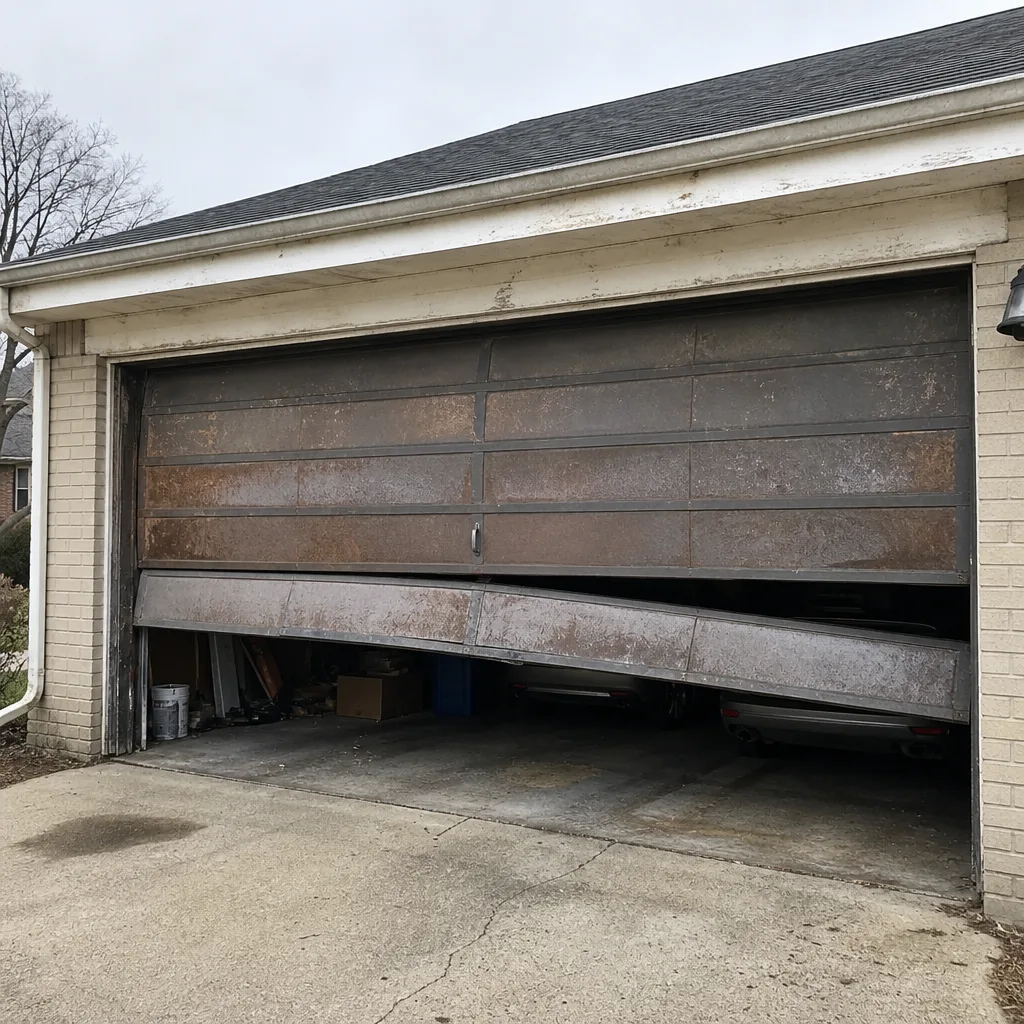 Before
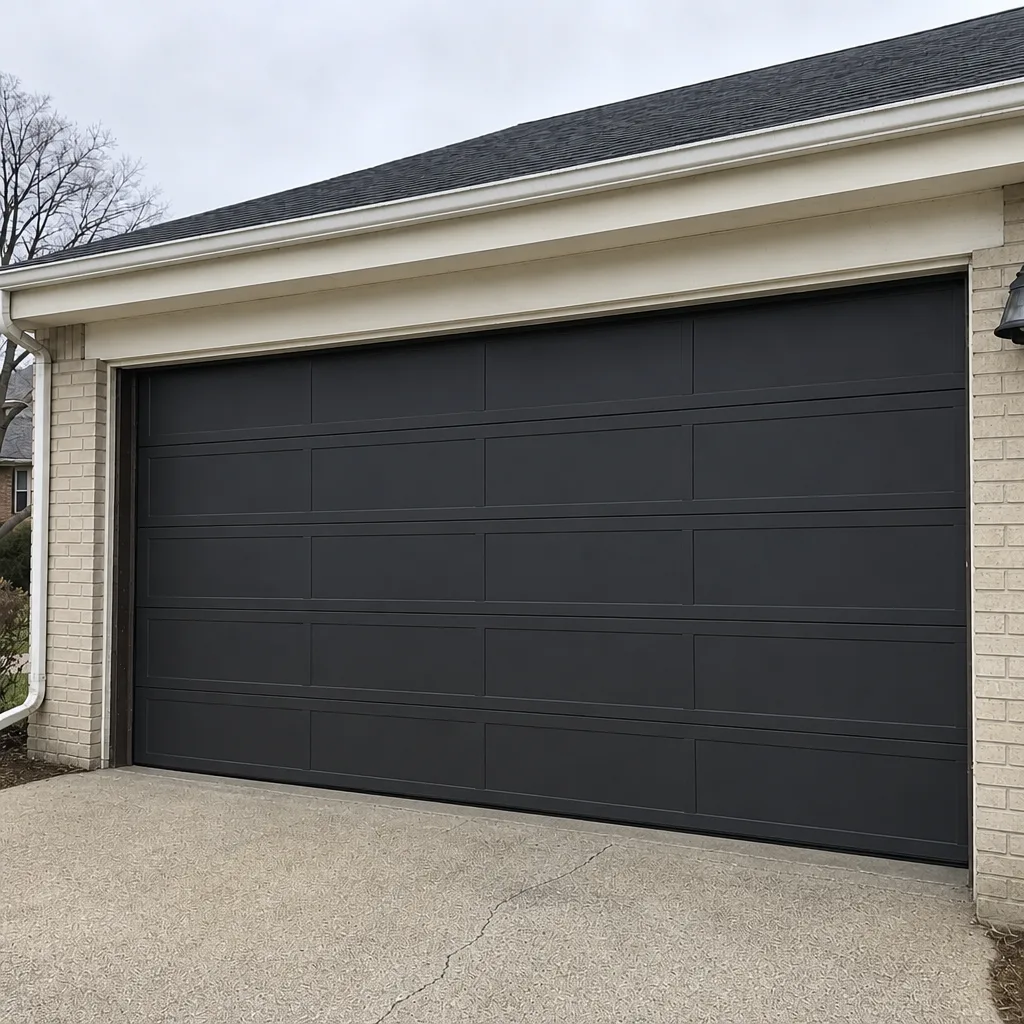 After
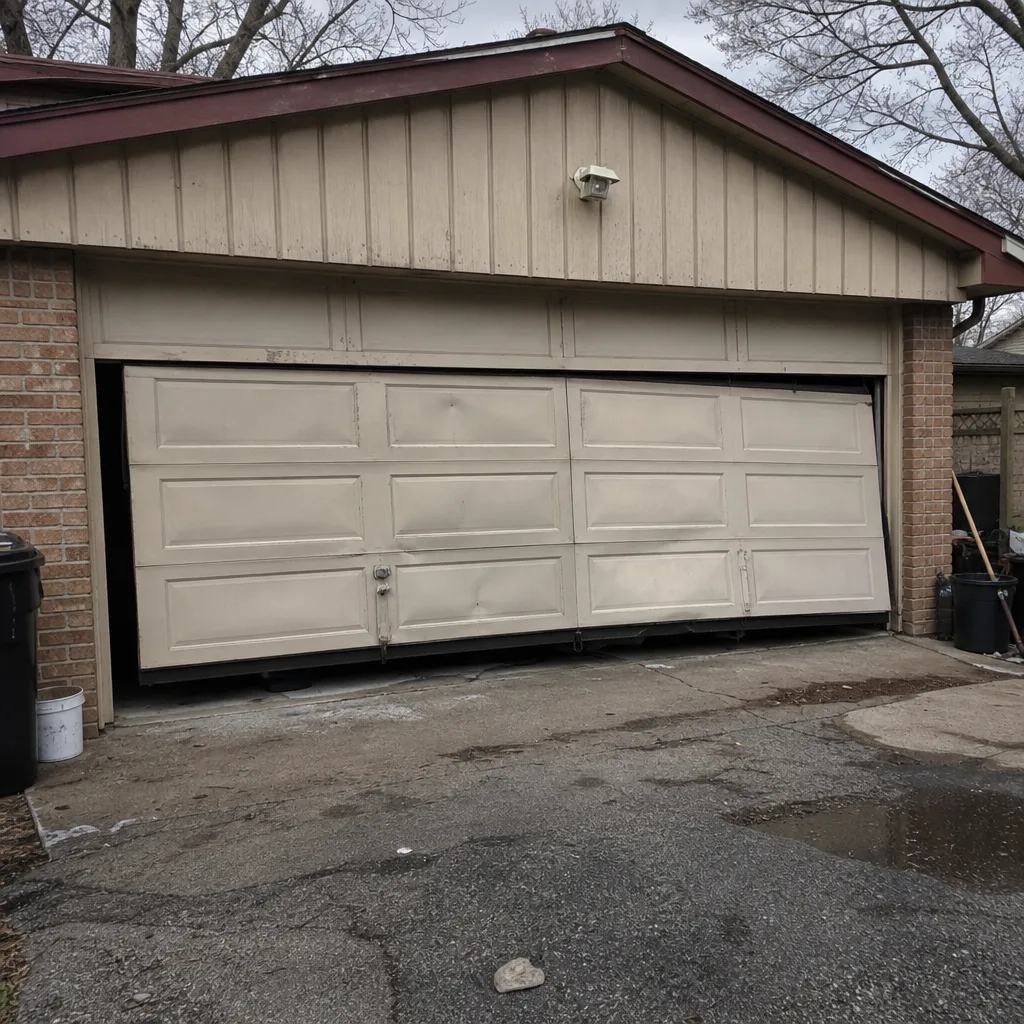 Before
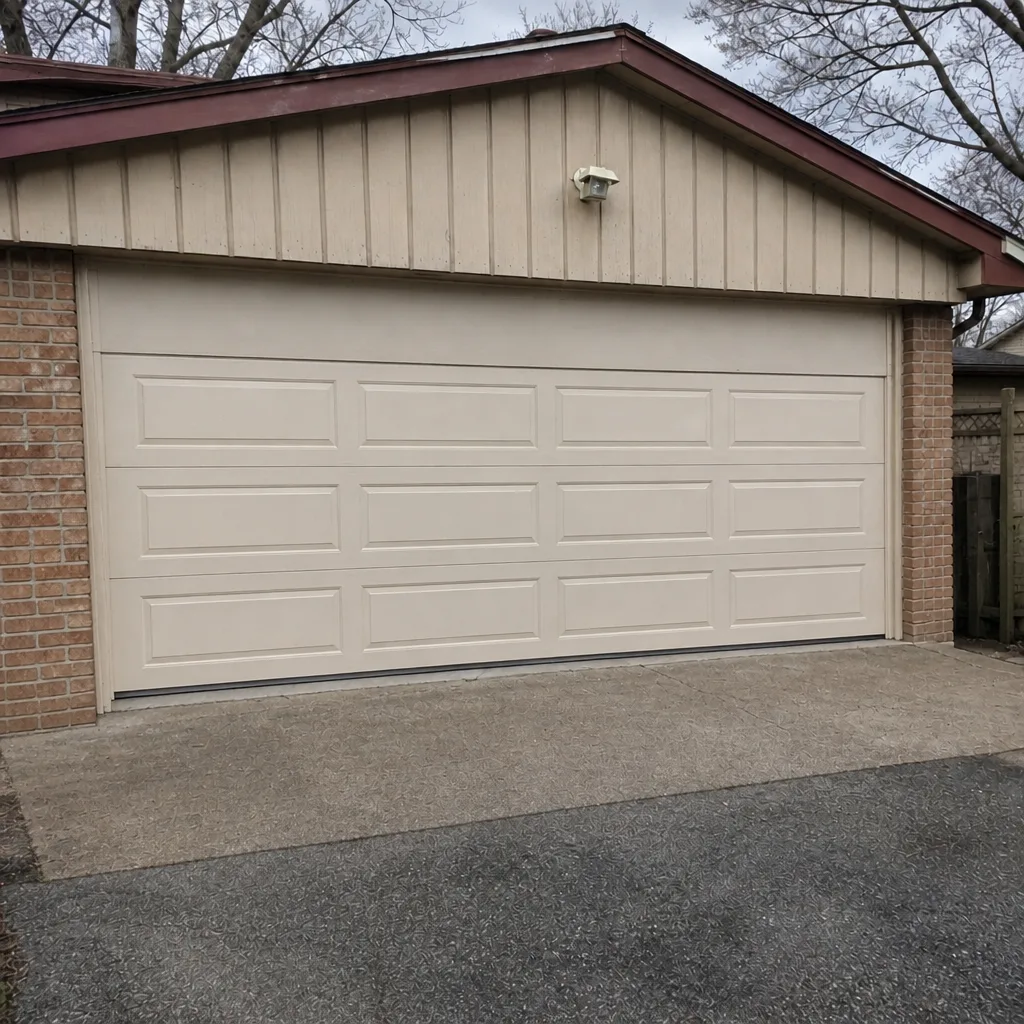 After
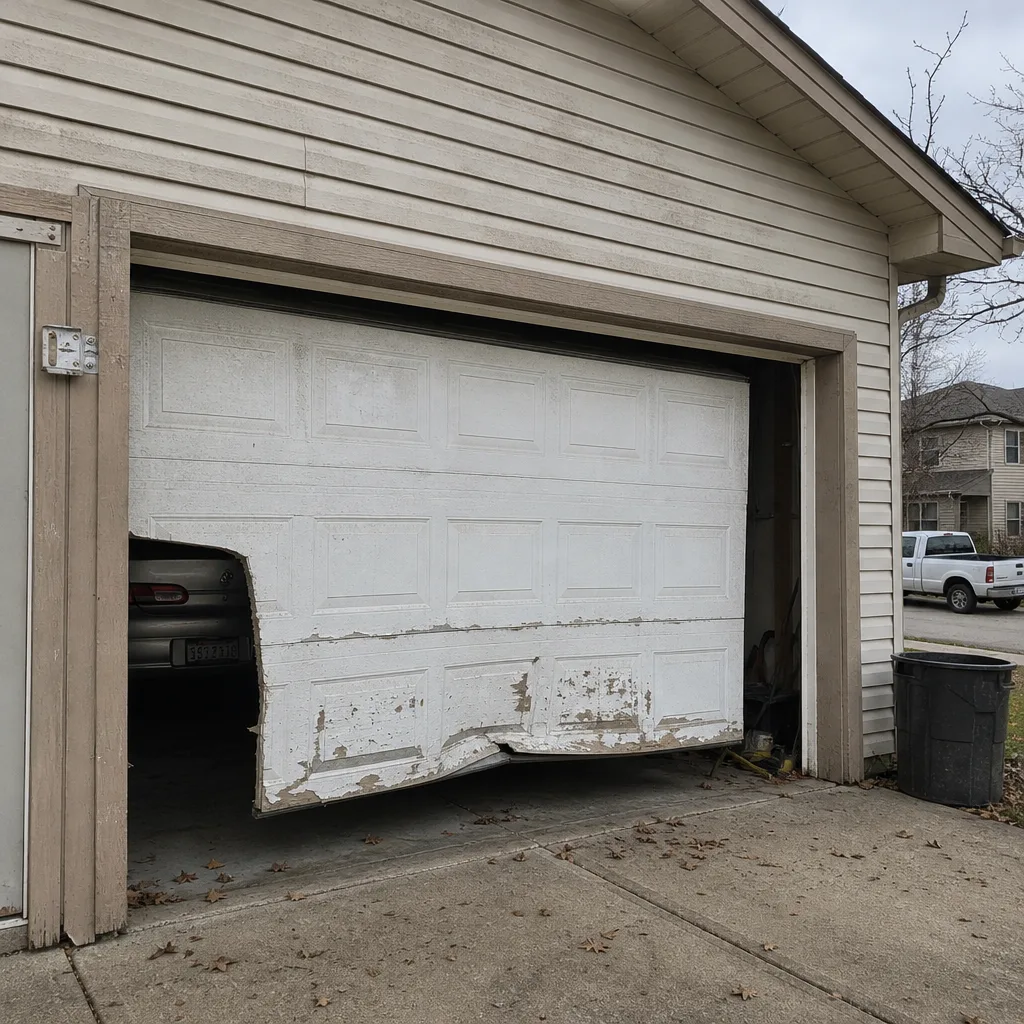 Before
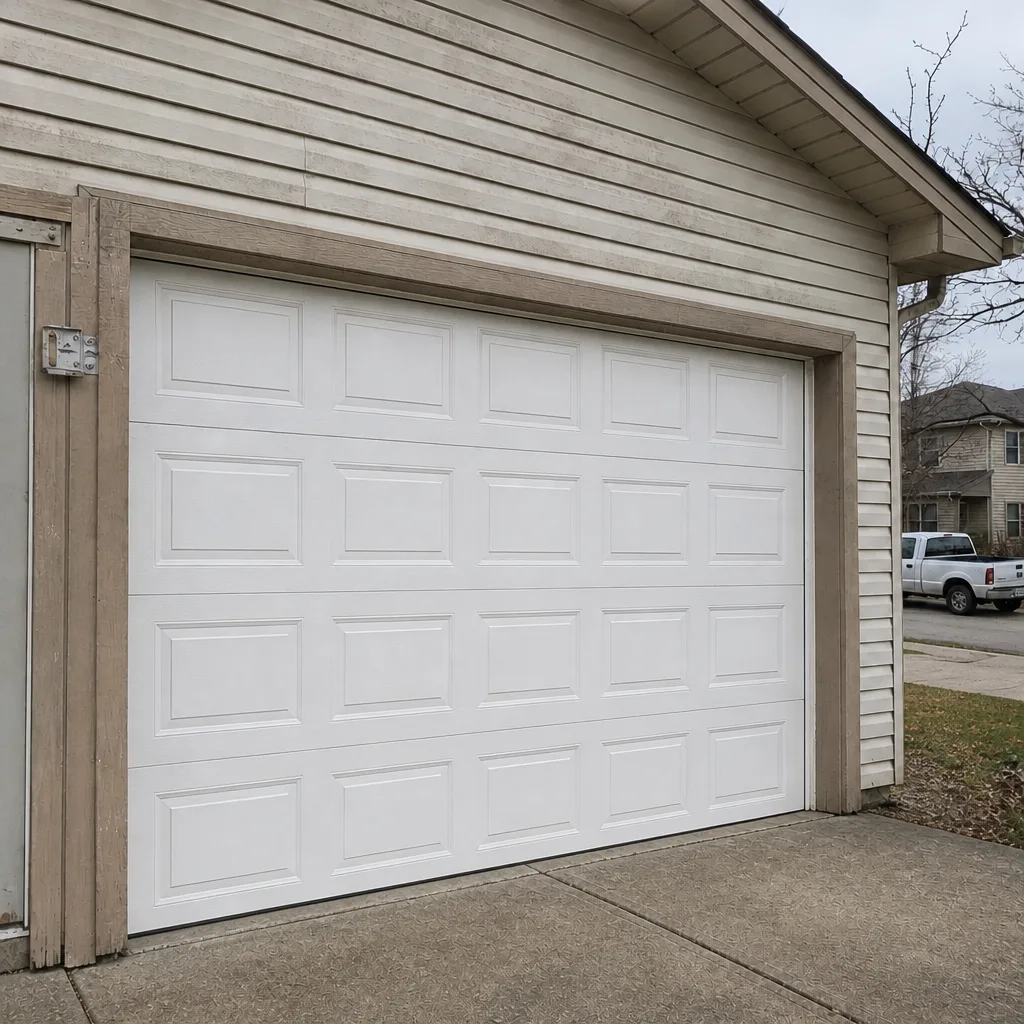 After
When to Call a Professional
A broken spring, a sagging door, a carriage door off its track, a torsion system that snapped in the cold, an opener that stopped responding to the remote, a bracket that pulled free of the drywall: those are calls for a trained garage door technician, not a homeowner with a ladder. High-tension springs and cables carry enough stored energy to cause serious injury, and the structural questions around a replacement are the same ones the inspector will ask. If you’re weighing a full replacement, the right starting point is a measure and a written price, and a specialist who’s trained on your specific door brand makes both more accurate. Trained on 8 of the industry’s most widely installed brands, including Clopay, Amarr, Wayne Dalton, and Genie, our technicians have up to 10 years of experience and arrive already familiar with your make and model, so the diagnostic conversation starts at the right place. From a snapped spring to a brand-new door, the whole job stays under one company. Flagship Garage Door Repair offers free estimates in Aurora. Call (866) 983-4312 and we’ll walk through the permit question with you before any work starts.
Frequently Asked Questions
In most cases, no. Routine repairs like spring, cable, roller, opener, and track adjustments typically don’t require a building permit in Aurora because no structural change is involved. The question to ask is whether your specific job touches framing or the header; if it does, call the City of Aurora’s building department before work starts. Call (866) 983-4312 for an exact quote on the repair side; estimates are free.
It depends on scope, not on price. A same-size replacement with no opening modification often doesn’t require a permit, while a full replacement with header changes, opening resize, or new structural attachment typically does. Confirm with the City of Aurora or Kane County based on your exact address before ordering a door. Call (866) 983-4312 and we’ll walk through your address and scope so you know which office to call.
In Illinois, the contractor performing the work typically pulls the permit, and the permit and inspection liability stay with the contractor until final sign-off. A homeowner who owns and occupies the home can apply as an owner-builder for their own project, but that shifts the permit and inspection liability to the homeowner. Get the answer in writing in the estimate. Call (866) 983-4312 to confirm the setup for your job.
The inspector focuses on the structural work, not the door’s cosmetic quality. That means header and framing changes, track and spring anchor attachment points, approved-plan matching, and any electrical work tied to the opener. The finished installation condition and the permit record are also part of the check. Inspections are the contractor’s responsibility to schedule; call (866) 983-4312 if you’re unsure who’s holding your permit.
It can. If damage traces to code-noncompliant or unpermitted work, standard homeowners insurers often deny or reduce the claim. A wind-driven panel failure on an unpermitted door usually still gets paid; structural damage tied to unpermitted framing is where the claim often fails. Confirm permit requirements before work starts. Call (866) 983-4312 and we’ll help you scope the job correctly.
Check your property tax bill or your deed for the taxing district. If you’re inside an incorporated municipality, the city is the permitting authority; if you’re in unincorporated Kane County territory, the county is. Call the City of Aurora building department with your address and ask directly. Call (866) 983-4312 if you’d like us to walk through the job scope before you make that call.
The Bottom Line
The permit line in Aurora runs along structural involvement, not cost, and that single fact clears up most of the confusion this guide exists to fix. A spring repair is typically permit-free. A structural replacement usually isn’t. Which office you call depends on your address, and unincorporated territory is where Aurora homeowners get caught. The two consequences most people underestimate are insurance claim denial and resale trouble, both of which cost more than the permit ever would. Get the requirement in writing, get the permit responsibility in writing, and close out the final inspection. That’s the whole playbook. When you’re ready for the work itself, Flagship Garage Door Repair is your dedicated garage door specialist for the whole job.
Call (866) 983-4312 for a free estimate. We answer 24/7, with fast dispatch from 7am to 7pm, Sunday through Friday. The price is quoted and agreed before any work starts, so there are no surprises after the fact.
Written by the team at Flagship Garage Door Repair.