
Last updated November 15, 2026
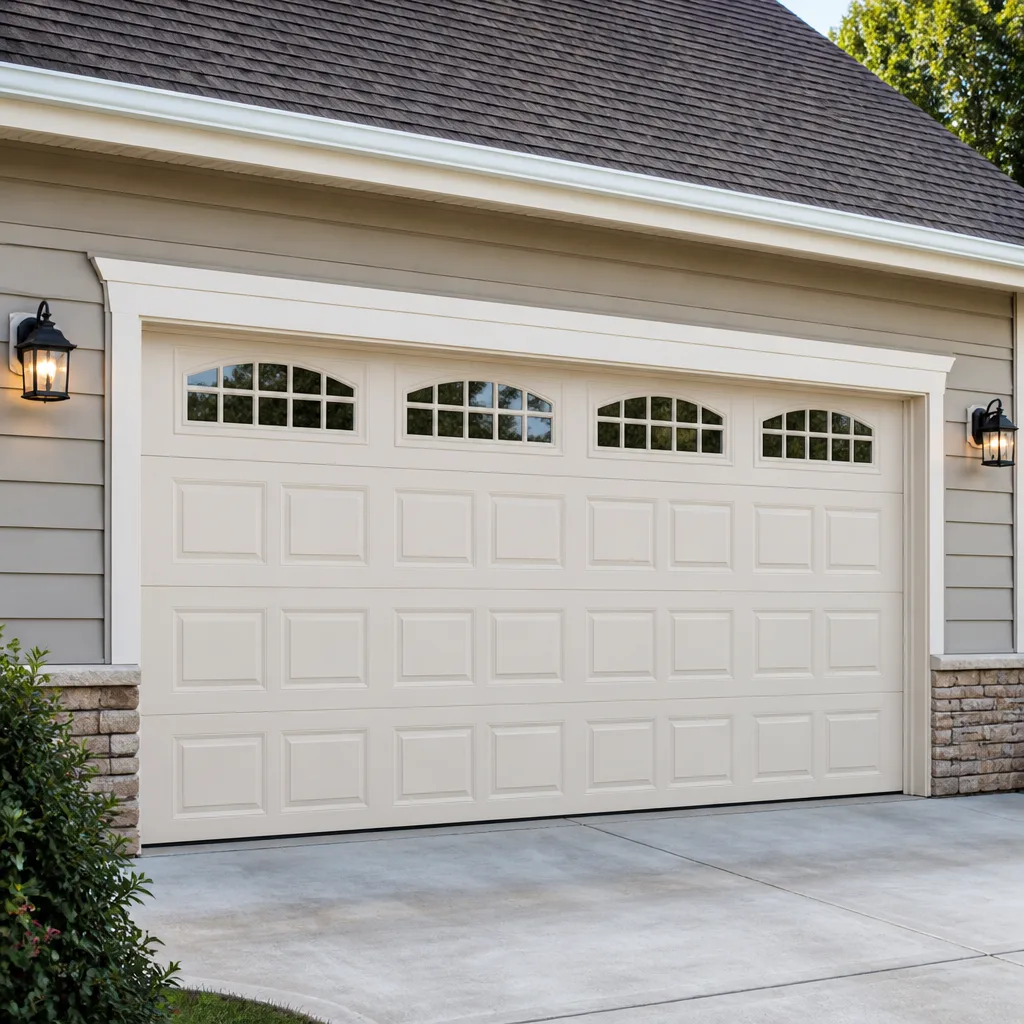 Raised-panel steel
 Carriage house
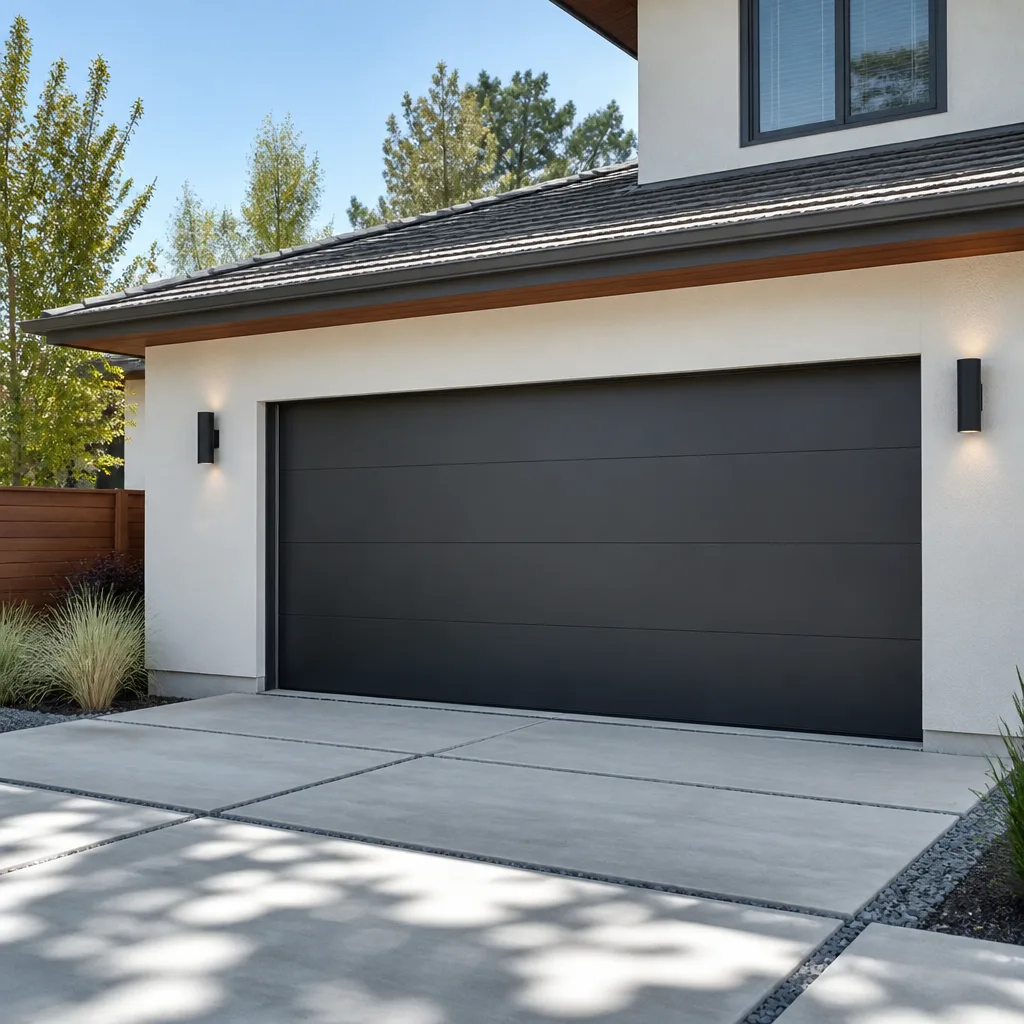 Modern flush
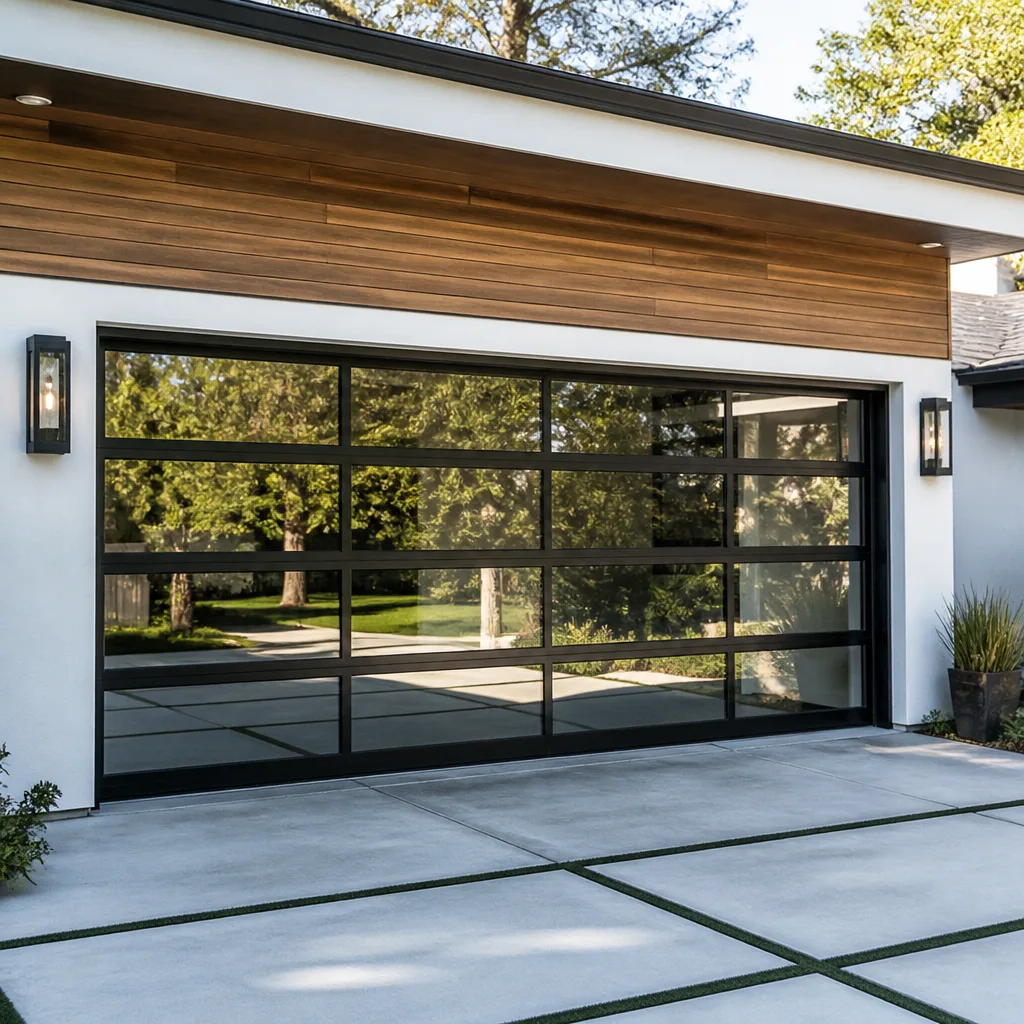 Full-view glass
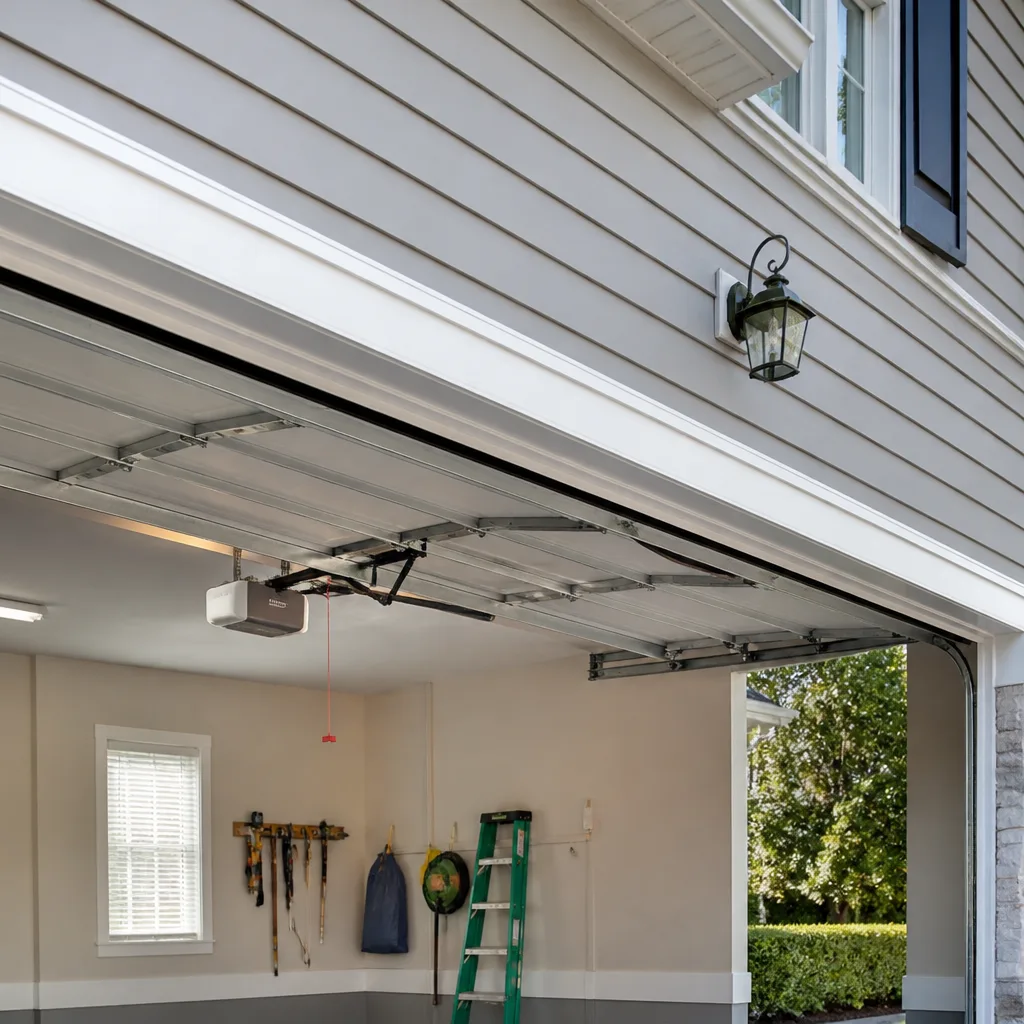 LiftMaster openers
 Chamberlain openers
Full 25-point door and opener safety check with every visit - springs, cables, rollers, tracks, and your LiftMaster or Chamberlain opener included
You get a price before we start. It does not change when the pro arrives.
Get your free estimateGarage Door Repair Maintenance Checklist for Aurora Homeowners
Most garage door maintenance advice floating around online was written for a climate with one season. Lubricate twice a year, tighten the bolts, done. That schedule was never built for a place that swings from single digits in January to humid nineties in July, and it misses the failure pattern we actually see across Aurora. The real story here isn’t a spring that snaps out of nowhere in February. It’s a slow chain of small damage that starts with winter slush creeping into the bottom seal and track hardware months earlier. This guide walks through that sequence task by task, tuned to Aurora’s four-season calendar, and tells you which jobs are yours and which belong to a technician.
Quick Answer
A garage door in Aurora needs a visual inspection and balance test once a month, lubrication of hinges, rollers and the opener rail every four to six months with a cold-rated lubricant, and a professional tune-up once a year before the first hard freeze. The single highest-value task most homeowners skip is cleaning and drying the bottom seal and track channels in late fall, before road salt and slush have a chance to sit against them all winter. Those are the four moving parts of a maintenance routine that actually matches how doors fail here.
Styles & brands we work with
- Raised-panel steel
- Carriage house
- Modern flush
- Full-view glass
- LiftMaster openers
- Chamberlain openers
Table of Contents
- Why Aurora Garage Doors Fail in a Predictable Order
- The Monthly Checklist: What to Check in Five Minutes
- Winter Prep: The November Tasks That Prevent February Breakdowns
- How to Lubricate for Cold, Not for Phoenix
- Testing Spring Tension Without Touching the Springs
- Which Skipped Tasks Void a Warranty and How to Log Your Maintenance
- Spring and Summer: The Warm-Weather Tasks People Forget
- The Fall Professional Audit: What a Technician Should Actually Check
Why Aurora Garage Doors Fail in a Predictable Order
In our experience, a garage door breakdown almost never starts on the day it breaks. It starts with a season of small accumulations that nobody noticed. Here’s the sequence we see play out across Aurora homes year after year.
It begins in January and February. Melting snow and road slush get tracked onto the driveway, the car pulls into the garage, and that wet grit settles into the bottom seal and the lower track channels. Water sits there. Salt sits there. The bottom rubber starts to harden and crack, and the steel track hardware at the floor picks up surface rust. Nothing seems broken yet, so nobody thinks about it.
By March, that accumulated damage shows up somewhere unexpected: a spring gives out, or the door starts binding halfway up. The salt-hardened seal is dragging, the rusted lower rollers aren’t turning freely, and the torsion spring has been quietly working harder to compensate all winter. Add the freeze-thaw cycles Aurora gets through late winter and early spring, and the door goes through dozens of expansion and contraction cycles without any adjustment. The spring takes the load. Eventually it fails.
The lesson is straightforward. If you break the chain early, the breakdown never arrives. A twenty-minute cleaning routine in late fall replaces a stress call in March. Every task in this checklist exists to interrupt that specific chain before it reaches the spring.
This is the pattern that matters most in Aurora, and it’s why a generic seasonal template doesn’t work here. If you’re already past the prevention stage and something has failed, our garage door repair team can get you sorted quickly. But if you still have time, start here.
The Monthly Checklist: What to Check in Five Minutes
A monthly five-minute check is the cheapest insurance a garage door has. None of these tasks require tools beyond your eyes and hands, and none of them put you near the springs or cables. Do them on the same day each month so it becomes habit, not a scramble.
- Open and close the door once and listen. You’re listening for a grinding, scraping or popping sound. A smooth, even hum is healthy. Anything that changes pitch or rhythm is worth noting.
- Look at the bottom seal. Run your hand along it and check for cracks, tears, or a section that’s pulled away from the door. In Aurora, this seal takes the worst beating of any part on the door, and a torn seal also lets rain and small pests under the door.
- Check the tracks by eye. Look for dents, bends or debris. A track that’s been bumped by a car or a trash can will make the door bind, and that binding stresses the opener and springs.
- Clear the photo-eye sensors. Wipe both sensors at the bottom of the tracks with a dry cloth. Dust and spider webs are the top cause of a door that reverses for no clear reason.
- Test the safety reverse. Place a small object like a roll of paper towels in the door’s path and close it. The door should reverse on contact. If it doesn’t, stop using the opener and have it serviced.
- Look for loose bolts. The roller brackets and hinges vibrate loose over time. A quarter-turn with a wrench on any obviously loose bolt is fine. Don’t over-tighten.
That’s the whole monthly routine. It takes longer to read than to do. The point is to catch small changes before they compound into the winter failure sequence described above, and to know when something needs a trained eye.
Winter Prep: The November Tasks That Prevent February Breakdowns
This is the section most checklists leave out, and it’s the one that matters most in Aurora. The four minutes you spend in November doing this specific set of tasks is the highest-value maintenance work of the entire year. Here’s what to do, ideally before the first hard freeze.
- Clean the bottom seal and lower track channels. Use a bucket of warm water with a little dish soap and an old toothbrush. Get into the corners where the rubber meets the aluminum threshold. Rinse and, most importantly, dry thoroughly with a rag. Any water left sitting there will freeze and split the rubber.
- Wipe the lower tracks and bottom roller brackets with a dry cloth. You’re removing the grit and salt film that accumulated over the summer. Don’t use a wet lubricant here; it attracts dust and dirt. A dry silicone spray on the metal track surface after cleaning is the right approach.
- Check the weatherstripping around the door frame. The side and top seals keep out drafts and moisture. If they’re brittle or compressed, they need replacing before the freeze.
- Confirm the opener’s force setting. In cold weather, doors take slightly more force to move because the lubricant thickens and the metal contracts. If the opener has been set at the edge of its adjustment, it’ll stall in January. A technician can verify this during a fall tune-up, and it’s not something to adjust blindly.
- Test the balance of the door by hand. Disconnect the opener, lift the door halfway, and let go. A balanced door stays roughly where you left it. A door that drops is showing you that the springs are tired. That’s a spring replacement signal, not a DIY fix.
If a door is already showing the balance problem in November, deal with it now. Replacing a tired spring in calm October weather is a scheduled job. Waiting for it to snap in a February cold snap turns it into an emergency. And Aurora winters are cold enough that you don’t want a door stuck open with a car trapped inside while the house loses heat through an open bay.
How to Lubricate for Cold, Not for Phoenix
The single most common lubrication mistake we see in Aurora homes is using the wrong product for the cold. Most generic “garage door lubricant” is designed for mild climates and turns thick and gummy below freezing. That’s the opposite of what a door needs. A thick lubricant on a cold February morning makes the rollers drag, the opener strain, and the whole system work harder.
Here’s the lubricant reality in Aurora terms. Below 0°F, you want formulas that stay viscous or that are dry-on-application. In practice, that means:
- Lithium grease or silicone spray on the rollers, hinges and the opener rail: a light silicone spray is the safe default for rollers and hinges because it doesn’t attract grit and stays slick in cold.
- White lithium grease on the opener screw or chain: designed for that specific mechanism, and it holds up better in cold than general-purpose grease.
- Never use WD-40 as a lubricant. It’s a water displacer and penetrant, not a long-term lubricant. It thins out and attracts dust. Using it on rollers or the track is the fast path to a noisy door and premature roller wear.
- Never grease the tracks. The tracks roll on rollers; grease on the track collects dirt and slows the rollers. Keep the track surface clean and dry.
Lubrication happens every four to six months, timed for this climate to land in late fall and again in early spring. Fall is the important one. Every roller, hinge pivot and the opener’s moving parts should get a light application. Wipe off excess. A door that’s been lubricated properly in November runs noticeably quieter and easier through the coldest weeks of the year, and the spring is doing less work.
If your door has a chain-drive opener from a major brand like LiftMaster or Chamberlain, the chain itself usually wants a light spray specifically made for chains, and the rail wants the same careful treatment. Oiling a chain with too heavy a product in cold weather builds up grime that the motor then has to fight through. This is the kind of brand-specific detail a technician trained on your system will know to check.
Testing Spring Tension Without Touching the Springs
Here is the most important safety statement in this entire guide. Garage door springs and cables are stored-energy components under hundreds of pounds of tension. They can cause serious injury or death if a homeowner tries to adjust, remove or replace them. Do not touch the springs, the cables, the torsion bar or the drums. That work belongs to a trained technician with the right tools and the right knowledge. There are no exceptions and no “safe way to try it yourself.”
What you can safely do is observe the door’s behavior and use that information to decide whether to call for service. That’s the homeowner’s role, and it’s valuable. Here’s how to test spring health without touching anything under tension.
- Do the balance test. Close the door, pull the emergency release cord to disengage the opener, then lift the door by hand to about halfway. Let go. A door with healthy springs will stay roughly where you released it. A door that sinks back down or drops has tired springs.
- Watch the door’s motion. Close it normally and watch for one side moving faster than the other, a jerky motion, or a halt and restart. Any of those suggest the springs or cables aren’t evenly loaded, which means it’s a technician’s job.
- Look at the springs by eye from a distance. A torsion spring with visible gaps or a stretched, sagging look is showing you it’s near the end of its life. Extension springs with visible separation at the coil are the same story. Photograph what you see for your maintenance log.
- Check the safety cables running through your extension springs. These are the backup that keeps a broken extension spring from flying. If they’re missing or loose, that’s a call to a technician to add them.
- Test the door’s weight by feel during the balance test. A door that feels much heavier than usual to lift by hand, after the opener has been disengaged, is telling you the springs are holding less of the weight than they should.
Any of these findings is your cue to schedule a professional evaluation rather than ignore the door until it fails. If you want a sense of what that evaluation and repair will cost before you call, our Aurora page and the repair team can help you understand typical pricing, and the free estimate will give you the exact number.
Which Skipped Tasks Void a Warranty and How to Log Your Maintenance
Manufacturer warranties on garage doors and openers routinely require documented maintenance. Skipping it can leave a homeowner with no coverage when a component fails early. The three areas where skipped maintenance most often comes back to bite you in Aurora are lubrication, safety-reverse testing and seal cleaning. Here’s what the typical manufacturer expectations look like and how to protect yourself.
- Lubrication logs. Most major brands, including Craftsman and Raynor systems still common in Aurora homes, expect the homeowner to keep up with the lubrication schedule. A dated log with a note of what you applied and when protects you if a roller or opener gear fails prematurely.
- Safety-reverse test records. If the safety reverse fails and causes damage, a manufacturer can ask whether the homeowner ever verified it. Keep a dated note of every time you tested it and the result. The monthly check above is your best evidence.
- Seal and weatherstripping condition. Water intrusion from a failed bottom seal can lead to premature corrosion and warranty disputes. Photograph the seal each fall so you have a record of its condition going into winter.
A simple maintenance log in a notebook or phone note is enough. For each entry, record the date, the task, and anything you observed, such as “lubricated hinges and rollers,” “safety reverse tested, passed,” or “bottom seal showing cracks at the right corner.” If a professional tune-up is done, keep the written record too. When a warranty claim comes up, you have a paper trail. Without one, you have a conversation you may lose.
Spring and Summer: The Warm-Weather Tasks People Forget
The warm half of the year gets a reputation as the easy season for garage doors. In Aurora, summer brings its own set of problems: humidity, heat expansion and the afternoon thunderstorms that can drive water against the door. A few targeted tasks keep those from becoming fall repair bills.
The humidity of a Midwest summer is the main culprit behind rusty hinges and stiff rollers. This is the season when a light silicone or lithium application on the hinges and rollers pays for itself. Wipe the pivots down first to clear any dust, then apply lightly. Don’t overdo it. Excess attracts grit the same way it does in the track.
Heat also expands the door panels and the track metal slightly. If your door starts to bind at the top of its travel only on hot days, that’s often thermal expansion revealing a track alignment issue that was invisible in cooler weather. Note it and have it adjusted professionally. A track that’s out of alignment doesn’t usually fix itself, and it will get worse over time as the door’s binding wears the rollers unevenly.
Summer storms deserve a quick inspection after any significant wind event. Look for a door that has shifted, a bent track, or a bottom seal that’s been driven loose. In Aurora, the summer thunderstorm season is a common point where the first real door damage shows up in a home that otherwise had no issues. If a storm has caused a problem, calling quickly usually means a smaller repair than waiting for it to compound. Our team handles garage door opener repair as well as door work, and can check the opener’s alignment after any kind of door impact.
The Fall Professional Audit: What a Technician Should Actually Check
The monthly and seasonal checks above are exactly what a homeowner should do. The once-a-year professional tune-up is the other half of the checklist, and it covers the tasks that aren’t in the homeowner’s lane. Here’s what that audit should include, so you know what you’re paying a specialist to do before the first freeze arrives.
A proper fall tune-up is not just a quick oil and a look. It’s a full inspection of the door as a system, with the technician in the areas the homeowner should never reach. When we send a technician for a tune-up, the audit covers:
- Spring tension and cable condition. The technician tests tension correctly and inspects cables, drums and bottom brackets for wear or misalignment. This is the safety-critical inspection that’s off-limits to homeowners.
- Track alignment and roller condition. Any bent track is adjusted and any worn or frozen roller is replaced.
- Opener force and travel settings. The technician checks that the opener is set for the coming cold, not tuned for summer.
- Panel and hardware torque. Bolts, hinges and brackets are tightened to spec so they don’t rattle loose over the winter.
- Seal and threshold condition. The bottom seal, side weatherstripping and threshold are inspected for any gaps that will let the freeze-thaw cycle get a start.
- Safety-reverse and photo-eye verification. Both safety systems are tested and confirmed working.
We specialize in LiftMaster, Chamberlain, Craftsman and Raynor systems, plus four other major brands, so the technician arrives already knowing what to look for in your specific opener. That’s the point of the fall audit. It’s not a generic inspection; it’s a brand-informed inspection tuned to how this door and this opener in this Aurora climate fail. If the technician finds a worn part during the audit, they can price the repair on the spot, and the estimate sets the cost before any work begins.
The ideal time to book the fall audit is October, before the first hard freeze. Once November slush arrives, the door has already started taking the wear, and any problem tends to accelerate rather than sit still.
Common Mistakes to Avoid
- Using WD-40 as a lubricant. It thins out and attracts dust, and in Aurora winters that means stiffer rollers and more load on the opener. Use a proper silicone or lithium product.
- Greasing the tracks. Lubricant on a track collects grit and slows the rollers. Keep the tracks clean and dry; lubricate the hinges and rollers only.
- Skipping the November seal cleaning. The four-minute job of cleaning and drying the bottom seal is the single highest-value maintenance step here, and it’s the one most homeowners never do.
- Adjusting the springs yourself. This is not a maintenance task. Springs and cables are under extreme tension and can cause serious injury or death. Keep your hands off them and keep the technician’s number handy.
- Waiting for the door to fail before calling. A tired spring in October is a scheduled replacement; a snapped spring in February is an emergency with a car trapped inside.
- Ignoring small noises. A grinding or popping sound is early warning. Fixing a worn roller for a moderate price is much better than replacing a whole opener later.
- Not keeping a maintenance log. Without one, a warranty claim on a failed component becomes a polite disagreement. The log is your protection.
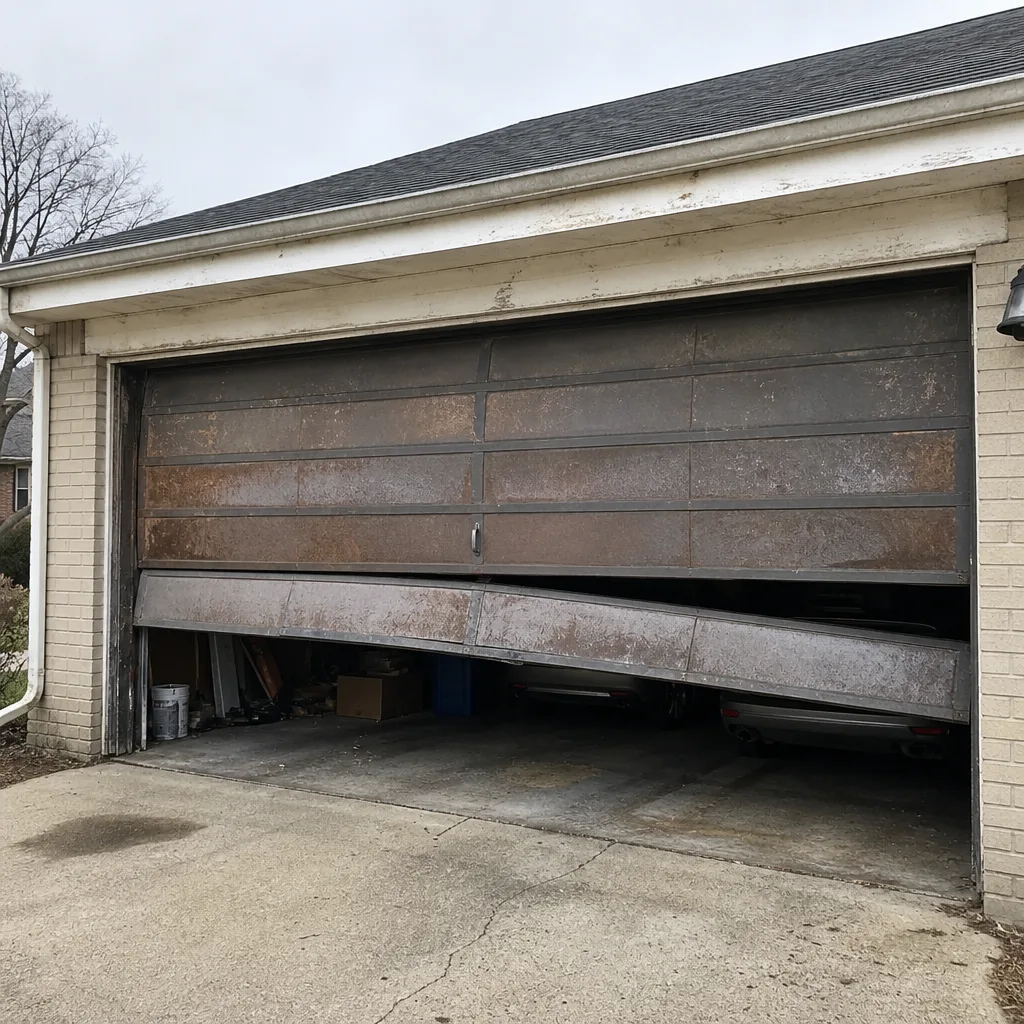
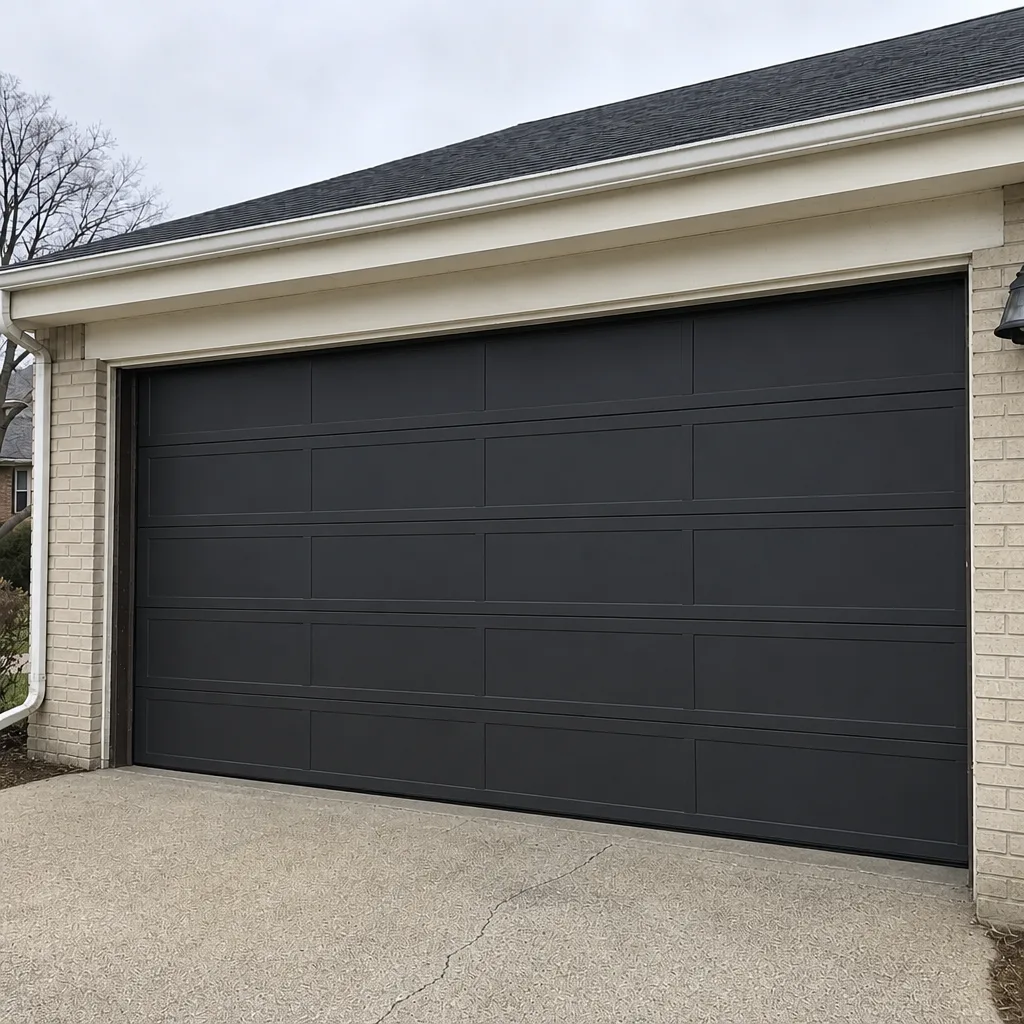
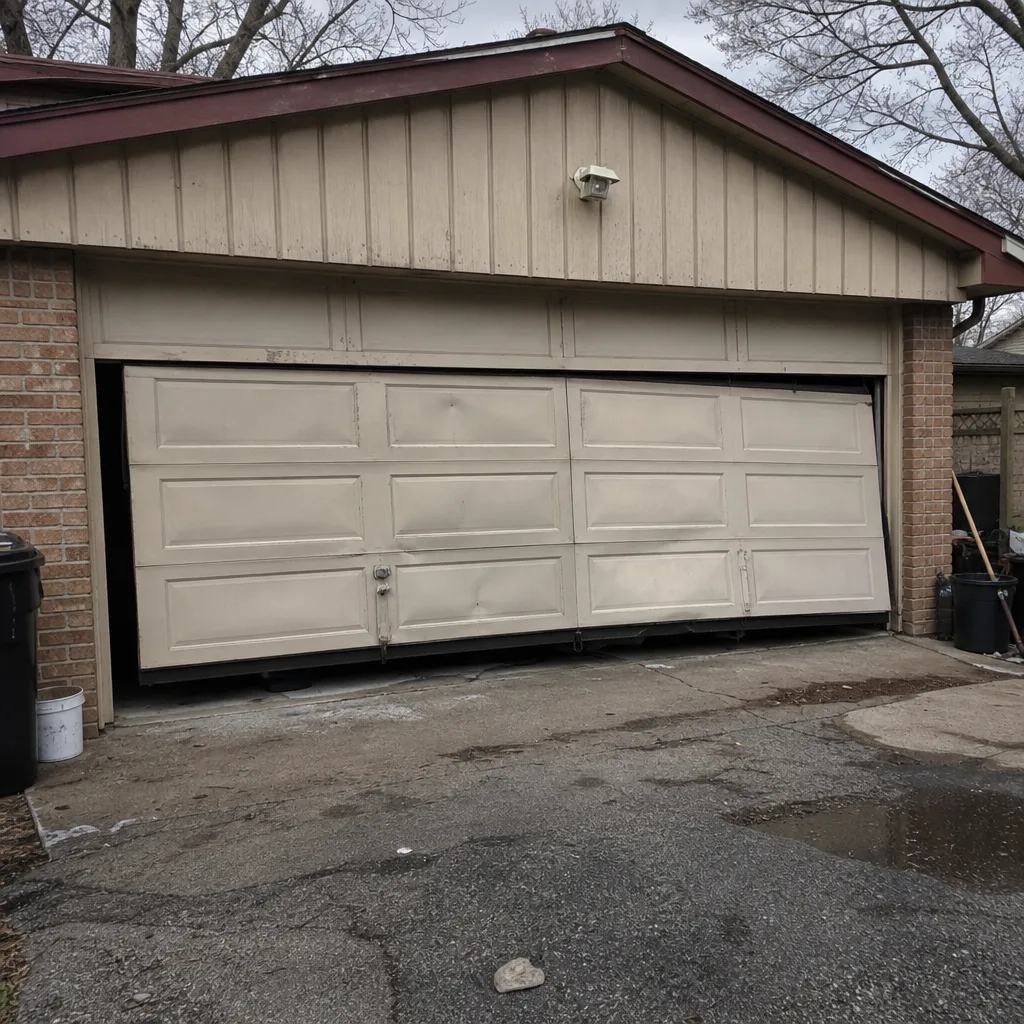
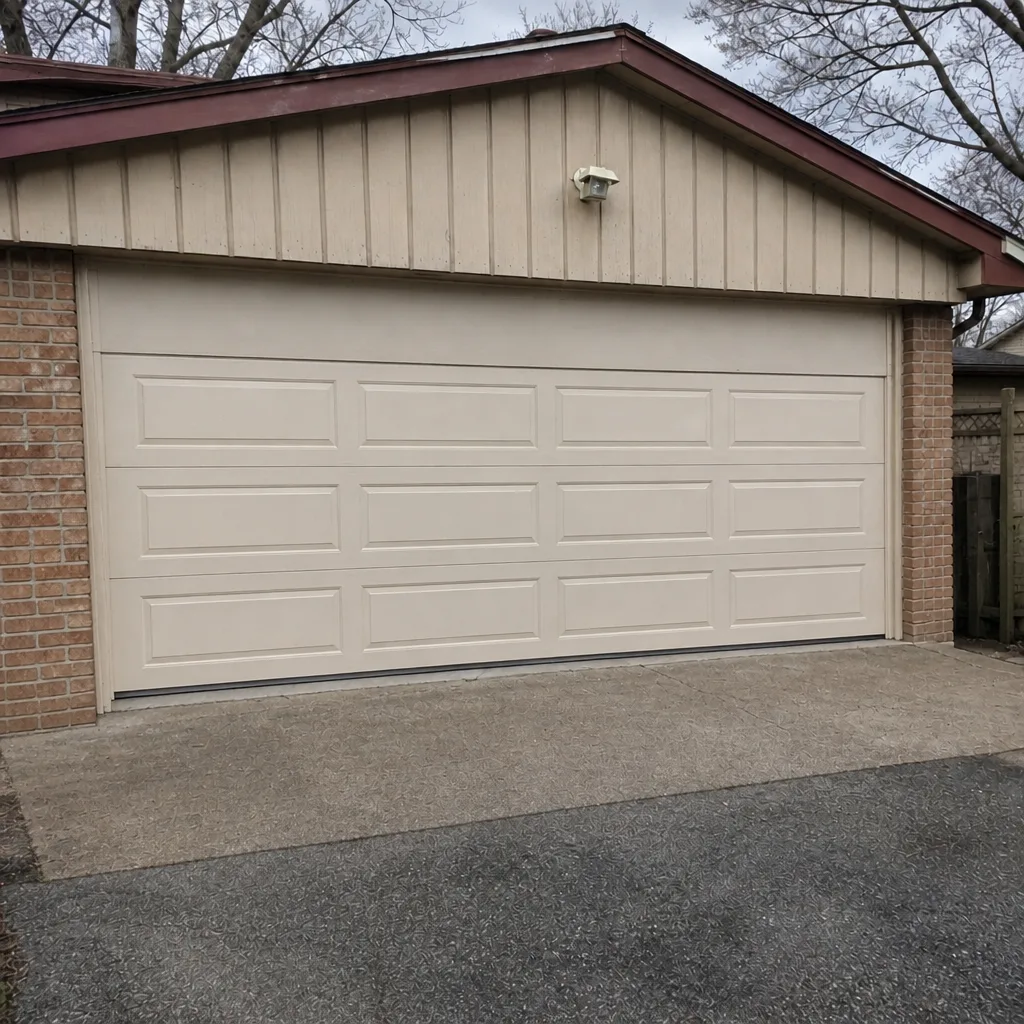
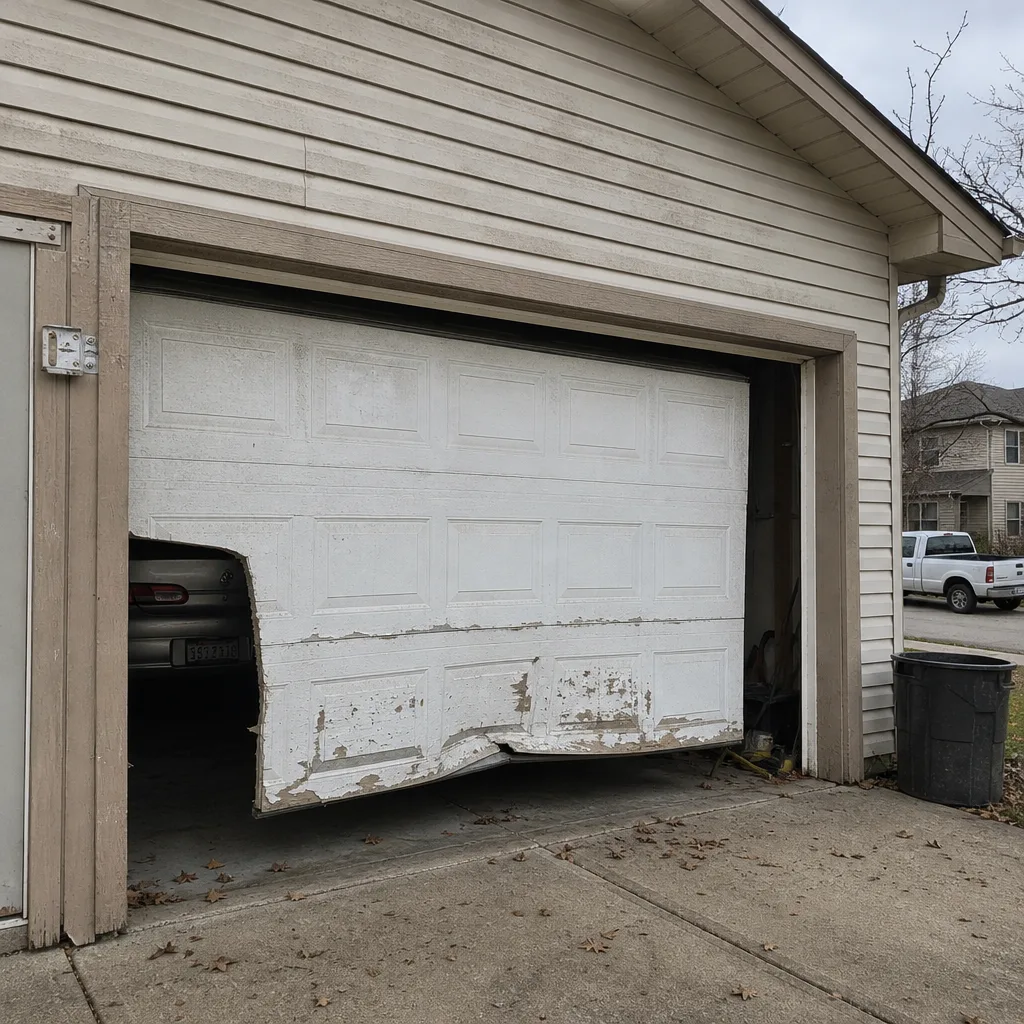
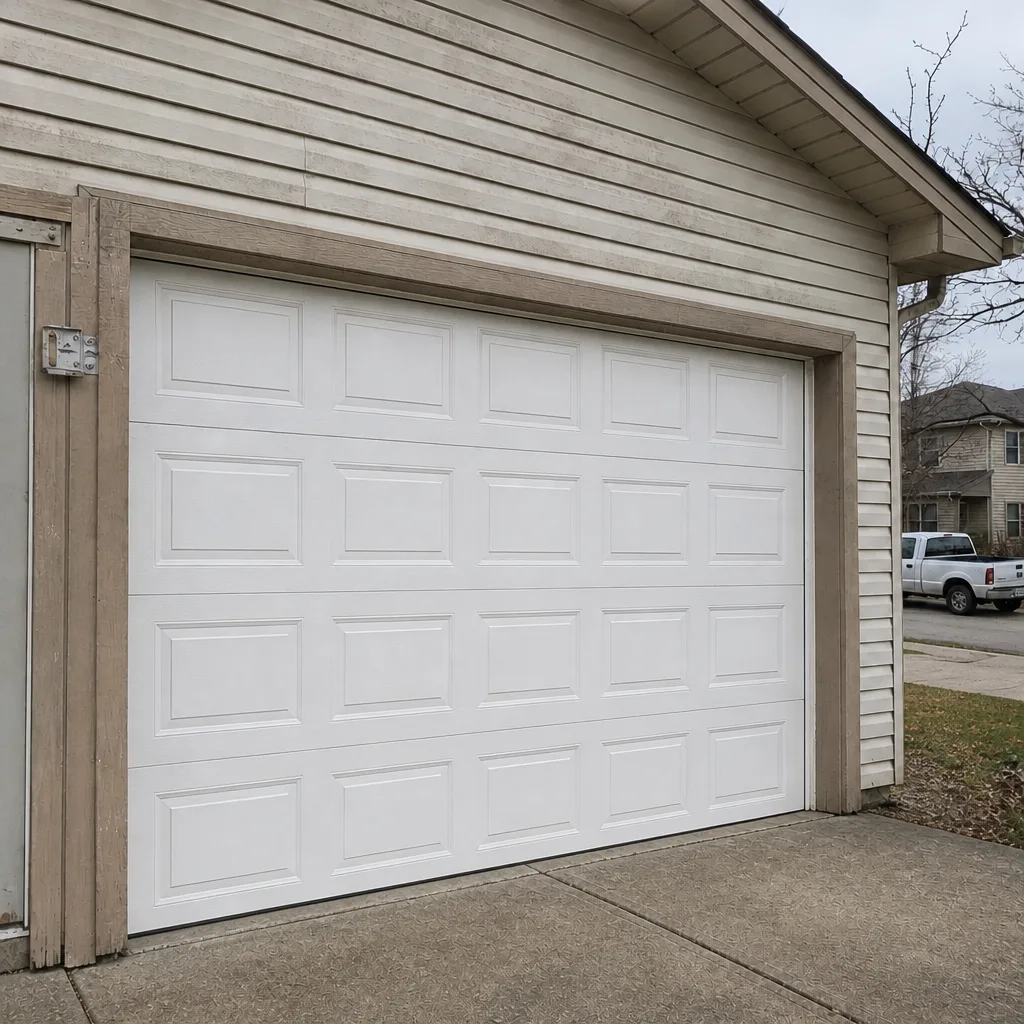
See the difference
 Before
 After
 Before
 After
 Before
 After
When to Call a Professional
Most of the checklist in this guide is yours to do. A few situations are not, and trying to handle them yourself can cause serious injury. Call a professional when the balance test shows a door that drops or sinks; when you see a visible gap or stretch in a spring; when the door binds, jerks or stops partway through its travel; when a cable looks slack, frayed or off its drum; when a car has hit the door and bent a track; or when the opener reverses unpredictably or won’t reverse on contact. Springs and cables are under extreme tension and belong to a trained technician. Flagship Garage Door Repair offers free estimates in Aurora – call (866) 983-4312. We answer 24/7. Fast dispatch from 7am to 7pm, Sunday through Friday.
Frequently Asked Questions
Every four to six months, with the fall application being the most important. In our experience, the proper Aurora rhythm is a full lubrication in late October or early November before the first hard freeze, and a second application in early spring. Winter lubrication matters most because a stiff or gummy product makes the door harder to operate in the cold, which puts more load on the opener and springs. Use a cold-rated silicone spray or white lithium grease, and keep it off the tracks. Call (866) 983-4312 for a free estimate if the door has already started to run rough.
Cleaning and drying the bottom seal and the lower track channels in late fall. This is the specific task most generic checklists miss and the one Aurora’s winter slush makes critical. Water and road salt sitting against the rubber seal through freeze-thaw cycles cracks it, corrodes the lower hardware and adds drag that the spring works against all winter. Done in November, it’s a four-minute job. Skipped, it’s the first link in the chain that ends in a broken spring in March. Call (866) 983-4312 for a free estimate if the seal is already damaged and needs replacing.
No. Garage door springs and cables are under hundreds of pounds of stored tension and can cause serious injury or death if handled by an untrained person. Do not touch the springs, cables, torsion bar or drums. Your role is to observe: test the door’s balance by hand, watch for uneven motion and look for visible spring wear from a safe distance. Photograph what you see and call a technician for anything that looks off. Call (866) 983-4312 and we’ll schedule a safe evaluation.
Ongoing lubrication, safety-reverse testing and seal condition are the three areas manufacturers most often ask about. Keep a dated maintenance log for each. Document the date, what you did and what you observed. If a professional tune-up was done, keep the written record too. Without a log, a warranty claim on a failed roller, opener gear or door section can become a dispute over whether the homeowner kept up with the required maintenance. Call (866) 983-4312 for a free estimate on a tune-up that produces a proper written record.
Yes. Aurora’s freeze-thaw cycle and the road salt that gets tracked into garages each winter create a specific failure sequence. Slush sits in the bottom seal and lower tracks, damages the rubber and hardware, and adds resistance that the springs compensate for all winter. By March, the accumulated load often catches up with a spring or roller that would have lasted longer in a milder climate. Winter prep and the fall tune-up are the two practical ways to interrupt that pattern. Call (866) 983-4312 for a free estimate before something fails.
Pricing for a tune-up depends on the specific door and opener, so we set the price per job with a free written estimate before any work begins. You’ll know exactly what the tune-up covers and what it costs before we start, and the written estimate sets the final price. If the technician finds a worn part during the audit, they’ll price that repair too, and you decide whether to proceed. Call (866) 983-4312 for a free estimate, and we’ll schedule the audit before the first freeze.
The Bottom Line
Aurora garage door maintenance isn’t a generic seasonal routine, it’s a specific pattern of prevention tuned to how this climate wears doors out. The short version: monthly five-minute visual and safety checks, lubrication every four to six months with a cold-rated product, a serious winter prep in November, and a professional fall audit before the first freeze. Skip the winter prep and you’re setting up the March surprise. Do the winter prep and the free fall audit, and the spring does less work all year. If anything on the checklist shows real wear, a free estimate from a specialist is the next step, not a weekend of guessing. Call Flagship Garage Door Repair at (866) 983-4312 for a free estimate. We answer 24/7. Fast dispatch from 7am to 7pm, Sunday through Friday.
Written by the team at Flagship Garage Door Repair.