
Last updated November 15, 2026
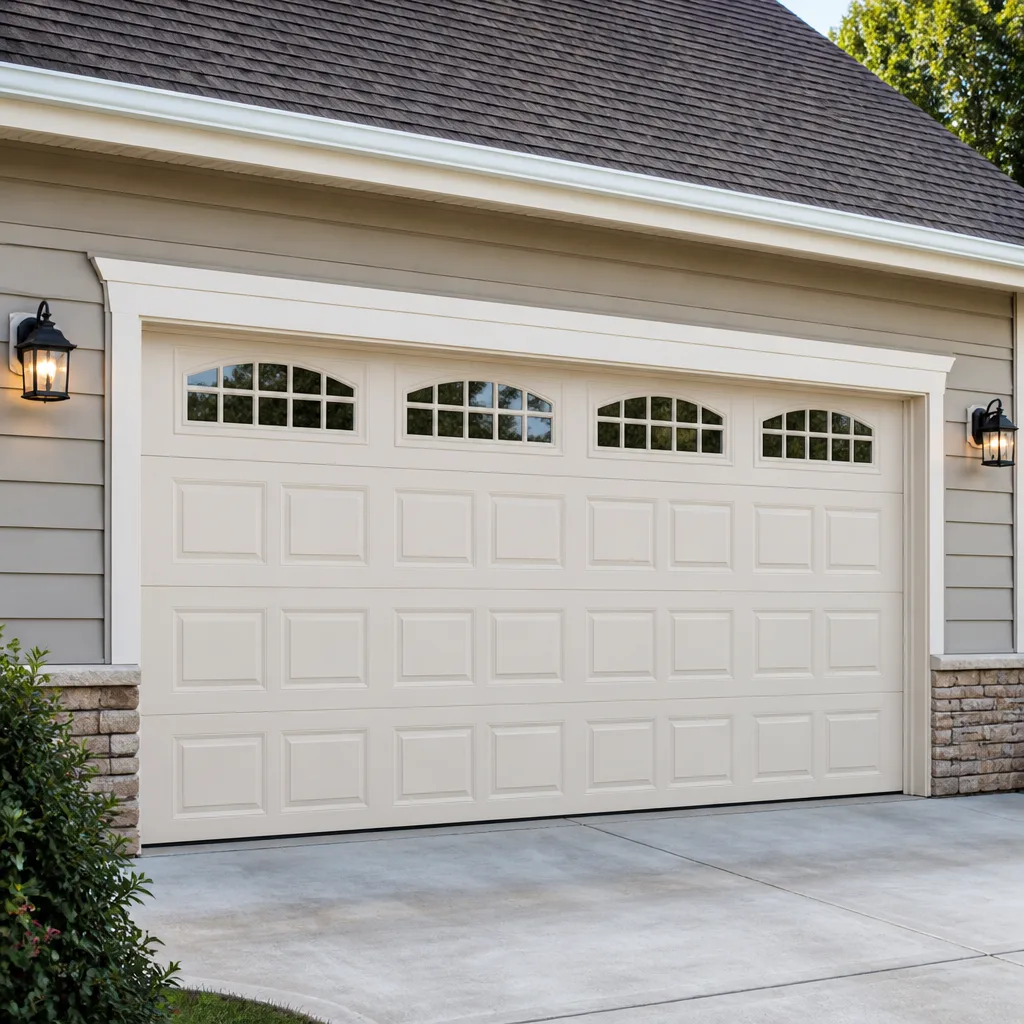 Raised-panel steel
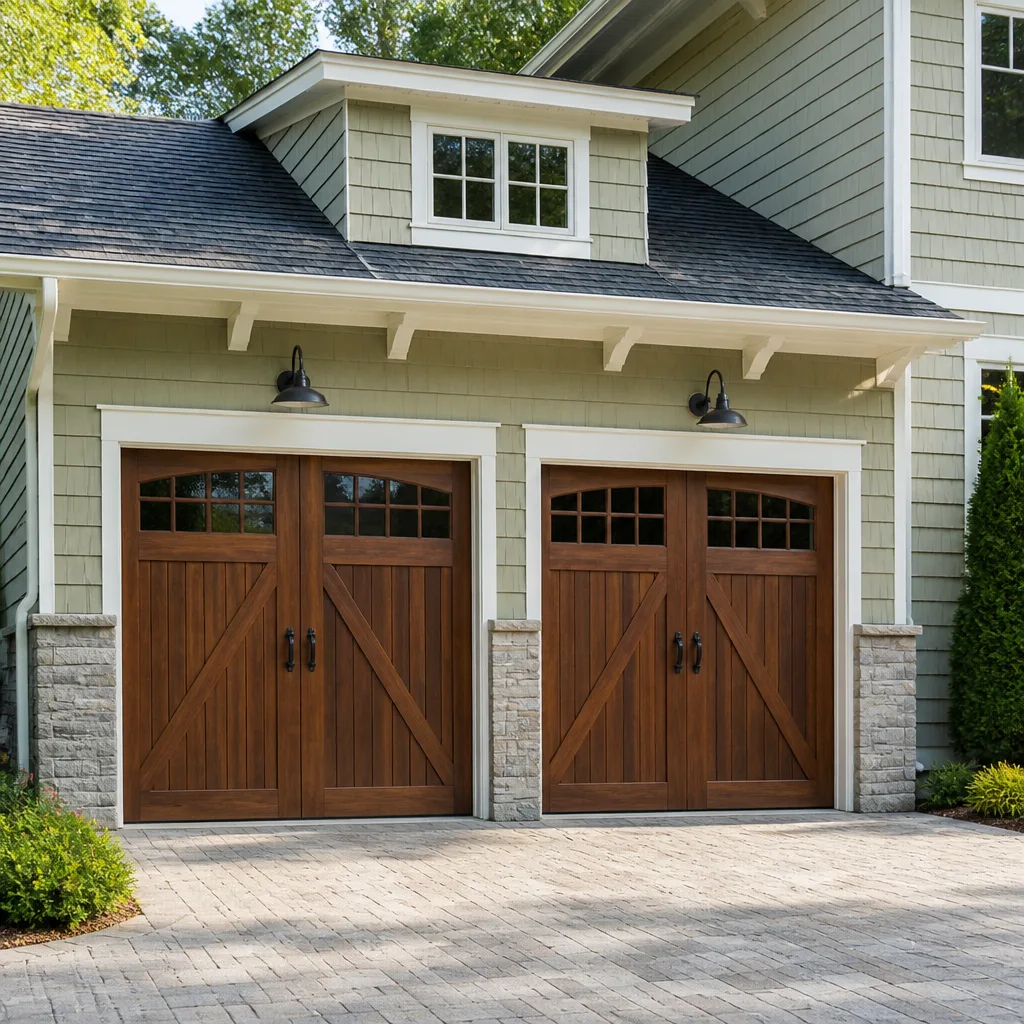 Carriage house
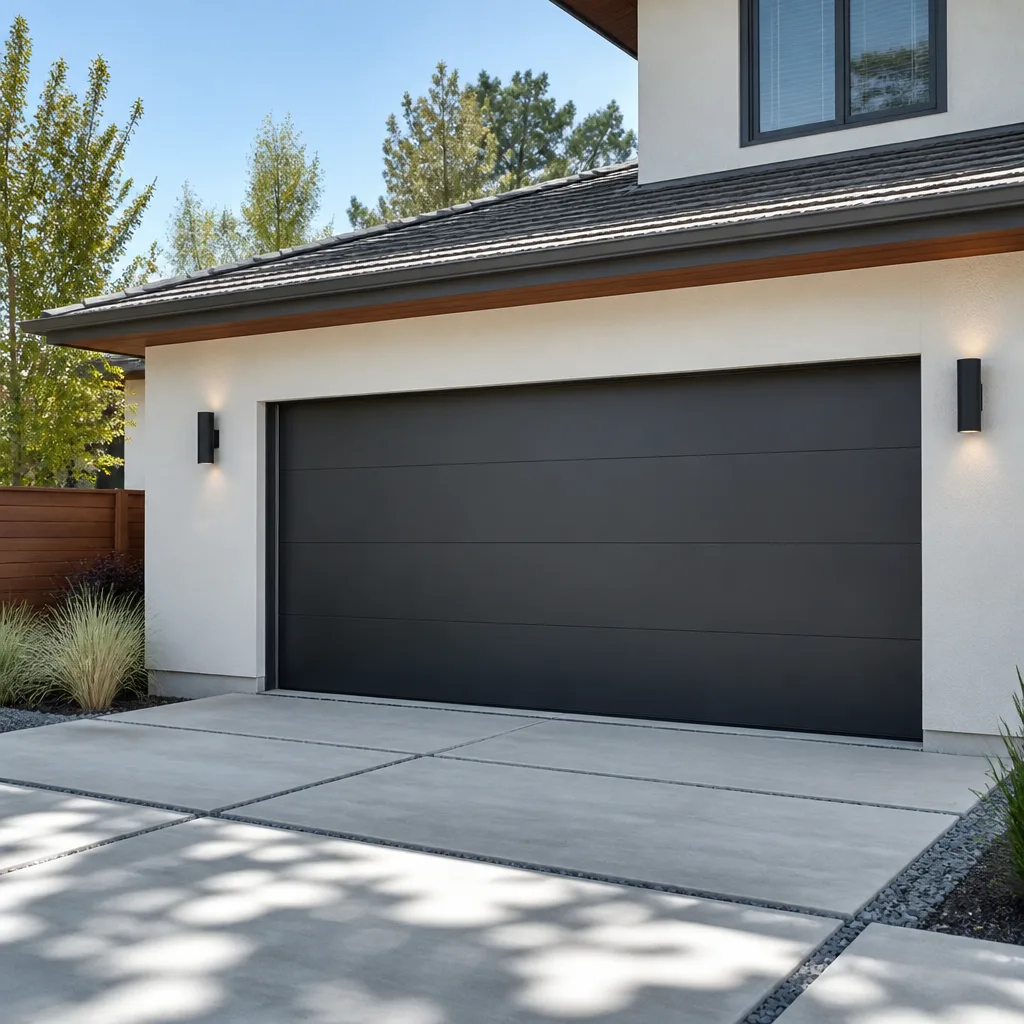 Modern flush
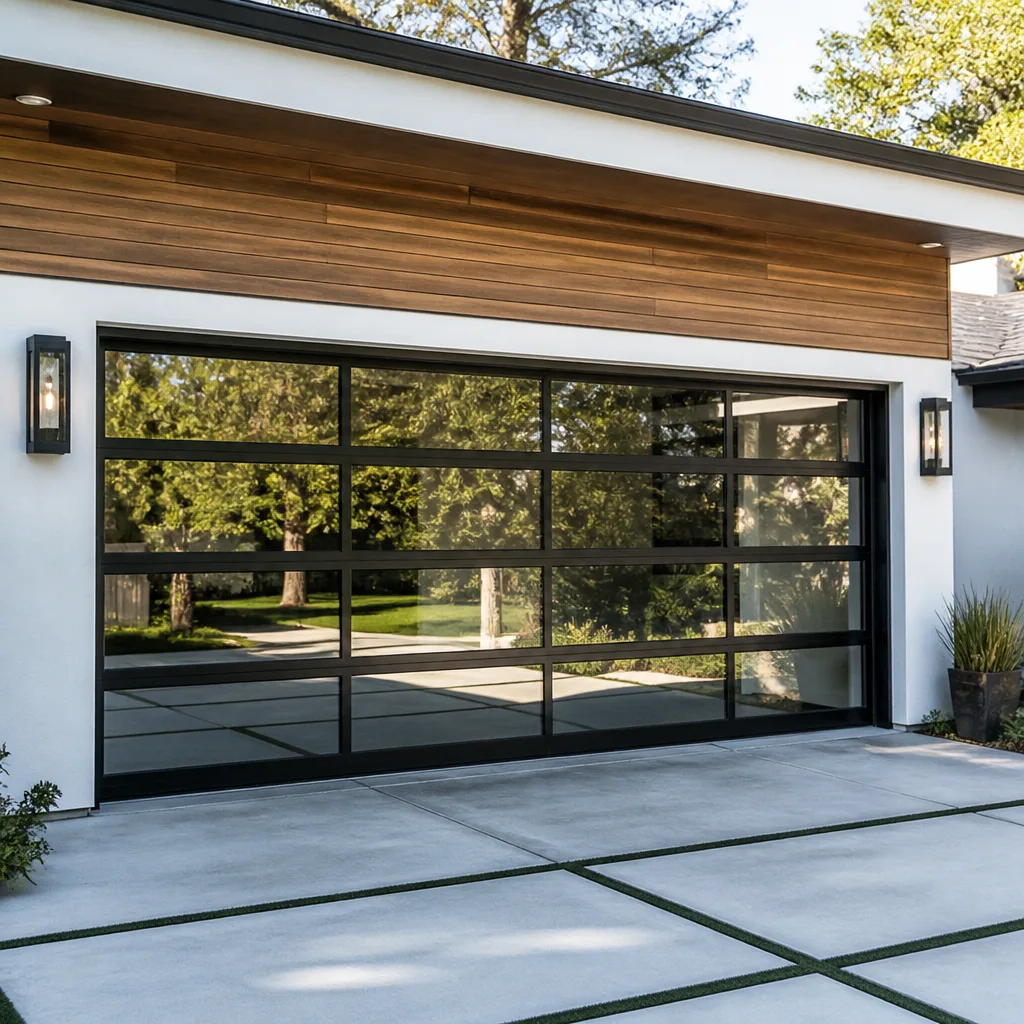 Full-view glass
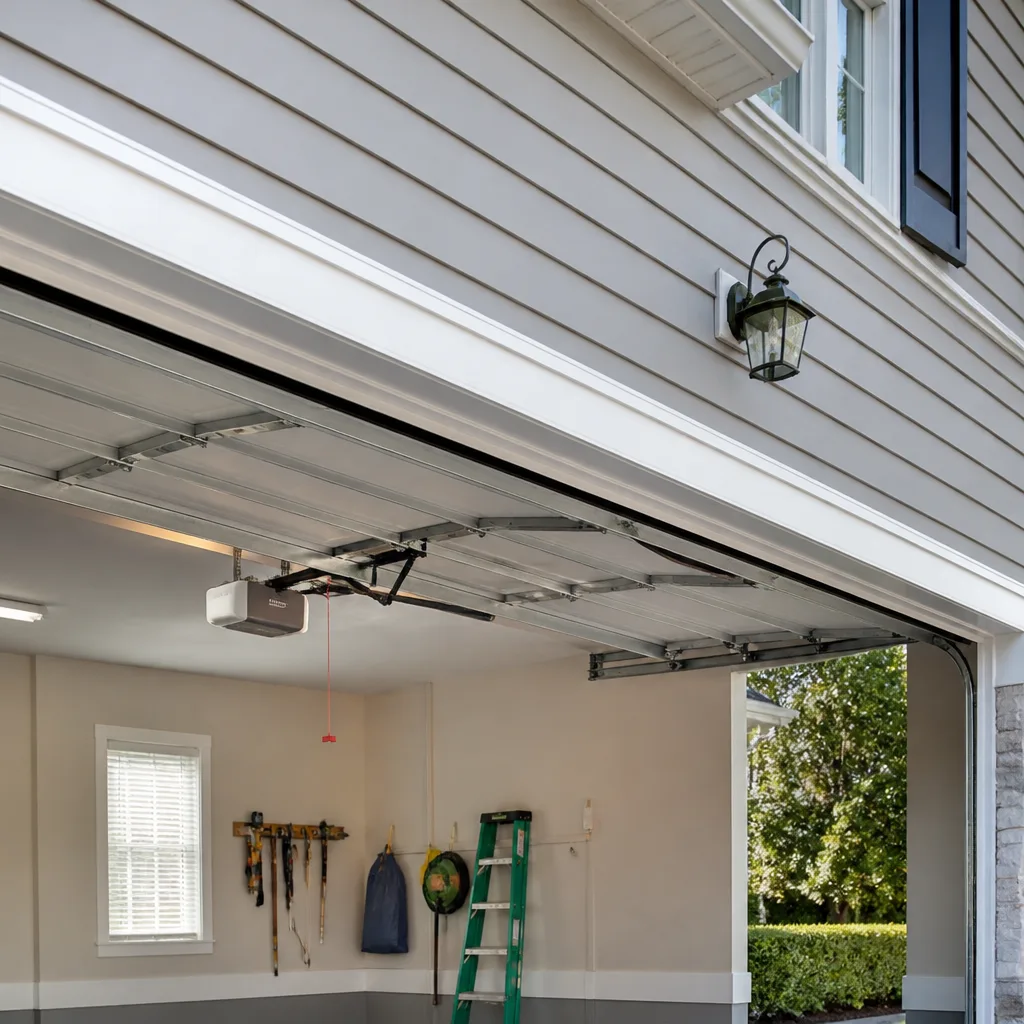 LiftMaster openers
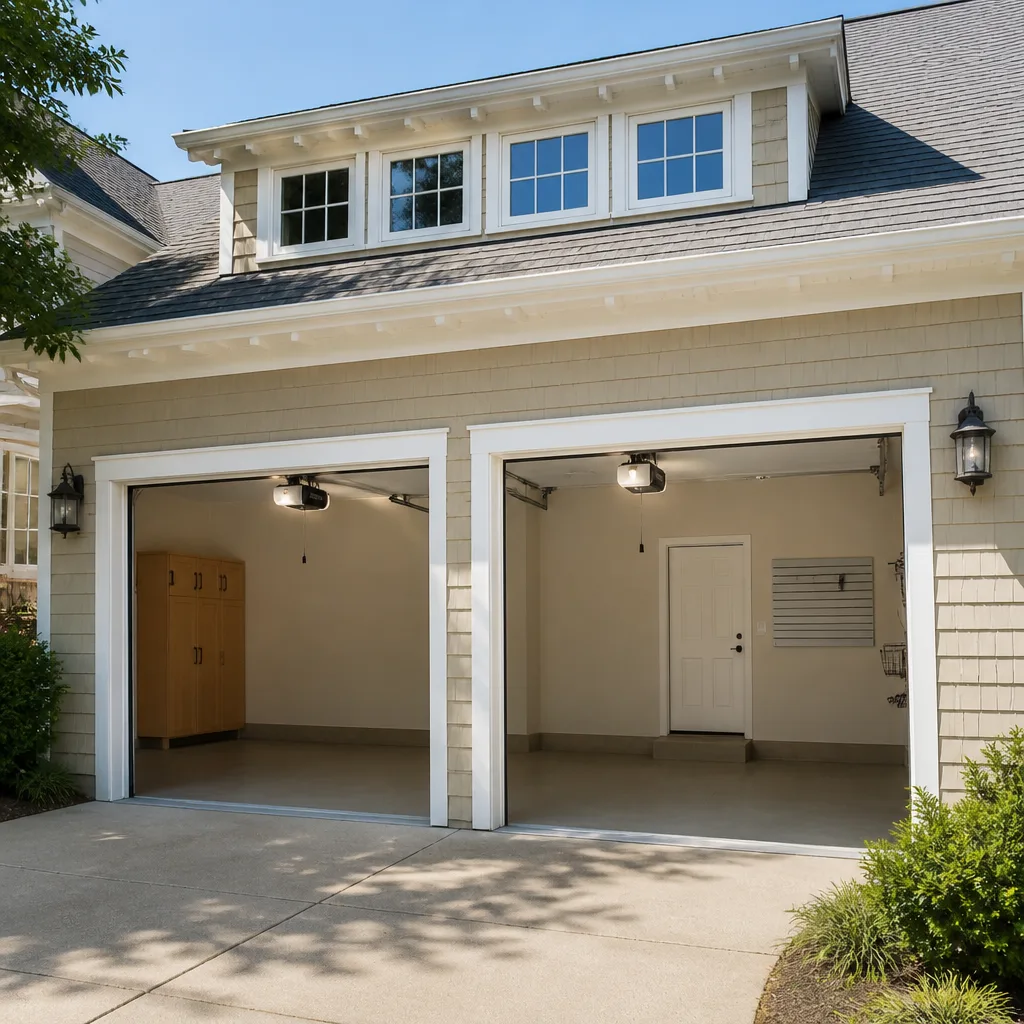 Chamberlain openers
Full 25-point door and opener safety check with every visit - springs, cables, rollers, tracks, and your LiftMaster or Chamberlain opener included
You get a price before we start. It does not change when the pro arrives.
Get your free estimateDIY vs Professional Garage Door: The Aurora Homeowner’s Decision Guide
Most homeowners who get hurt working on a garage door are not careless people. They are handy people who fixed a faucet last month and figured a spring couldn’t be much different. That assumption is where the trouble starts. The gap between DIY and professional garage door work in Aurora isn’t about skill level. It’s about which tasks carry physics that doesn’t care how capable you are. A torsion spring holds enough stored torque to throw a winding bar across a room and take a hand with it, and it gives no warning before it releases. This guide draws the DIY line precisely: what’s safe to handle yourself, what isn’t, and how to prep for a technician if you call one.
Quick Answer
Weatherstripping, sensor alignment, lubrication, and minor cosmetic panel work are safe for most Aurora homeowners to handle themselves. Anything involving torsion springs, extension springs, cables, bottom brackets, or the door’s structural framing requires trained, insured professionals with the right tooling. Openers sit in the middle: settings and photo-eye fixes are DIY-friendly, but replacement and gear work typically are not. When in doubt, the safe answer is always professional repair.
Styles & brands we work with
- Raised-panel steel
- Carriage house
- Modern flush
- Full-view glass
- LiftMaster openers
- Chamberlain openers
Table of Contents
- Why Garage Door Work Is Different From Other Home Repairs
- What Aurora Homeowners Can Safely Do Themselves
- What Requires a Professional, No Exceptions
- The Physics of Torsion and Extension Springs, in Plain Language
- Aurora DIY Cost Traps: Parts, Warranties, and Permits
- Evaluating Repair Kits and DIY Opener Replacement
- The Hybrid Approach: Prep Before Your Technician Arrives
- When to Call a Professional
- Frequently Asked Questions
Why Garage Door Work Is Different From Other Home Repairs
A garage door is the largest mechanical system in most Aurora homes. A standard two-car door weighs hundreds of pounds, moves on a track, rides on rollers, and balances on springs engineered to lift that weight with hand pressure. Every other home repair you’ve tackled was static. A leaky faucet stays put. A garage door is loaded energy waiting for a control command. That changes the safety math entirely.
Aurora’s climate adds another layer. Summer heat and humidity swell wood panels and can throw metal track slightly out of alignment. Winter cold makes springs less forgiving and every moving part stiffer. Doors that ran fine in October often announce themselves in January. Fires and tornadoes are rare, but hail, high wind, and thick snowpack are not, and the resulting damage stresses the same springs and tracks you’d be working on. The repeated expansion and contraction cycle that an Aurora door lives with means every component is closer to failure than the same part would be in a more stable climate.
That’s the reason this decision doesn’t come down to a simple “are you handy?” question. Some tasks on this system are safe for a careful homeowner with basic tools. Others aren’t safe for anyone without training on the specific equipment, and no amount of online tutorials changes that. We’ve seen it from both sides in our work as a dedicated garage door repair specialist: the tasks people get right, and the ones they don’t. That’s the line this guide is drawn along.
What Aurora Homeowners Can Safely Do Themselves
Some maintenance and small repairs are genuinely DIY-friendly and worth handling yourself. These tasks involve no stored spring energy, no live electrical work, and no load-bearing components. Here’s the safe list, in familiar order:
- Weatherstripping replacement. Bottom seals and side weatherstrips pull out and slide back in with a few simple tools. It’s the single best task for improving energy efficiency in Aurora garages during cold snaps.
- Photo-eye sensor alignment. If the door reverses on the way down or won’t close, the safety sensors at the base of the track are usually knocked out of alignment. Straighten them until the indicator lights turn solid.
- Lubrication. Rollers, hinges, and the torsion bar bearing plates take a light spray of garage-friendly lubricant once or twice a year. Never lubricate the tracks themselves.
- Remote and keypad programming. Pairing a new remote to a LiftMaster or Chamberlain opener is a matter of pressing the learn button and holding the new remote. That’s a five-minute job.
- Force and travel limit adjustments. Many openers have adjustable up and down limits and a force dial. Follow your opener manual exactly and only make small changes at a time.
- Minor panel dent work. Cosmetic denting on a single panel can sometimes be worked out with a suction cup, a warm day, and patience. Anything deeper is structural.
- Visual inspection. Walk the door from both sides once a month. Look for frayed cables, springs with gaps, bent track, and rollers that wobble. Early spotting is worth more than any repair.
None of these touch the dangerous parts of the door. That’s the design principle. A useful habit is a monthly two-minute check: run the door, listen for a new squeak or rumble, and glance at the springs, cables, and rollers before you walk back inside. Catch a problem in that check and you often save yourself a full breakdown later.
What Requires a Professional, No Exceptions
Four categories belong to the professional, every time, no matter how mechanically inclined you are. If a job on your door involves any of these, stop and call a tech. In our experience working on Aurora doors, these are the tasks where DIY attempts cause the most damage and injury.
- Torsion spring replacement or adjustment. A torsion spring stores torque, and to work on it safely you need Winding bars, a firm understanding of how to unload that torque in sequence, and a spotter. Releasing a winding bar under load can break a wrist or worse.
- Extension spring replacement. Same risk in a different form. Extension springs carry a fraction of torsion’s torque but still store a lot of energy, and a failed spring or snapped cable is a serious hazard.
- Track and cable work. The track under tension carries the door’s full weight. A track knocked loose while loaded can drop the door itself. Cables are under strain and can snap back with force.
- Panel replacement on a cracked or bent door. Swapping a structural panel means balancing the door, unloading the springs, and re-tensioning after. That’s well past DIY territory.
There’s a second issue beyond injury: your door is often the largest moving object in the house, and it’s the barrier between your home and your car, tools, and storage. A misadjusted torsion spring that fails six months after a DIY replacement is a very expensive mistake, and one that opener systems will often throw back on the installer rather than the manufacturer. Our technician team has up to 10 years of experience working on all four major opener brands and the door brands we service, and that experience pays for itself on exactly this kind of task.
The Physics of Torsion and Extension Springs, in Plain Language
Here’s the concept that separates garage door repair from almost every other home task you’ll face. Springs are not switches. They are stores of energy. And garage doors use two different kinds, each dangerous in its own way.
Torsion springs live on a horizontal shaft above the door, usually one on each side. They wind up tight when the door is down and unwind as the door rises. A standard torsion spring holds enough stored torque to lift a two-car door, and that energy stays there every second the door is closed. The spring doesn’t know or care that you’re holding a wrench. It releases on its own schedule, and releasing a torsion spring without the proper winding bars is where the serious injuries come from. That is not a skill problem. That is a torque problem.
Extension springs run along the horizontal overhead track on each side. They stretch when the door is down and pull the door up. They’re usually but not always paired with safety cables, and a spring that snaps without a cable installed can fly with enough force to break through drywall. That’s a failure mode with no analogue at the faucet.
The plain-English takeaway for a homeowner is simple: springs are the only home repair component where the very act of touching them can cause an injury that skill cannot prevent. A plumber with thirty years of experience still shouldn’t replace a torsion spring without the correct tooling and training. We strongly discourage DIY spring work of any kind. The savings from one spring job don’t begin to offset one broken wrist or one dropped door.
Aurora DIY Cost Traps: Parts, Warranties, and Permits
The DIY math rarely looks the way people expect. Three hidden costs usually erase the savings on any nontrivial job. Here’s how to spot them before you buy a single part.
Parts markup at big-box retailers
Big-box stores sell components at retail and often in bundled kits. A single torsion spring off the shelf may cost more than a specific spring ordered for your door weight, and the kit rarely comes with matching winding bars or the right safety cable. Garage door specialists price parts through trade channels, and we install the correct spring for the door we’re looking at, not the one-size-fits-most spring on the shelf. The mismatch is where DIY spring and opener projects go wrong.
Warranty voiding on opener systems
LiftMaster, Chamberlain, and Genie all attach their warranty to correct installation and to use of compatible parts. A DIY opener replacement that crosses a Chamberlain motor with a non-compatible LiftMaster remote or a mismatched safety sensor can cancel the warranty on the whole unit. That’s a real cost, especially when the unit is only two or three years into its life. When we work on an opener we confirm the make and model first, then use the right parts for it.
Permit implications of unlicensed structural work
Most cities require a permit for structural changes to a garage, so ask Aurora’s building department if you’re planning to alter the door’s opening, framing, or header. Swapping a spring or a panel doesn’t usually need one. Replacing a door with a differently sized model might. Doing any permitted work that fails inspection is the most expensive DIY trap of all: you redo the work properly, then you pay to redo it properly again.
If you’d rather skip the guesswork and get the exact cost for your door before committing to a DIY plan, call (866) 983-4312. Estimates are free and you’ll know the number before any work starts.
Evaluating Repair Kits and DIY Opener Replacement
Garage door repair kits are sold on convenience, not compatibility. The packaging rarely discloses two things: whether the parts match your opener’s load rating, and whether the kit includes every required tool. That’s why we recommend reading carefully before buying.
- Check the load rating. Springs are rated by door weight and by cycle count. A kit listing “fits most doors” almost never fits yours correctly. Installing an under-rated spring leads to fast failure and, in some cases, to a door that won’t stay open.
- Check the shaft and bearing size. Torsion kits depend on the exact shaft diameter your door has. A mismatch costs you a second trip to the store.
- Check what the kit doesn’t include. Most spring kits omit the winding bars as a safety disclaimer. That’s a huge red flag, not a small one.
- For opener replacement: compatibility with your door’s weight capacity, your remotes, your keypad, and any smart-home integration needs verification before you unbox. A Genie unit that fits one door may be the wrong capacity for another.
If you’re replacing an opener yourself, the checklist before you buy is simple: measure your door’s height and width, weigh it or ask us for a rating, then cross-reference that against the opener’s rated lifting capacity. If you can’t find that number on the box, that’s a warning. If you want us to take this off your list entirely, our garage door opener repair team handles replacement, gear repair, and recalibration on all four major opener brands, and installation on all door brands we service.
The Hybrid Approach: Prep Before Your Technician Arrives
You can save real money on a professional repair without touching anything dangerous by prepping for the visit. The technician’s job goes faster when the workspace is clear and the diagnosis is straightforward. Here’s the sequence we suggest for any Aurora homeowner preparing for a technician.
- Clear the garage floor in front of the door and under the track. A tidy bay saves time on the diagnosis and lets the tech get straight to work.
- Write down the symptoms. Note whether the door sticks at a certain height, whether it reverses, whether the opener light flashes, and whether the noise is new. A short note compresses the diagnosis.
- Identify the make and model of the door and opener. Check the wall-mounted opener unit for its label and look for a sticker or manufacturer name on the door panels. This is where brand-matched service pays off, and it lets us confirm parts before arriving.
- Disconnect the opener if you can do so safely. Most openers have a manual release pull cord. Pulling it (with the door down) removes the motor from the equation. Don’t force the door by hand after that.
- Take photos of the springs, cables, and any bent track. Photos help us arrive with the right parts on hand, saving a second trip.
- Park outside or move the car. The door will need to cycle fully open and closed once the tech checks it.
What you should not do: try to unload a spring, force the door up or down, or jiggle a frayed cable to see if it’s tight. Any of those can turn a small repair into an injury. If the door’s stuck open and won’t close and you’re not sure why, that’s a same-day call. We answer 24/7. Fast dispatch from 7am to 7pm, Sunday through Friday.
See the difference
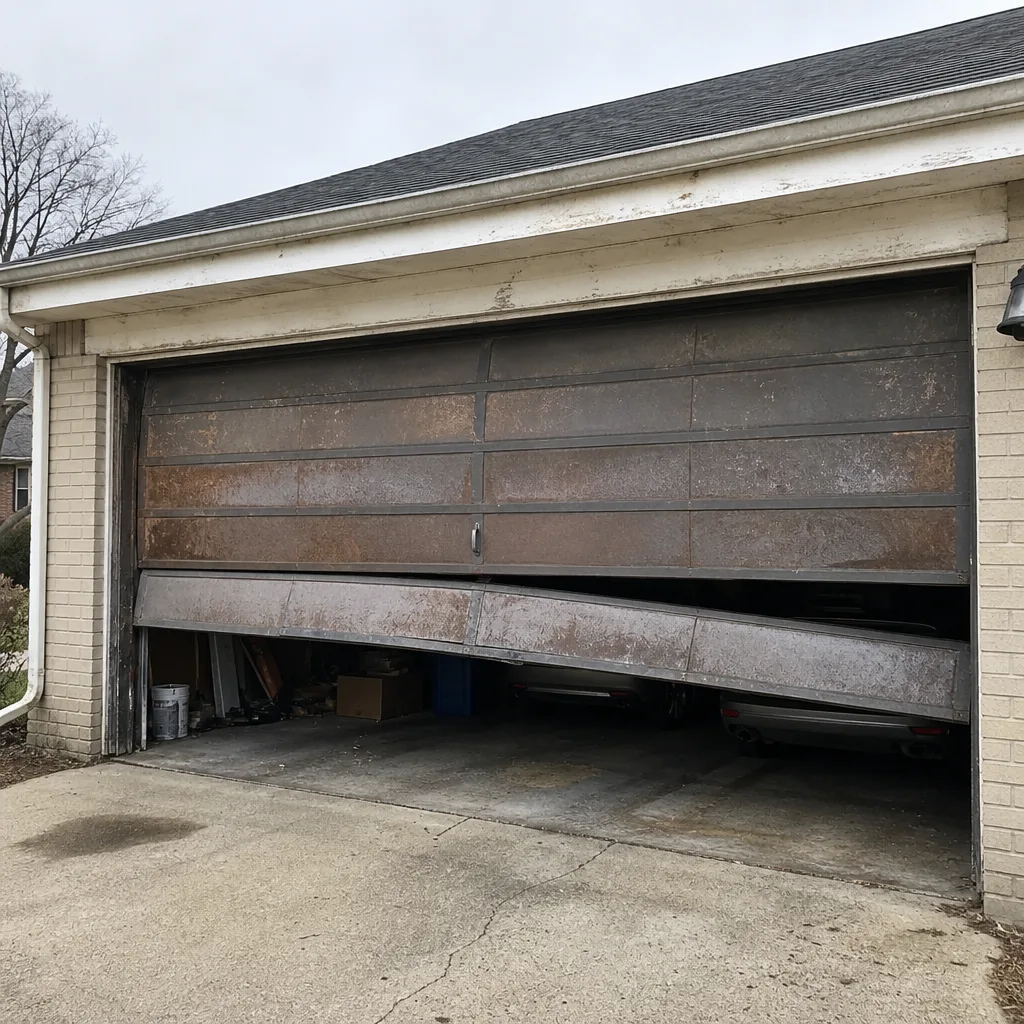 Before
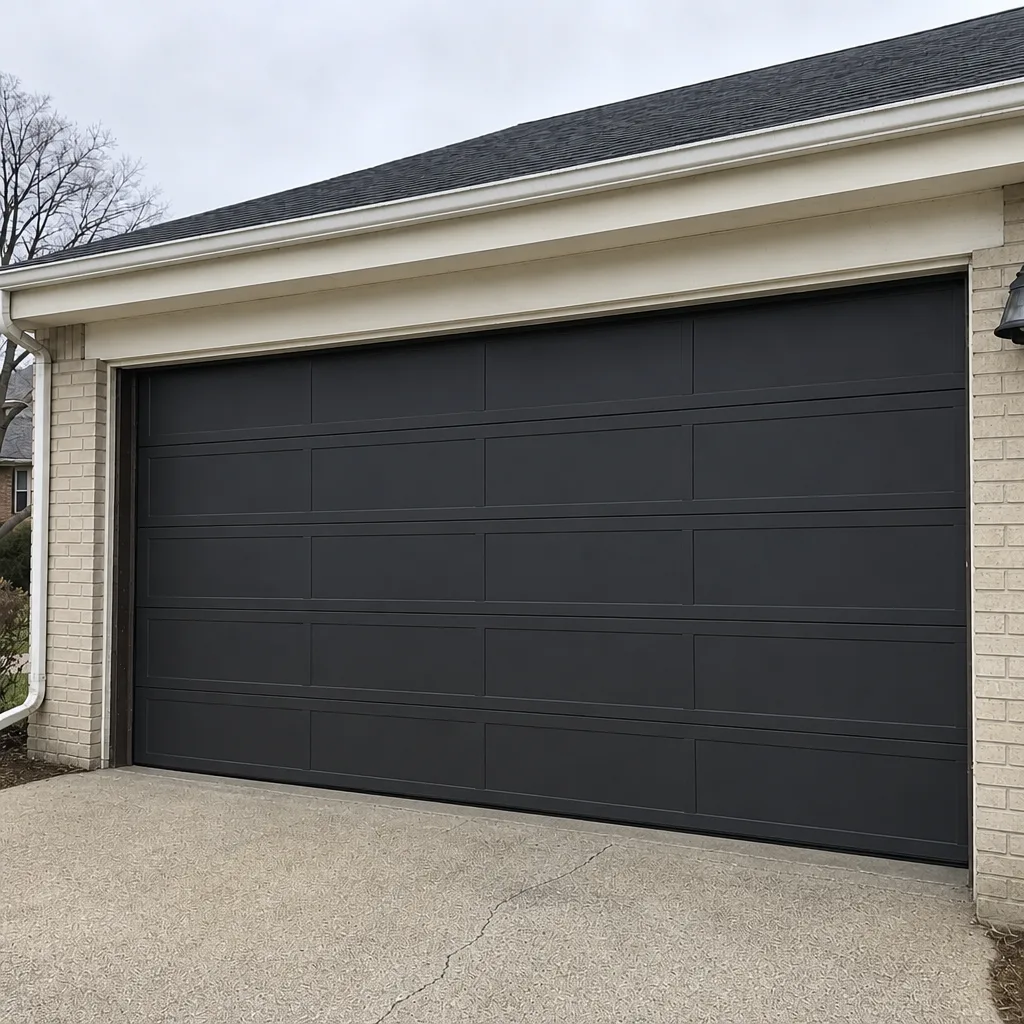 After
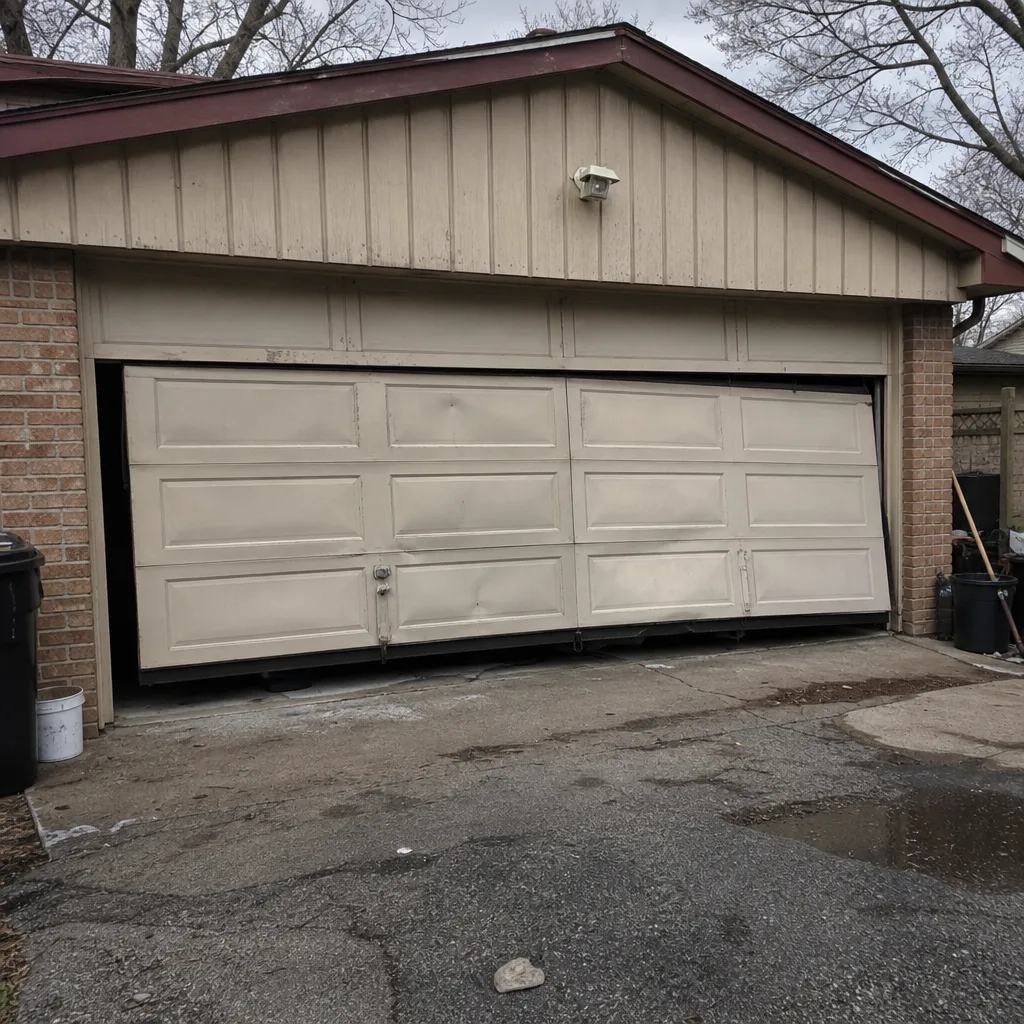 Before
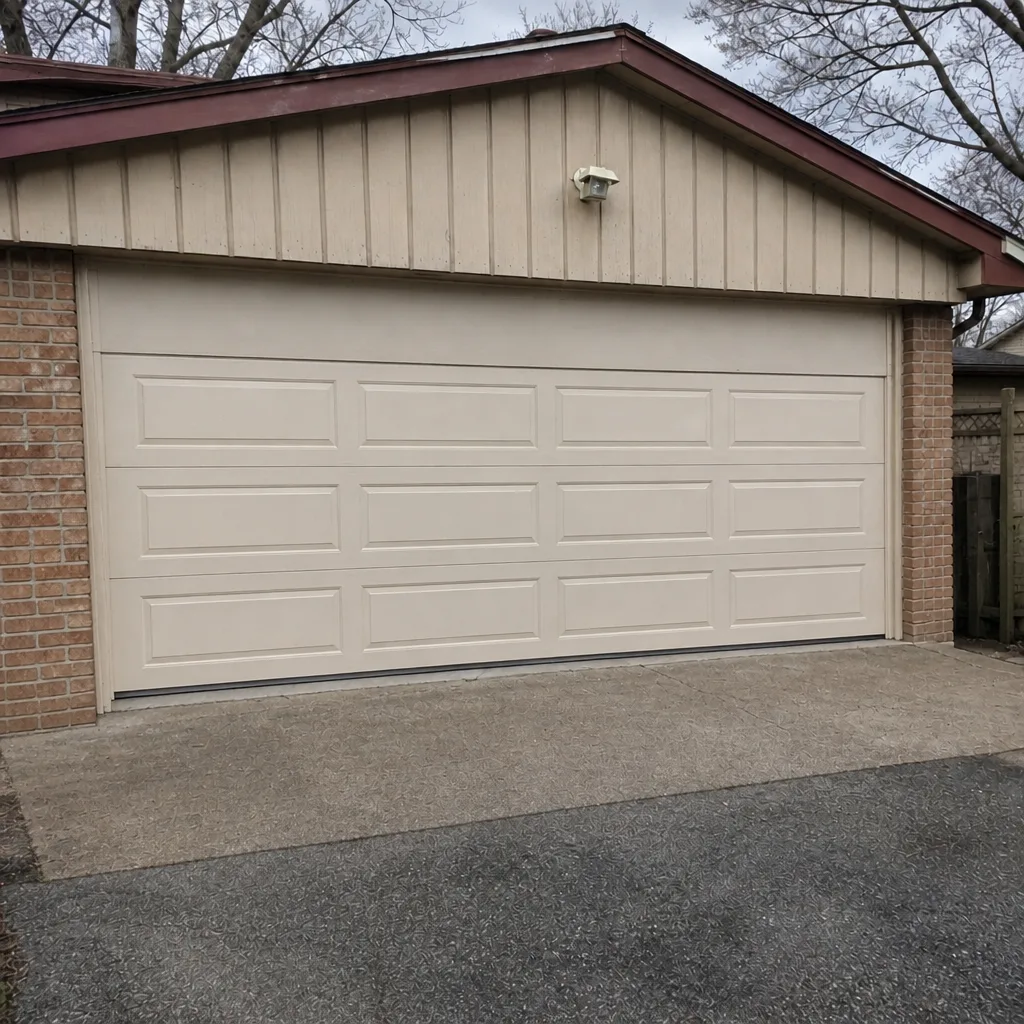 After
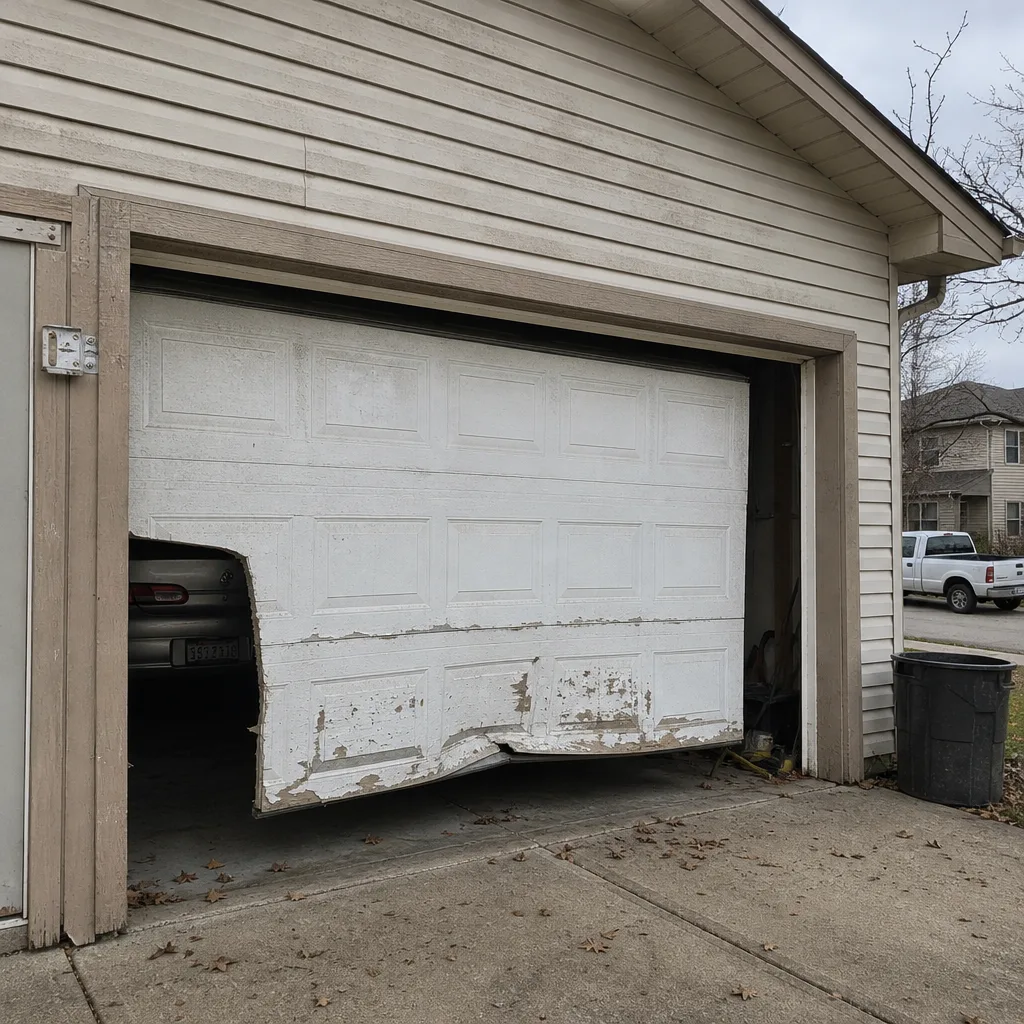 Before
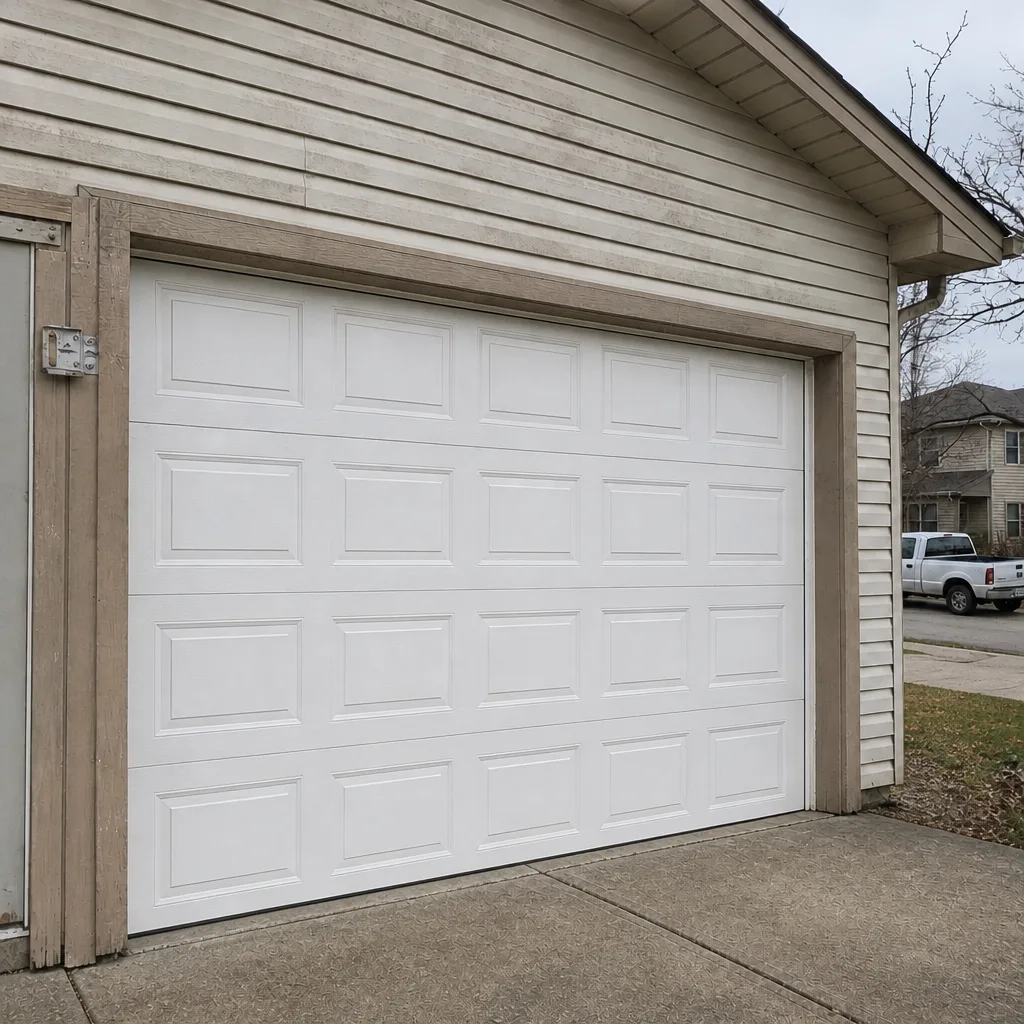 After
Common Mistakes to Avoid
- Trying to save on spring work. Spring repair is the single most common DIY injury in this trade, and no household tool is worth the risk. Let a trained technician handle it.
- Lubricating the tracks. This is a very common DIY mistake. Lubricant on the tracks attracts dust and causes the door to slide unevenly, worsening noise and wear.
- Buying a spring by length only. Two springs the same length can have different wire gauges and load ratings. Match on door weight and cycle count, not length.
- Ignoring a bent track. A door that’s been hit, or a car that’s backed into it, leaves the track slightly bent. Running the door on bent track damages rollers and the panels.
- Patching opener symptoms instead of causes. A door that reverses on closing after sensor alignment often has a failing sensor rather than just a misaligned one. Replace or repair the sensor, not just the position.
- Mixing brands on opener parts. A LiftMaster motor with a Chamberlain remote will often need a receiver, not a new remote. Confirm compatibility before you buy.
- Skipping the permit. Aurora is specific about which structural changes need a permit, and an unpermitted door replacement is a problem at resale. Ask the city’s building department before you sign any contract.
When to Call a Professional
Call a professional any time the door involves springs, cables, or structural work. Call immediately if you notice a snapped spring, a door that won’t open, a door hanging off its tracks, or a cable that looks frayed. Call also if a door that used to run quietly now rumbles, reverses, or won’t close completely. Those are the early warning signs, and catching them early usually means a cheaper repair than waiting for a failure.
For the tasks you can’t safely handle, our team covers Aurora and can be at your door same day for urgent problems. Flagship Garage Door Repair offers free estimates across Aurora and surrounding neighborhoods; call (866) 983-4312. We answer 24/7. The written estimate sets the final price, and we agree it with you before any work starts. If you’re planning a new door rather than a repair, we also handle full installation on Clopay doors and the other brands we service, and we walk you through the measure and written quote process before anything is ordered.
Frequently Asked Questions
No. Torsion and extension spring work is the most dangerous category of garage door repair, and no amount of skill makes it safe without the proper winding tools and training. Even experienced tradespeople shouldn’t touch a spring without a spotter and the correct equipment. Call a professional instead.
Cost depends entirely on what’s broken, so the only honest number is the one in your written estimate. Spring repairs, opener tune-ups, track alignment, and panel replacements all fall in different ranges. We don’t quote a figure until we see the door. Call (866) 983-4312 for a free estimate; the written price is agreed before any work starts.
Occasionally, if your door’s weight is within the opener’s rated capacity and you’re comfortable with electrical work and the safety setup. Most homeowners are better off with a professional install. A mismatched LiftMaster, Chamberlain, or Genie setup can void the warranty, and a mis-set force limit creates a safety hazard. When in doubt, book the install and save yourself the guesswork.
That depends on your specific policy and the cause of the failure. Some policies exclude damage caused by improper installation. Check with your insurer directly before making a coverage assumption. The most reliable way to protect the repair is to use insured, trained technicians who stand behind the work.
Clear the garage floor, identify your door and opener models, photograph the springs and tracks, and write down the symptoms. Those steps shorten the diagnosis and keep the visit efficient. Don’t unload any spring or force the door by hand.
It depends on whether the work changes the door opening, header, or framing. A straight swap within the existing opening usually doesn’t require a permit, but structural changes may. Ask the city’s building department for the exact requirements on your project before you sign a contract.
The Bottom Line
The DIY vs. professional decision for a garage door isn’t really about whether you’re handy. It’s about knowing exactly where the line is between a task that rewards a careful homeowner and one that punishes anyone without the right training. Weatherstripping, sensor alignment, lubrication, and cosmetic panel work are safe to handle yourself. Springs, cables, tracks, and structural framing belong to the professional. And the hybrid approach, prepping before a technician arrives, gets you the best of both: DIY savings on the safe tasks and professional safety on the dangerous ones. If you’re in Aurora and you’d rather hand the whole thing to the specialists, Flagship Garage Door Repair is here. From a snapped spring to a brand-new door, we handle the three things we do best and nothing else. Call Flagship Garage Door Repair at (866) 983-4312 for a free estimate.
Written by the team at Flagship Garage Door Repair.