
Last updated November 15, 2026
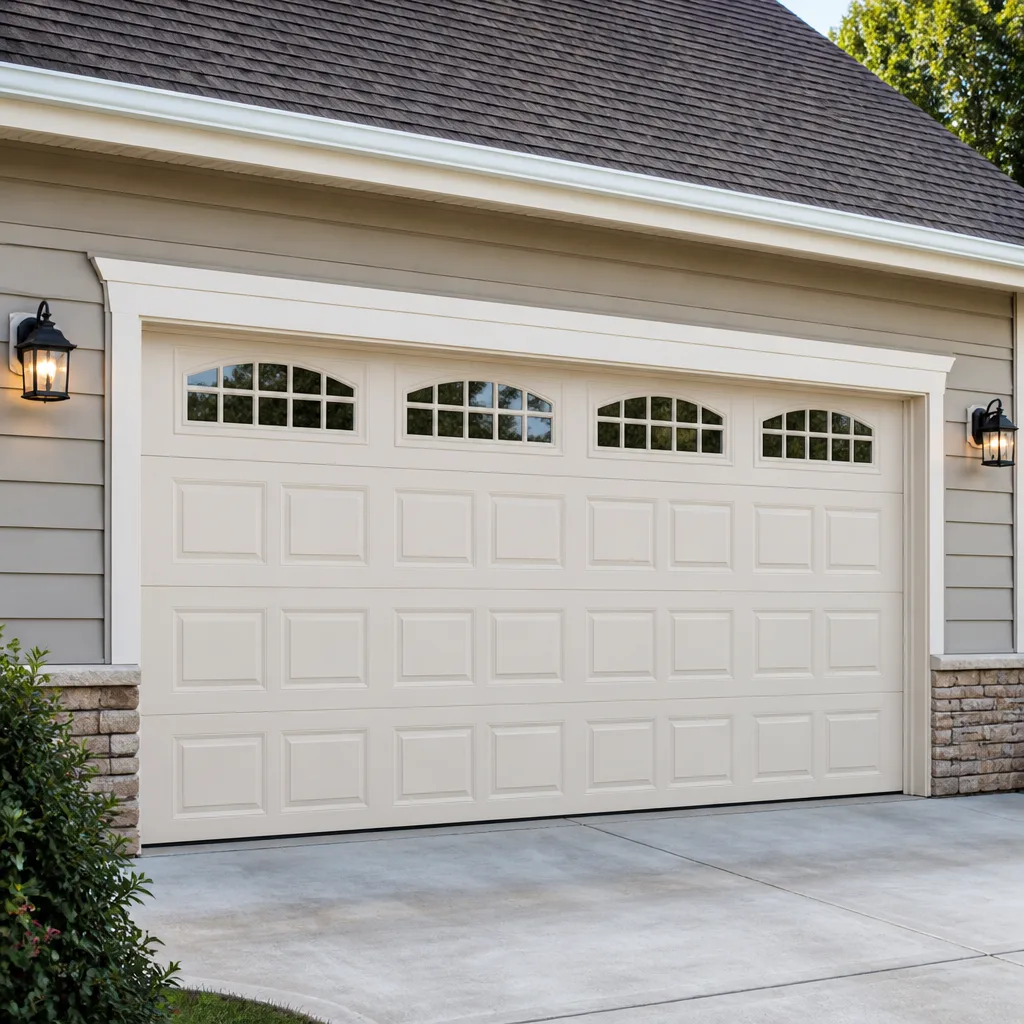 Raised-panel steel
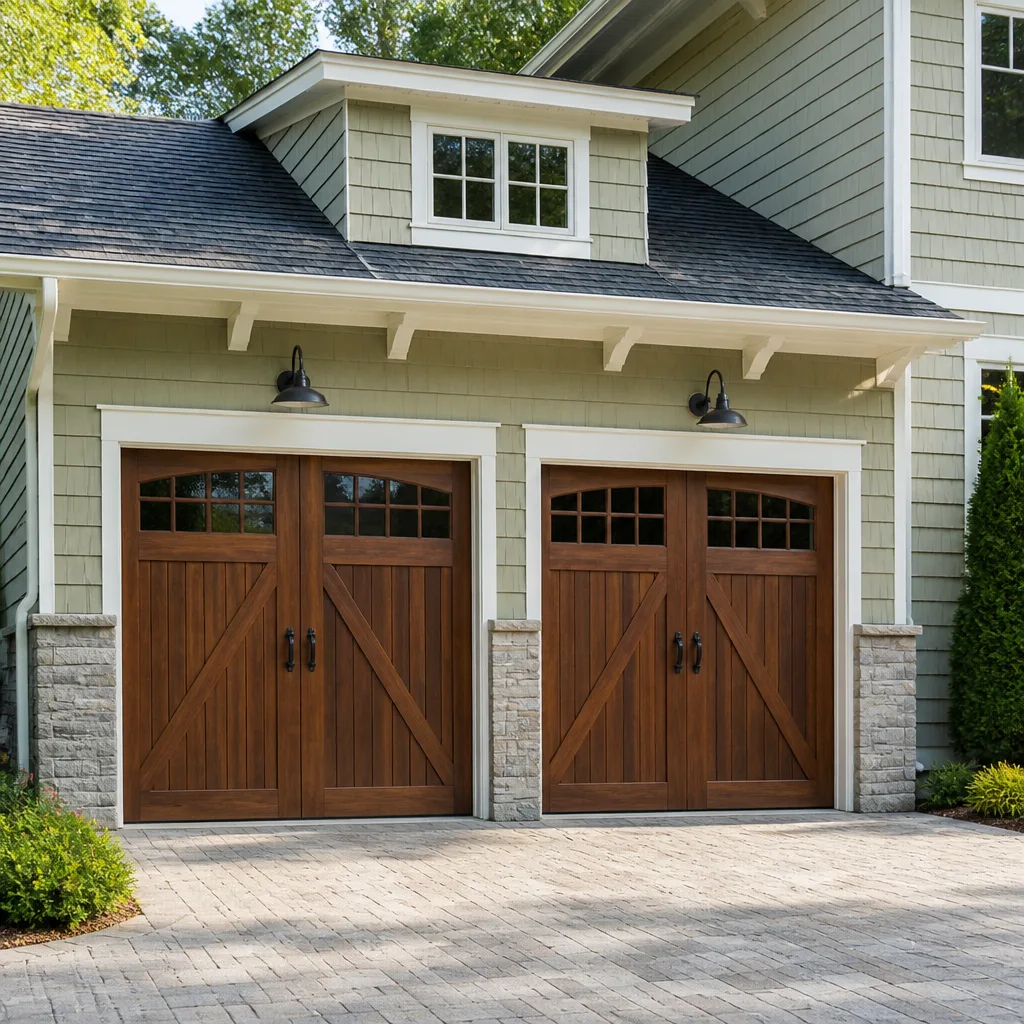 Carriage house
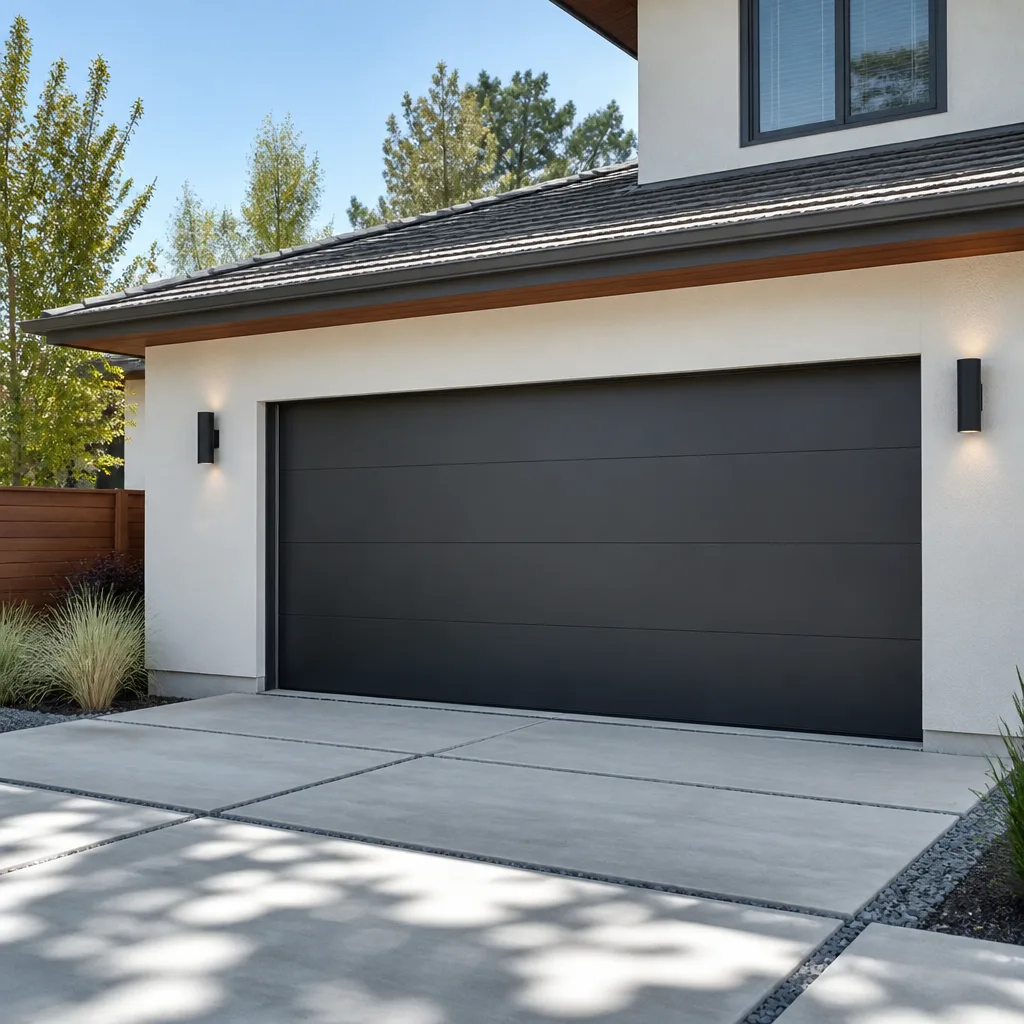 Modern flush
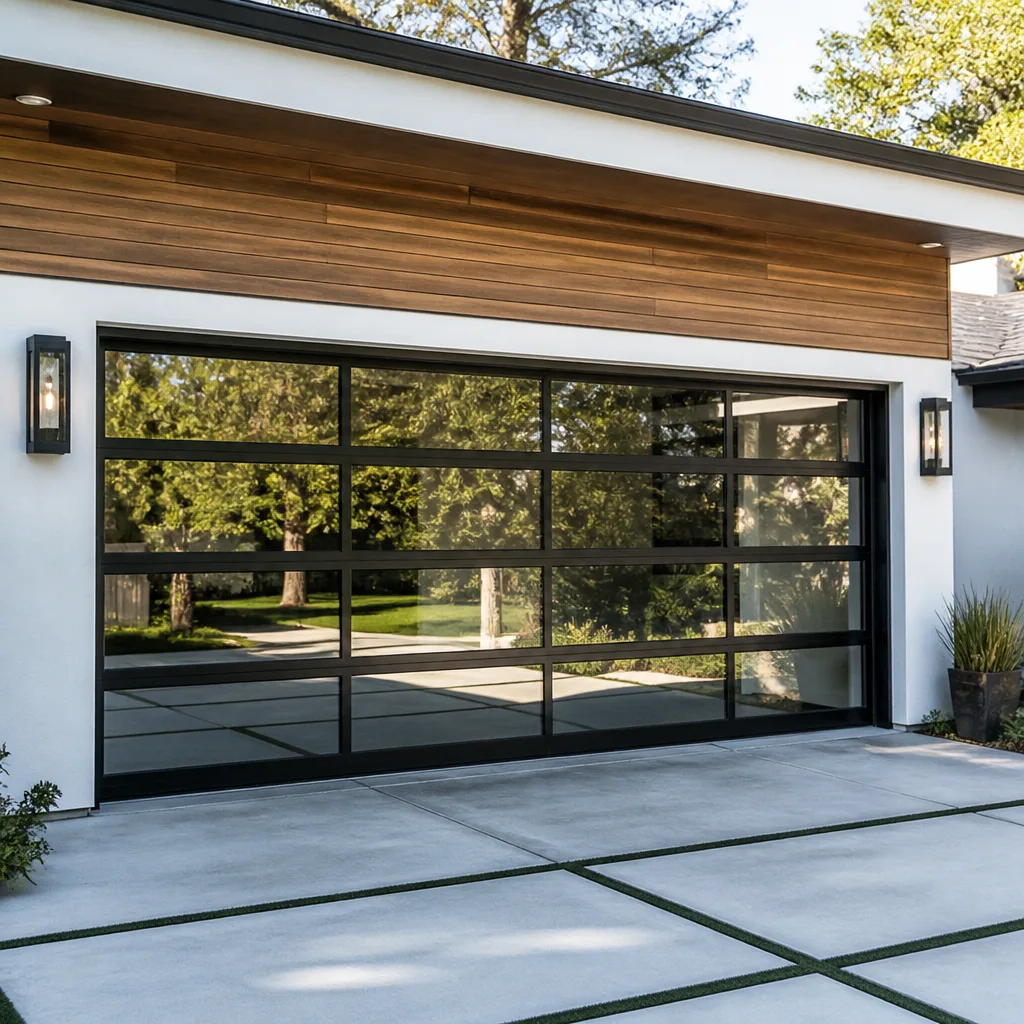 Full-view glass
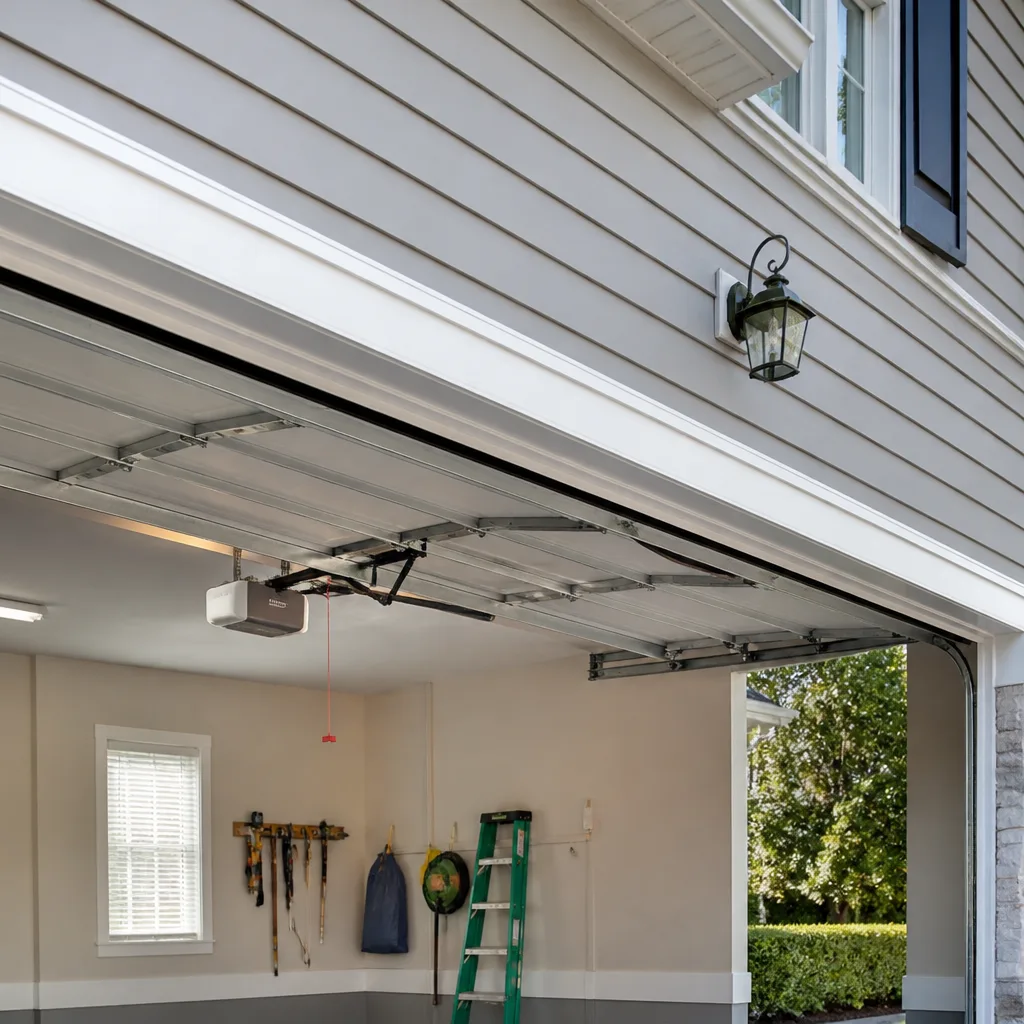 LiftMaster openers
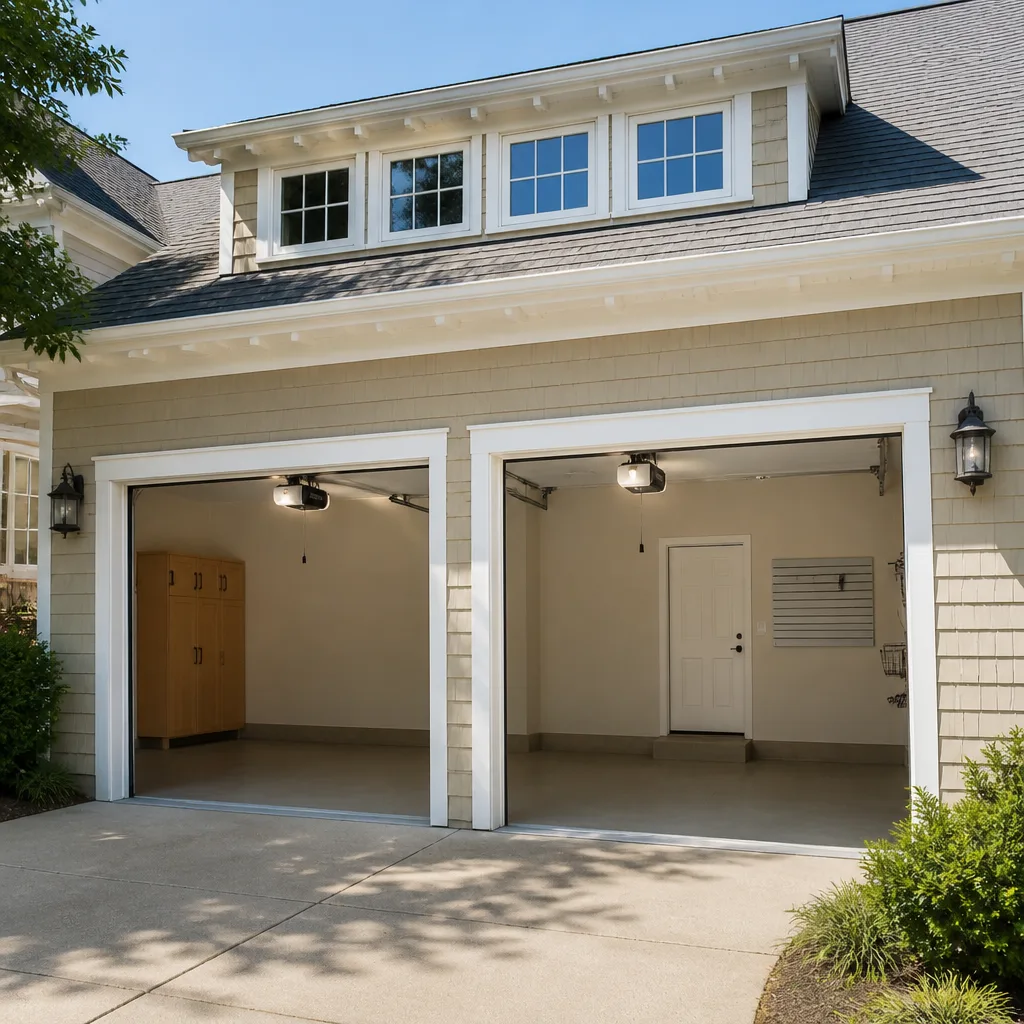 Chamberlain openers
Full 25-point door and opener safety check with every visit - springs, cables, rollers, tracks, and your LiftMaster or Chamberlain opener included
You get a price before we start. It does not change when the pro arrives.
Get your free estimateGarage Door Repair Maintenance Schedule: What to Do and When
The single annual tune-up is the most repeated advice in this trade, and it’s also the most misleading. Springs, rollers, cables and bottom seals don’t wear on the same clock. A torsion spring may last seven to nine years on paper, but skip lubrication through one Illinois winter and that timeline can collapse toward year four. That’s a $300 to $500 repair you invited by “being careful” once a year. This guide breaks maintenance into the intervals each component actually demands, with a five-minute monthly check, an Aurora-specific winter protocol, and a straight answer on cycle count versus calendar years.
Quick Answer
Inspect springs and cables annually, lubricate springs, hinges and rollers every six months, and check rollers and bottom seals monthly through winter. Replace weatherstripping when you can see daylight under the door, not on a fixed date. Track cycles rather than years: most residential doors run 1,000 to 1,500 cycles a year, and components are rated by cycle, not by birthday.
Styles & brands we work with
- Raised-panel steel
- Carriage house
- Modern flush
- Full-view glass
- LiftMaster openers
- Chamberlain openers
Table of Contents
- Why One Annual Tune-Up Falls Short
- Component-by-Component Maintenance Intervals
- The Five-Minute Monthly Homeowner Check
- What Lubrication Actually Means for a Garage Door
- Cycle Count: The Honest Measure of Component Life
- Aurora Winter Prep: Before the First Hard Freeze
- Post-Winter Inspection: What Freeze Damage Looks Like
- Weatherstripping: Replace on Evidence, Not a Calendar
Why One Annual Tune-Up Falls Short
A garage door is not one machine. It’s a system of parts that fail for different reasons at different rates. Springs fatigue from cycling. Rollers wear from friction and grit. Cables fray from tension and moisture. Bottom seals crack from freeze-thaw. A single visit once a year treats all four as if they degrade in step, and that’s simply not how it works.
In Aurora, the seasonal swing makes this worse. A door that sits through a Fox Valley winter collects road grit on its rollers, contracts at the seals, and works its springs harder as cold thickens the lubricant film. Homeowners who assume an annual check covers everything are usually the ones calling us for a snapped spring in January, which is exactly the call we’d rather help you avoid.
We specialize in LiftMaster, Chamberlain, Genie, Clopay, Amarr, Wayne Dalton, Craftsman and Raynor systems, and across all eight the wear pattern is the same: parts age on independent timelines. Brand-matched diagnostics matter because a Clopay steel door and a Wayne Dalton door with a torsion system can wear the same parts at different intervals, and a maintenance schedule should account for that.
What follows is the schedule we’d hang on a wall. It treats each component on its own clock and builds in the Aurora seasons that stress specific parts hardest. Read it once, set a few phone reminders, and you’ll spend far less time reacting to breakdowns.
Component-by-Component Maintenance Intervals
Here are the intervals each component actually needs, framed as inspection and lubrication windows rather than a single annual visit. These are the numbers we work from, and they hold across most residential doors regardless of brand.
- Springs: Inspect visually once a year for gaps, stretching or rust. Lubricate every six months. Expect replacement somewhere in the seven-to-nine-year range under normal cycle counts, sooner if lubrication lapses.
- Rollers: Inspect every six months for flat spots, cracks and wobble. Nylon rollers often need replacing around the 10,000-cycle mark, though grit accelerates that, and Aurora’s winter road grit is a real contributor.
- Cables: A visual check monthly during winter, when tension and moisture combine. Look for fraying, kinks or slack, and treat any of them as a stop-use signal.
- Hinges and tracks: Lubricate hinges at the six-month point. Wipe tracks clean and check for bends or buildup; never grease the tracks themselves.
- Weatherstripping and bottom seal: Replace when light shows under the door or the seal cracks, not on a fixed schedule.
- Opener: Test the safety reverse monthly. Check the force settings and chain or belt tension annually. This is a distinct system with its own maintenance needs, which is why we treat garage door opener repair as a standalone service rather than an add-on.
- Hardware and fasteners: Tighten bolts and check the brackets once a year. Vibration loosens things slowly, and a loose bracket can throw the whole door out of balance.
Notice how few of these land on the same date. That’s the point. A six-month lubrication cycle and a monthly winter cable check are doing different jobs, and no single tune-up covers both.
The Five-Minute Monthly Homeowner Check
This routine needs no tools and catches the majority of developing problems before they turn into failures. Do it once a month, and again after any stretch of hard cold in Aurora. The goal is observation, not repair.
- Listen. Open and close the door and listen for grinding, squealing or a rhythmic thump. New noises are early warnings.
- Watch the travel. The door should move smoothly and land level with the floor. A door that hesitates, jerks or drifts to one side is telling you something is off.
- Check the balance. Disconnect the opener (pull the release handle) and lift the door halfway by hand. It should stay put. If it wants to fall or rise on its own, the springs are out of balance.
- Look for daylight. Stand inside with the door closed and check the bottom seal and sides for light coming through. Any visible light means the seal is failing.
- Test the safety reverse. Put a roll of paper towels or a small box in the door’s path and close it. The door should reverse on contact. If it doesn’t, stop using the opener and get it looked at.
- Scan the springs and cables. Look at the springs above the door for gaps or rust, and the cables for fraying. Don’t touch them. Just look and note anything that looks wrong.
That’s five minutes. If you can do it monthly through an Aurora winter, you’ll catch the slowly developing problems rather than the sudden failures. When something in that routine worries you, that’s a good moment to call a specialist for a proper look.
What Lubrication Actually Means for a Garage Door
Lubrication is where well-meaning homeowners do the most damage. It’s not a matter of spraying whatever’s in the garage on every moving part. Different components need different products, and the wrong one can ruin plastic parts or void a manufacturer warranty.
Here’s the short version: WD-40 is a penetrating solvent, not a lubricant, and it degrades the plastic and nylon components in a door’s roller assemblies. It’s fine for a squeaky hinge on a garden gate. It is not fine inside your garage door. Use it on nylon rollers or plastic bushings and you’re shortening their life, not extending it.
- White lithium grease: The right choice for metal-on-metal contact, including springs, hinges and the metal bearing plates. It stays put and handles cold well.
- Silicone spray: The right choice where plastic, nylon or rubber is involved, including nylon rollers and weatherstripping. It won’t degrade the material.
- Never grease the tracks. Tracks are meant to be clean and dry. Lubricant in the tracks collects grit and turns into a grinding paste.
- Check your opener manual. Some manufacturers specify products or prohibit others for the opener’s moving parts. Following the manual matters for Genie and Chamberlain units in particular, where the wrong product on the drive mechanism can complicate a warranty claim.
In our experience, the majority of premature roller failures we see in Aurora homes trace back to the wrong lubricant or none at all. Six months between applications, done with the right product, does more for door life than any other single habit. If you’re unsure what your specific door needs, we can look at it alongside a repair and tell you straight.
Cycle Count: The Honest Measure of Component Life
A component’s life is measured in cycles, not years. One cycle is one full open-and-close. Springs, rollers and openers are all rated by cycle count, and the calendar is a rough proxy at best. Two doors of the same age can be thousands of cycles apart depending on how the household uses them.
Here’s how to estimate where your door sits:
- Typical household: Two adults coming and going, opening the door roughly four times a day, lands near 1,000 to 1,500 cycles a year.
- Busier household: A family with kids coming in and out, plus a door used for daily errands, can hit 2,000 or more cycles a year.
- Quiet household: A door used mainly for parking and a weekly trip may run well under 1,000 cycles a year.
Multiply your daily average by 365 and you have a real number to work from. A spring rated for 10,000 cycles, run at 1,500 a year, is due around year seven. Run it at 2,500 a year and it’s due in year four. That gap is why two neighbors on the same Aurora street can have springs fail five years apart despite buying doors the same year.
Cycle count also explains why “it’s only five years old” doesn’t guarantee a component is fine. If the door is used heavily and lubrication has lapsed, a five-year-old spring can be further along than a twelve-year-old spring on a lightly used door. When we look at a door, we’re estimating cycles, not birthdays.
Aurora Winter Prep: Before the First Hard Freeze
Aurora winters put specific stress on a garage door: sub-zero temperatures thicken lubricant, contract metal, and stiffen rubber. A short prep protocol in the fall prevents a lot of January calls. Do this before the first hard freeze, ideally in late October or early November.
- Lubricate the springs and hinges with white lithium grease. Cold weather makes a marginal lubrication job into a stiff one, and stiff moving parts work springs harder.
- Apply silicone to the weatherstripping and bottom seal. A silicone-treated seal stays supple through the cold, which helps it keep sealing as the door contracts.
- Clean the tracks. Wipe them down with a dry cloth and a light solvent if there’s grime. Any grit left in the tracks gets ground into the rollers all winter.
- Test the balance and the safety reverse. A door that’s out of balance in October will be badly out of balance by February, when the cold makes everything stiffer.
- Check the opener’s force settings per the manufacturer’s instructions. If the door is binding, some openers will strain rather than stop. The force settings should match the door’s actual condition, not compensate for a binding door.
- Look at the exterior seal and threshold. Snow and ice pack against the bottom seal, and a cracked seal lets meltwater in and refreezes it. Replace any seal that’s already failing before the freeze.
None of this is complicated, but the combination of cold and skipped prep is what sends a lot of Aurora doors into the shop. Fall is also a sensible time to have a specialist look over the whole system, since a door that’s balanced and lubricated in November holds up far better than one that isn’t.
Post-Winter Inspection: What Freeze Damage Looks Like
When the thaw comes, the winter’s damage shows up. A short inspection in early spring catches what the freeze left behind and gets you ahead of problems before they compound through the year. Here’s what to look for.
- Bottom seal damage: Freeze-thaw cycles crack and stiffen the bottom seal. Look for splits, a seal that’s pulling away from the door’s bottom edge, and any place where light shows through.
- Sensor alignment drift: The safety sensors near the floor get knocked, buried in snow or shifted by ice. Test them by breaking the beam with your hand and confirming the door won’t close. If they’ve drifted out of alignment, a door that worked fine in October may refuse to close in March.
- Rust on springs and cables: Moisture and road salt from Fox Valley roads accelerate corrosion on any bare metal. Small rust spots are a warning, and rust pits are a reason to have a specialist look.
- Track alignment: Frozen ground and ice expansion can push a track out of line. A door that feels rough or rubs on one side after winter is worth checking.
- Roller condition: The rollers took the winter’s grit. Look for flat spots and wobble, and replace nylon rollers that look worn.
Spring is also the right moment for the six-month lubrication pass, so it pairs naturally with this inspection. If you’d rather have a trained eye do the look-over, that’s a straightforward job. We handle garage door repair throughout Aurora and can check the whole system in one visit.
Weatherstripping: Replace on Evidence, Not a Calendar
Weatherstripping doesn’t belong on a maintenance schedule with a fixed date. It fails when it fails, and the evidence is what matters. The test is simple: with the door closed, stand inside and look for daylight at the bottom and sides. Any visible light means the seal has lost contact and it’s time to replace it. Anything else is guesswork.
Beyond light, watch for these signals:
- Cracking or hardening: A seal that’s stiff and cracked isn’t sealing, even if the gap looks small.
- Water intrusion: A damp or stained floor at the door’s edge after rain means the seal has failed.
- Pests: Any gap at the bottom is an entry point. If you’re seeing signs of mice or insects near the door, the seal is the first thing to check.
- Visible tearing or detachment: Weatherstripping that’s pulling away from the channel or the door’s bottom edge has to be replaced, not patched.
In Aurora, the practical rule is: check the seal each fall and each spring. If it passes the light test both times, leave it. If it fails either one, replace it then. That’s a more accurate schedule than any fixed interval, and it saves you replacing a seal that still has life in it.
Common Mistakes to Avoid
- Treating the annual tune-up as a substitute for monthly checks. A yearly visit doesn’t catch a developing cable problem in January. The five-minute monthly check is what catches small issues before they compound.
- Using WD-40 as a lubricant. It degrades plastic and nylon components and does nothing for metal that needs real grease. Keep it off the door entirely.
- Greasing the tracks. Tracks should be clean and dry. Grease collects Aurora’s road grit and grinds the rollers down faster.
- Measuring life in years instead of cycles. A five-year-old door used heavily can be further along than a twelve-year-old door used lightly. Track cycles, not birthdays.
- Ignoring the bottom seal until winter. A seal that’s already cracking in October will let in meltwater and refreeze all winter. Check it in the fall, not when the garage floor starts getting wet.
- Skipping the post-winter inspection. Freeze-thaw damage and sensor drift don’t announce themselves. A spring check catches what the winter left behind.
- Adjusting opener force settings to push a binding door. If the door is binding, fix the door. Turning up the opener’s force to force it through does damage to both.
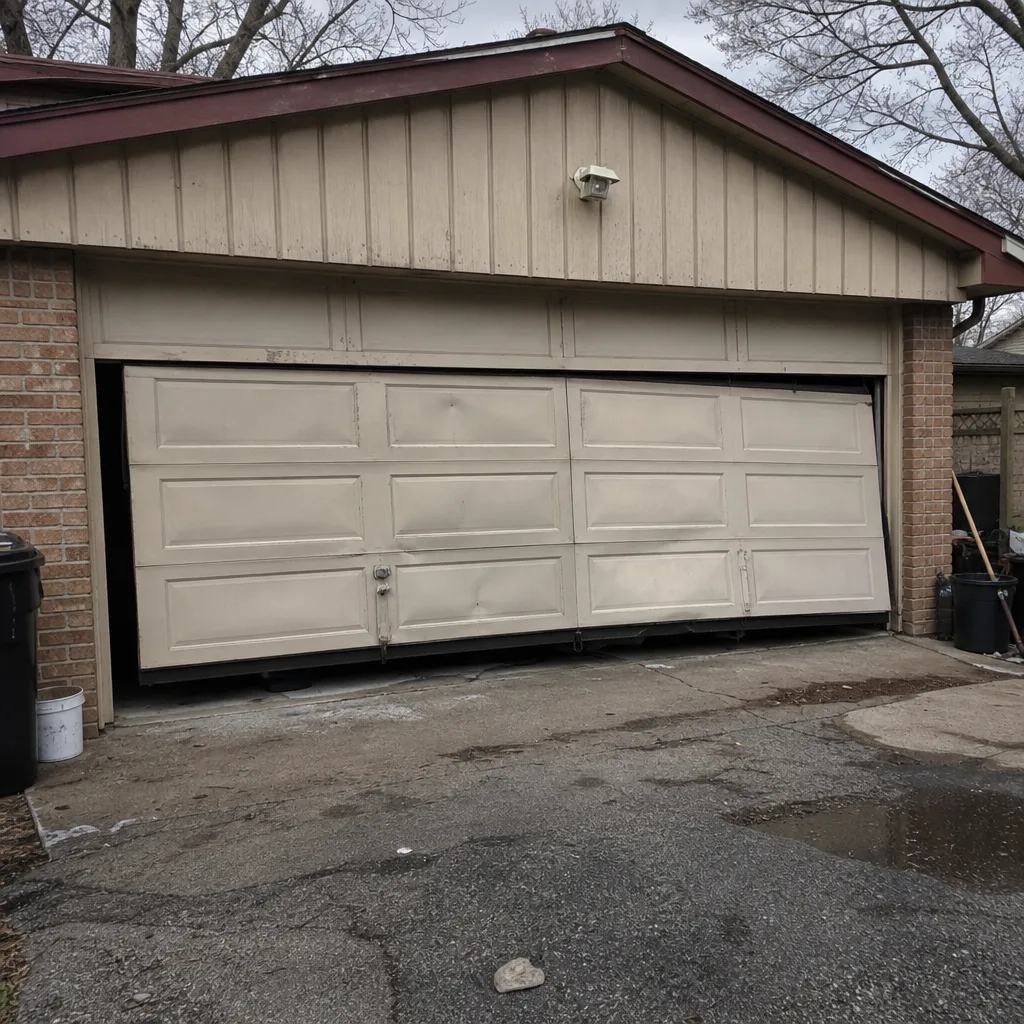
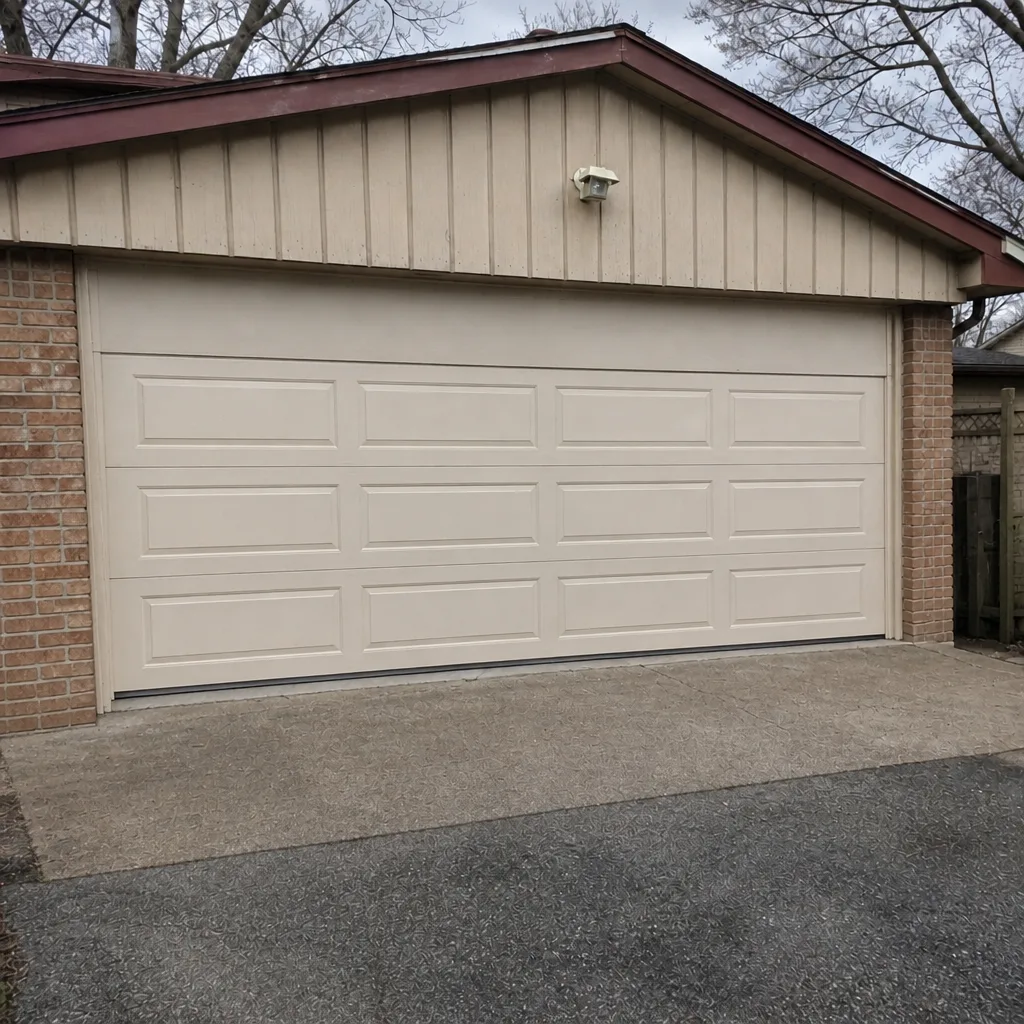
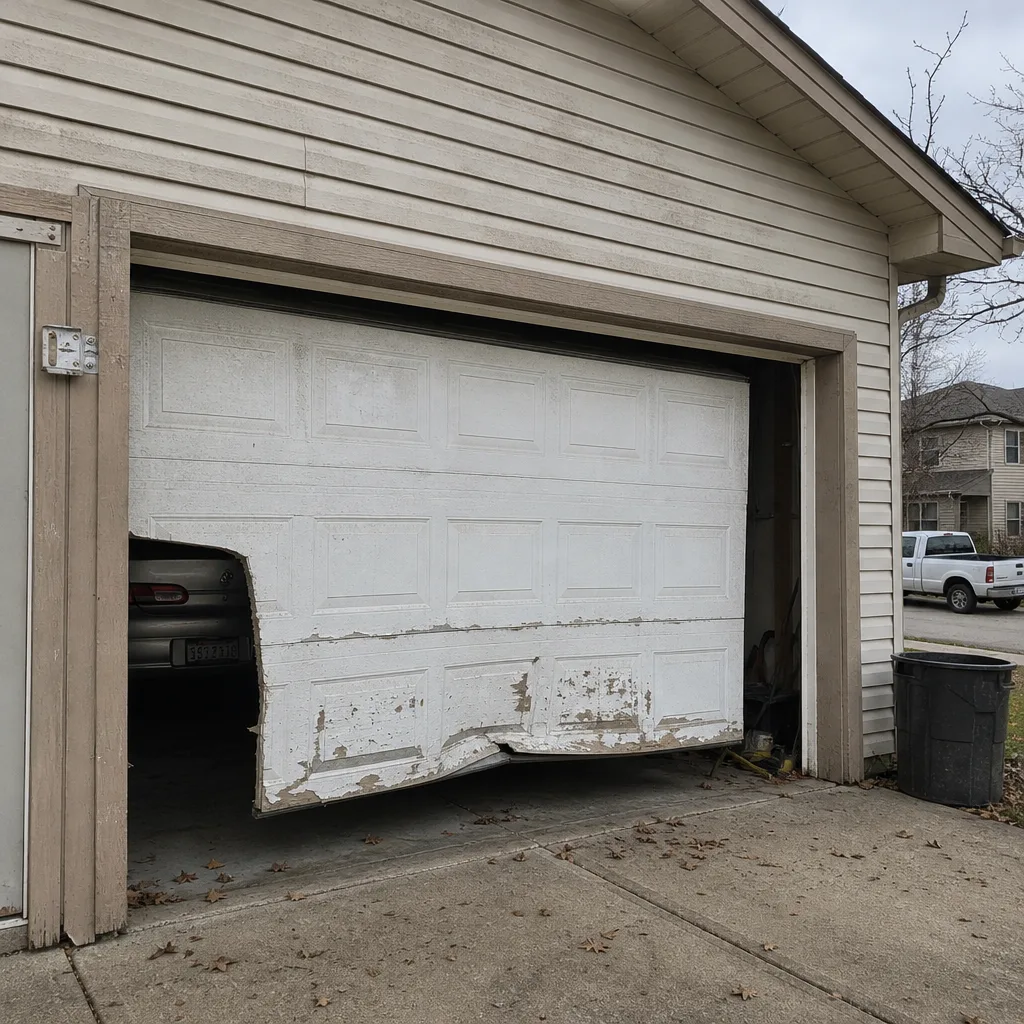
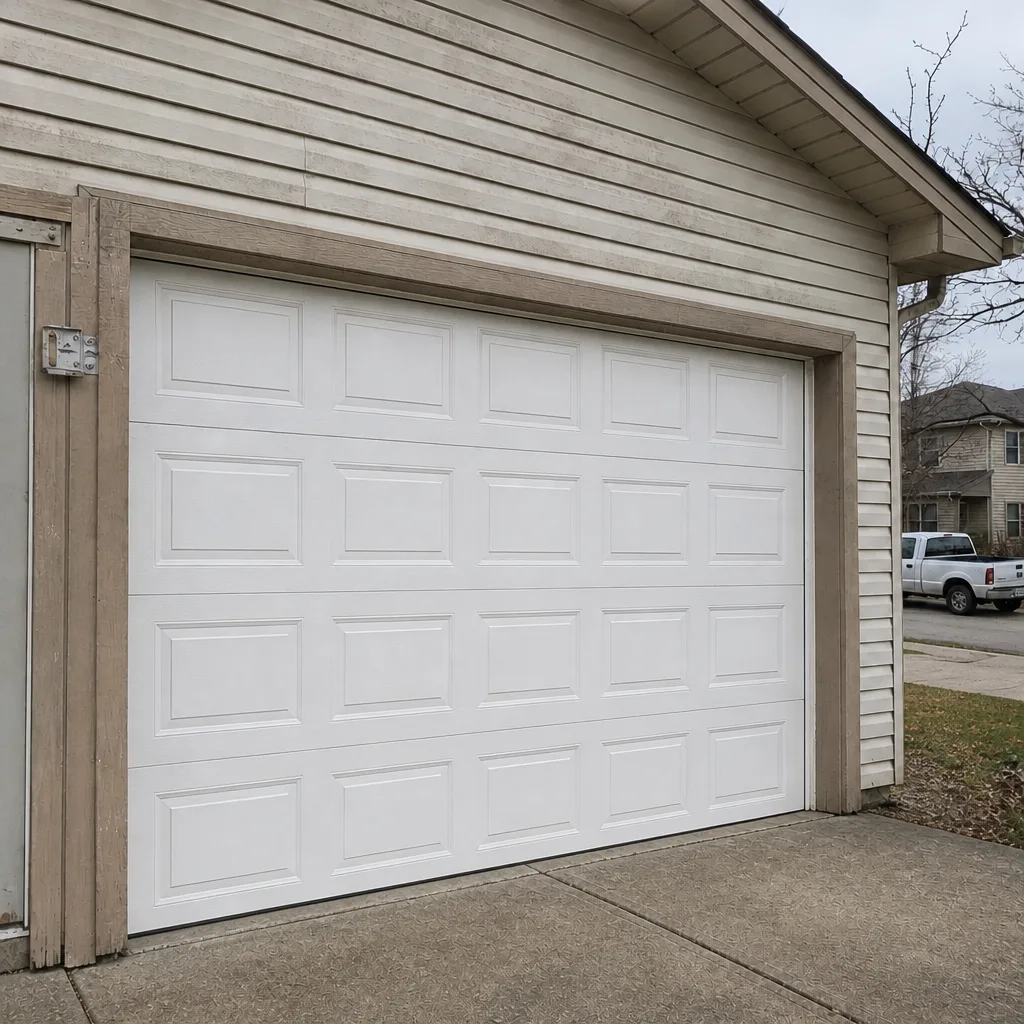
See the difference
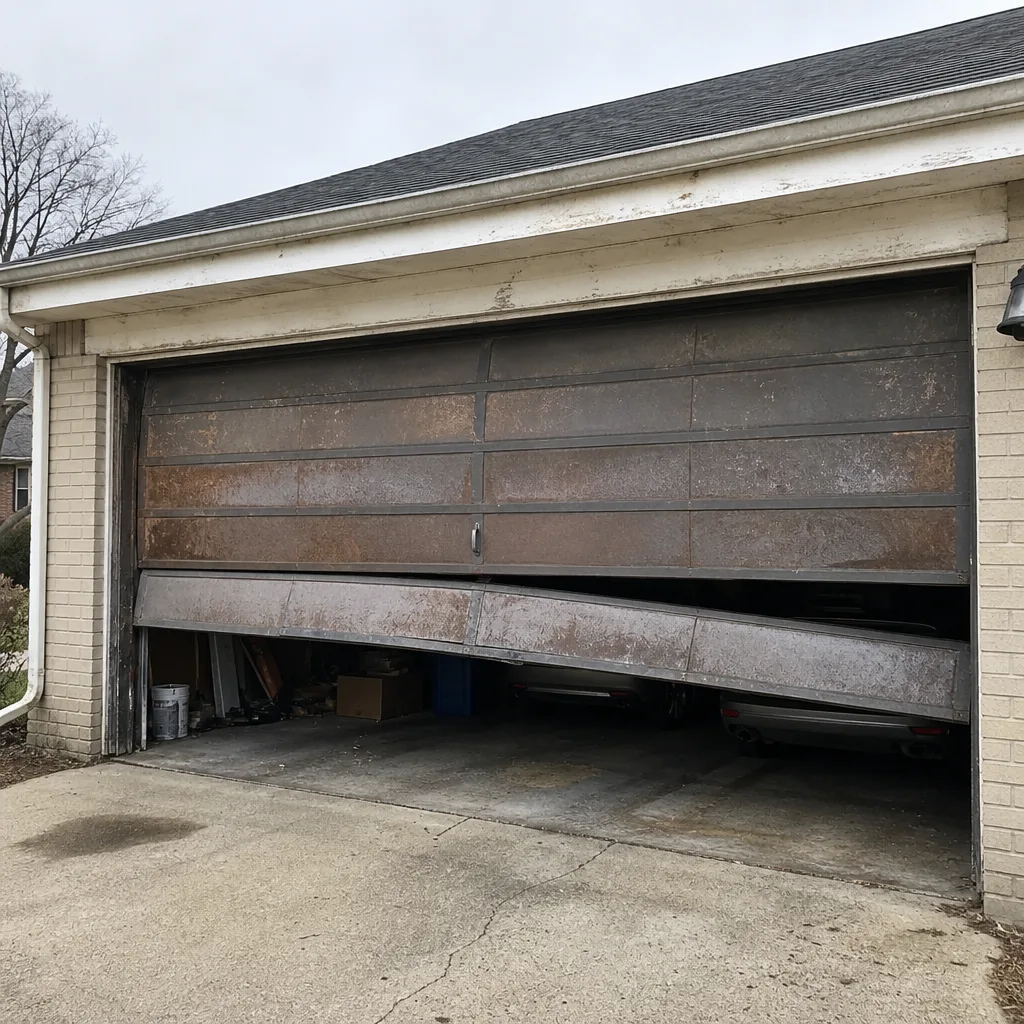 Before
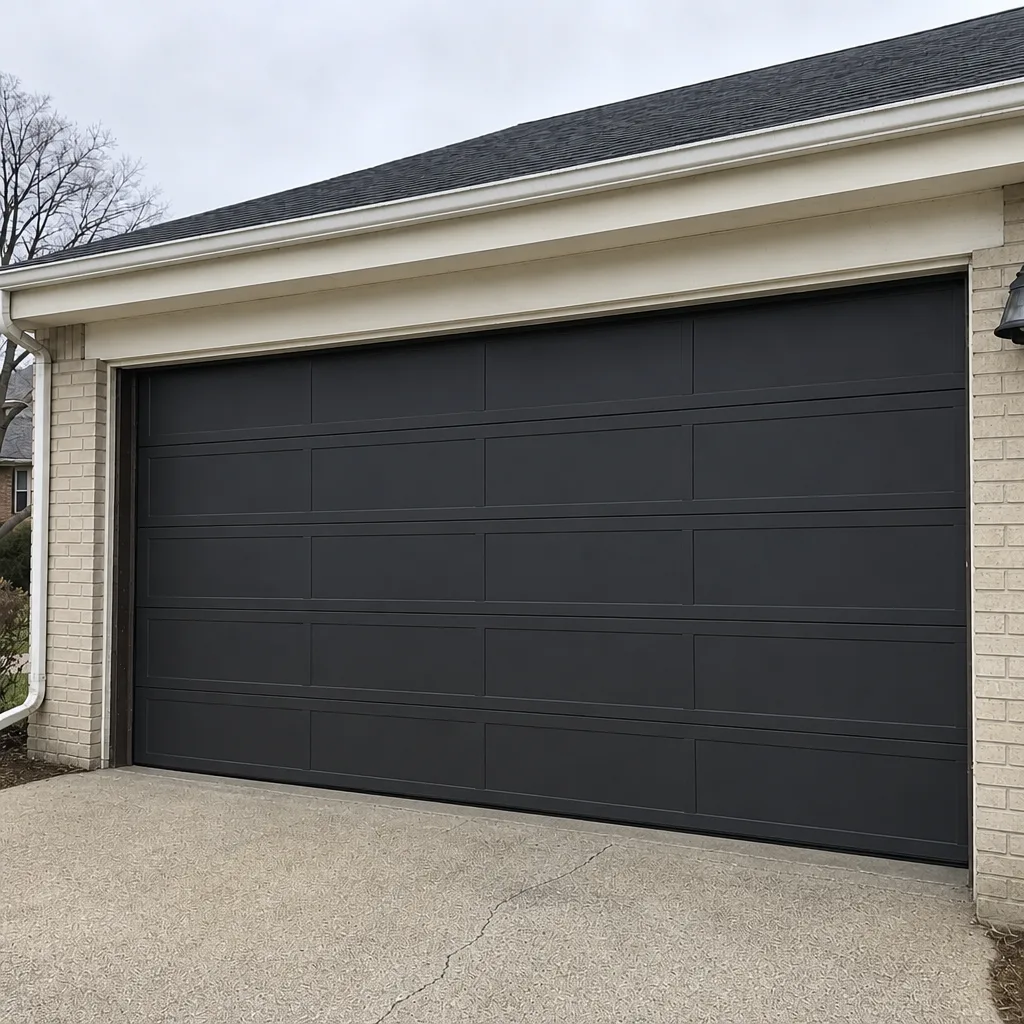 After
 Before
 After
 Before
 After
When to Call a Professional
Some of this schedule you can do yourself, and some of it you shouldn’t. Springs and cables are under extreme tension and carry real injury risk. If you see gaps in a spring, frayed cables or a door that’s out of balance despite your best lubrication, that’s the point to stop and call a specialist rather than start troubleshooting. Don’t attempt to adjust, remove or repair springs or cables yourself. The same goes for a door that’s dropped off its tracks or an opener that’s failing the safety reverse test after a reset, since that’s a safety system you don’t want to guess about.
For the rest, a professional inspection does things the homeowner check can’t: measuring spring tension, checking roller and cable condition against the manufacturer’s spec for your make and model, and confirming the opener’s force settings are correct. We specialize in eight major brands, including Chamberlain, Genie, Clopay and Amarr, so we arrive already familiar with your system. Flagship Garage Door Repair offers free estimates in Aurora. Call (866) 983-4312. We answer 24/7. Fast dispatch, 7am-7pm, Sunday through Friday.
Frequently Asked Questions
Lubricate springs, hinges and rollers every six months and inspect springs and cables once a year, with a monthly visual check during winter. A single annual tune-up doesn’t match how the parts actually wear. The six-month lubrication window and the monthly winter check are the two intervals that matter most.
Yes, for hinges, rollers and springs, using white lithium grease on metal parts and silicone spray on nylon and rubber. Use WD-40 and you’ll degrade the plastic components. Keep lubricant out of the tracks.
Look for visible gaps in the spring, stretching, rust pits or a door that won’t stay halfway open when disconnected from the opener. Any of those means it’s time for a specialist to look. Don’t attempt to adjust or replace a spring yourself; they’re under extreme tension and carry serious injury risk.
Cold thickens lubricant, contracts metal and stiffens rubber seals, so any part that was marginal in fall gets worse. The fix is the pre-freeze prep protocol: fresh grease, silicone on the seals, clean tracks and a balance check. A door prepped in November handles the cold far better than one that wasn’t.
Check that the sensor lenses are clean and aligned with each other, and test by breaking the beam with your hand. If the door still won’t close, the sensors have drifted out of alignment or failed. That’s an opener system issue, and we can diagnose it on a repair call.
When you can see light under the door with it closed. That’s the test. Cracking, hardening or water on the garage floor after rain are the other evidence. Don’t replace it on a fixed date; replace it when it fails the light test.
The Bottom Line
The one-visit-a-year habit feels careful but isn’t, because a garage door is a system of parts on independent clocks. Lubricate every six months, inspect springs and cables annually, run the five-minute monthly check, and track cycles rather than years. In Aurora, the fall prep and spring inspection are the two seasonal bookends that keep everything else working. If any part of that schedule looks off, or if a spring or cable is showing wear, have a specialist look. Call (866) 983-4312 for a free estimate. We answer 24/7. Fast dispatch from 7am to 7pm, Sunday through Friday, and we’re closed Saturday. You can learn more about our full range of services on our Flagship Garage Door Repair page, and we serve homeowners throughout Aurora.
Written by the team at Flagship Garage Door Repair.