
Last updated November 15, 2026
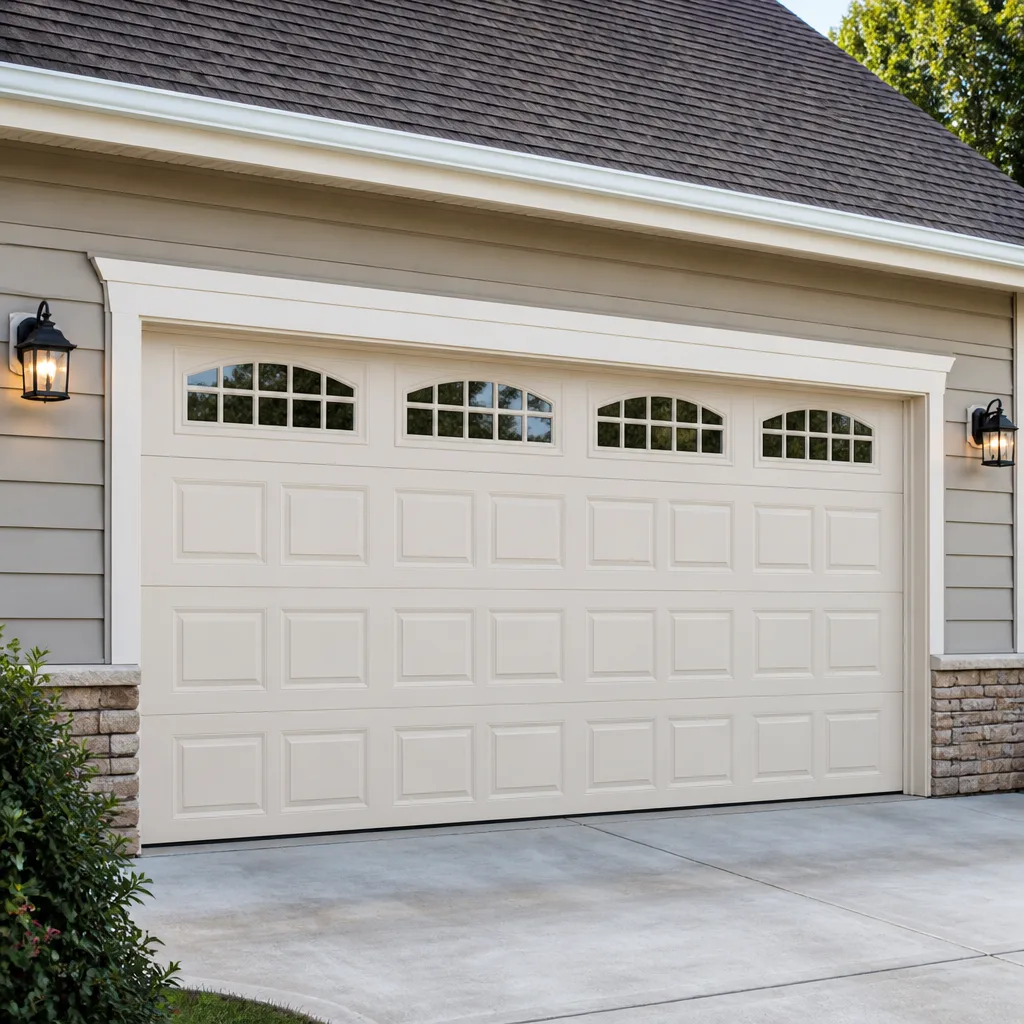 Raised-panel steel
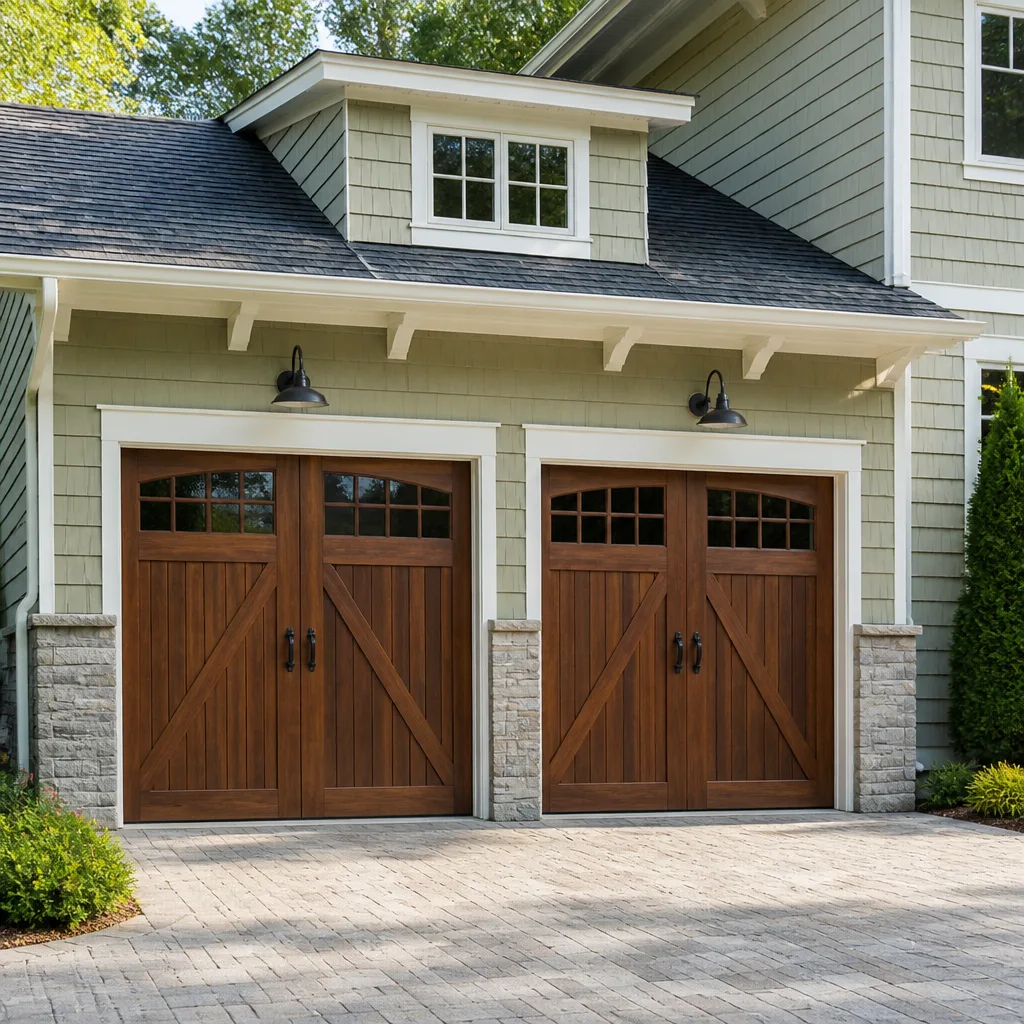 Carriage house
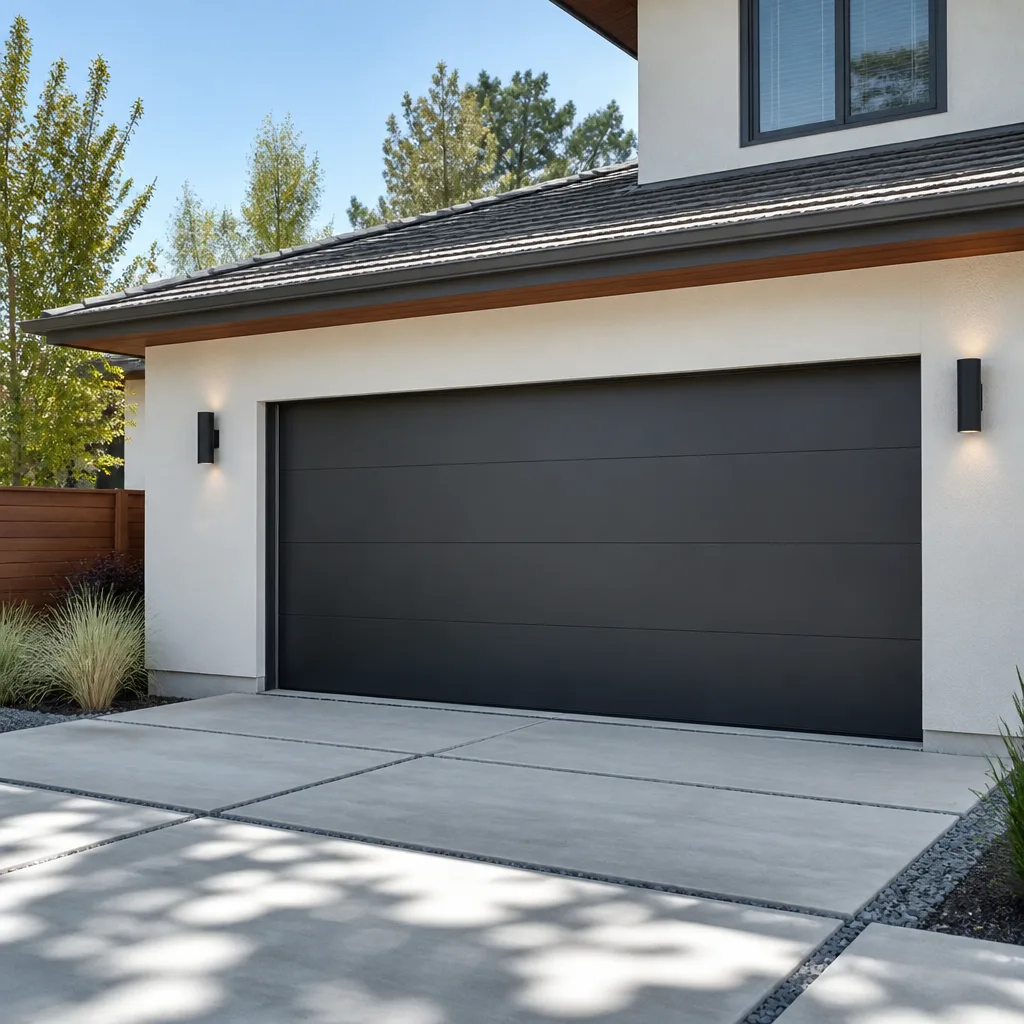 Modern flush
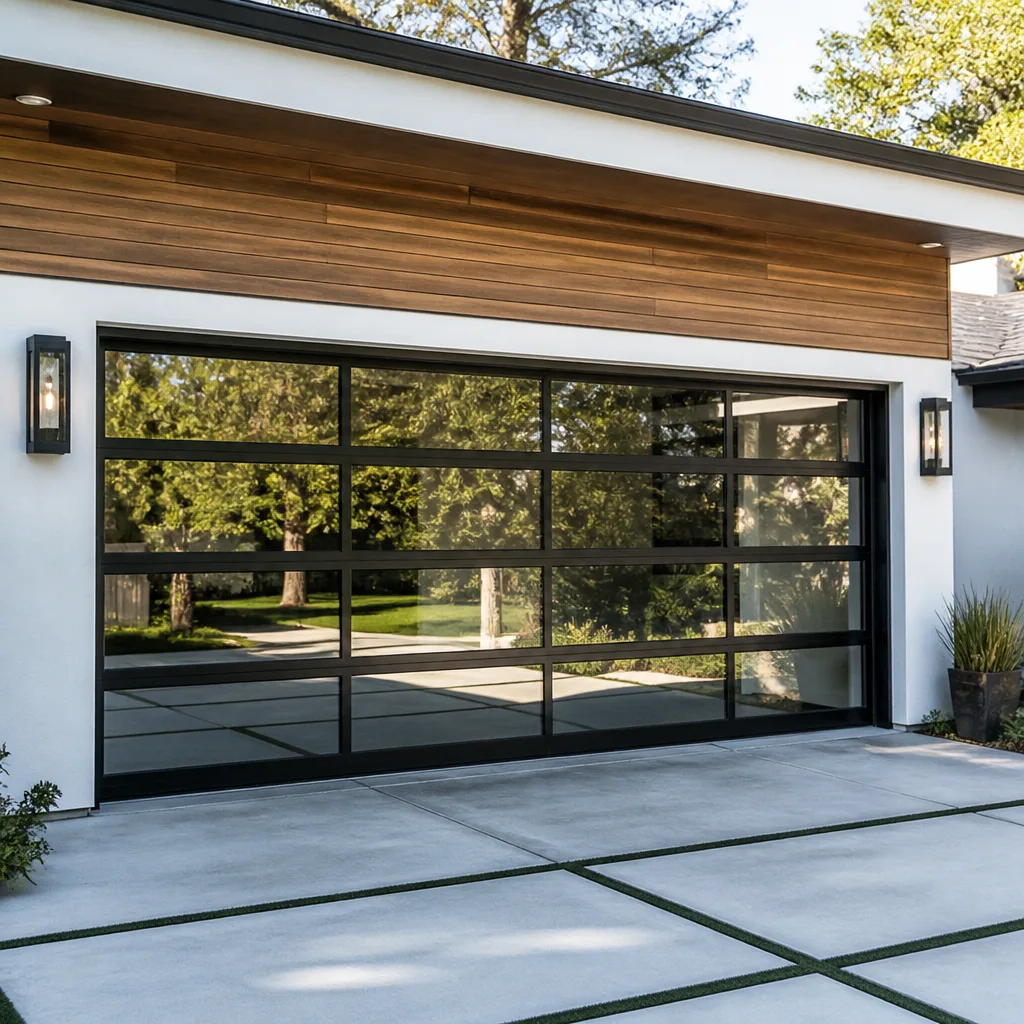 Full-view glass
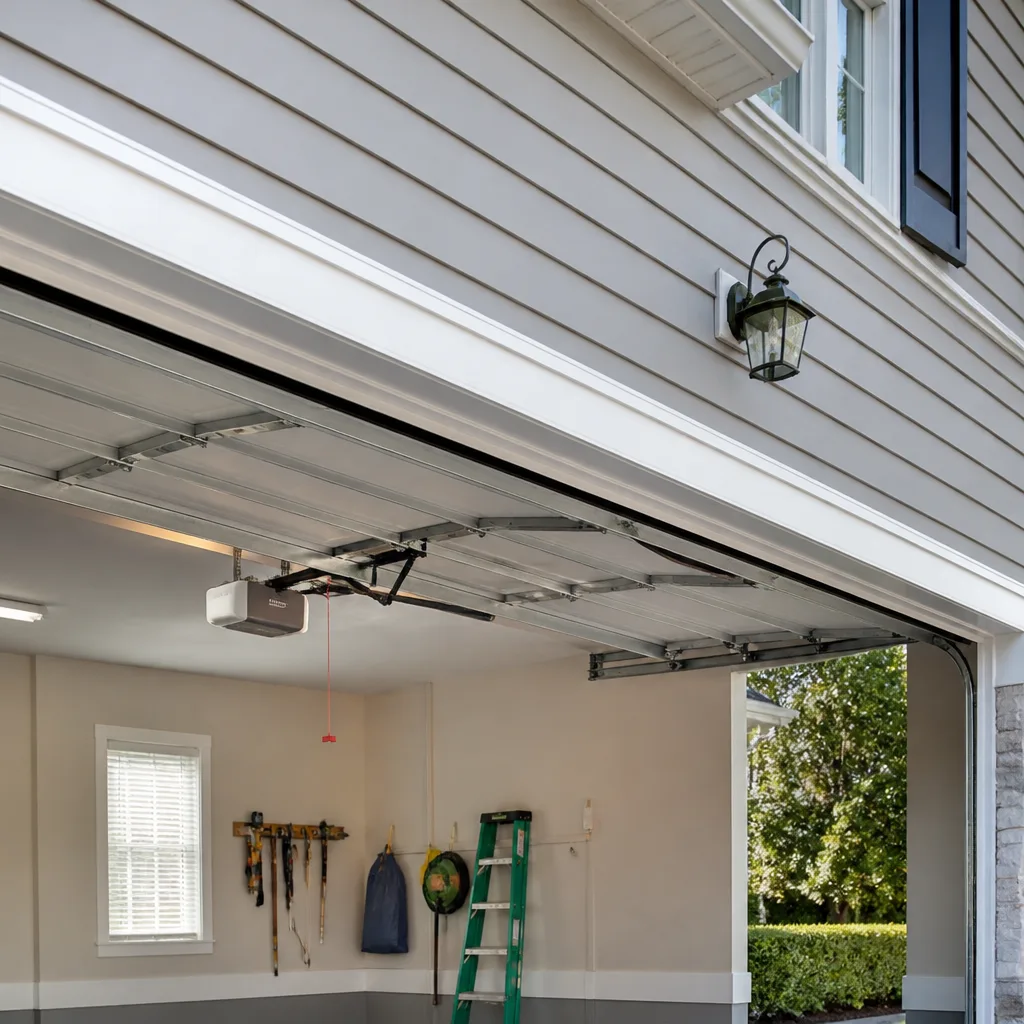 LiftMaster openers
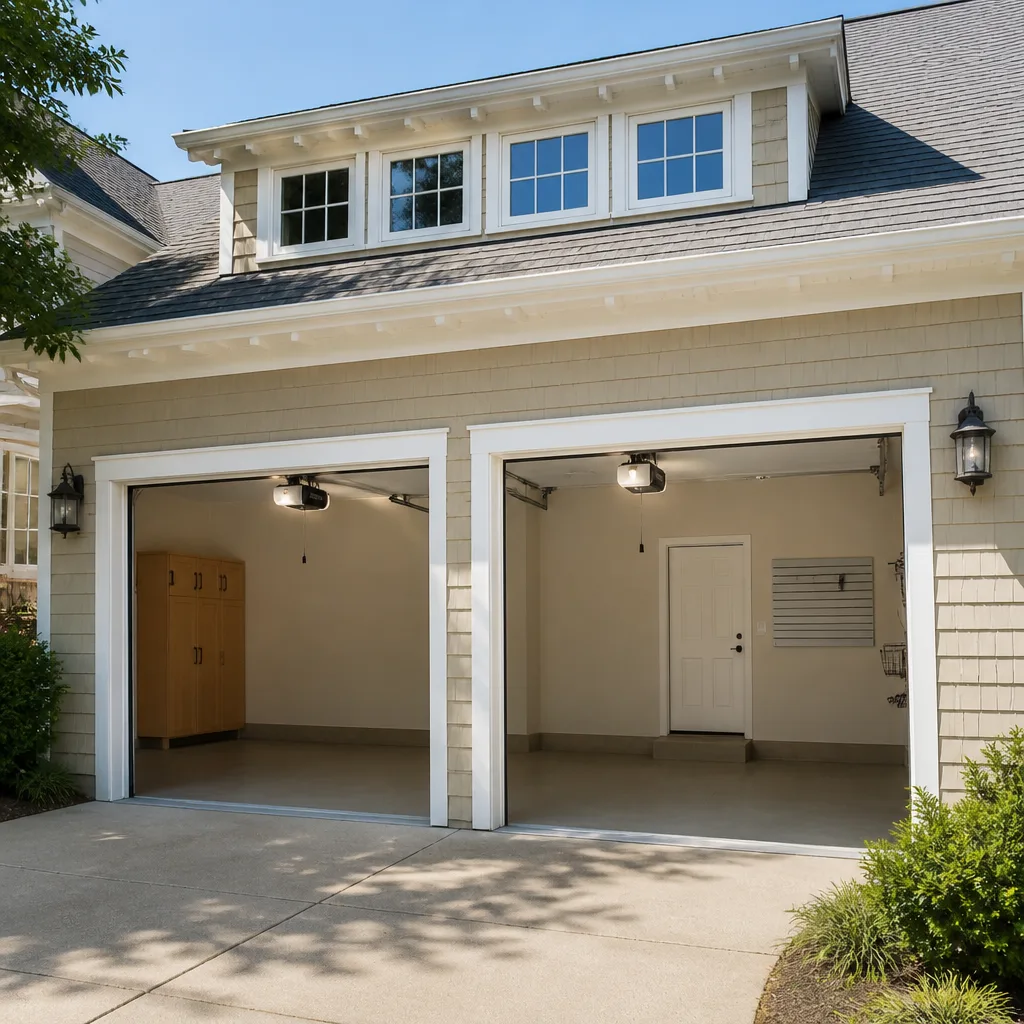 Chamberlain openers
Full 25-point door and opener safety check with every visit - springs, cables, rollers, tracks, and your LiftMaster or Chamberlain opener included
You get a price before we start. It does not change when the pro arrives.
Get your free estimateSeasonal Garage Door Care for Aurora: Year-Round Homeowner’s Guide
If your garage door maintenance plan is “do something in spring and something in fall,” you’re reacting to damage Aurora’s climate already finished inflicting. The homeowners who never make emergency calls aren’t luckier. They’re doing the right task at the right point in the damage cycle, not after it. Aurora runs its doors through four genuinely different stress profiles each year: a deep-freeze winter, a wet freeze-thaw spring, a humid summer, and a windy, debris-heavy fall. Each one attacks a different part of the system. This guide treats each season as its own damage profile with its own task list, so you’re working ahead of the weather instead of paying for it later.
Quick Answer
Seasonal garage door care in Aurora means matching the task to the season: winterize the door before the first hard freeze (around 20°F sustained overnight), audit springs, tracks, and seals in spring after freeze-thaw cycles, address humidity-driven wood swelling and opener drift in summer, and close out in fall with lubrication, balance checks, and weatherstripping before the next freeze. Each season stresses the door differently, so the work isn’t the same every time. A 12-month log ties it all together and documents your maintenance for warranty and resale.
Styles & brands we work with
- Raised-panel steel
- Carriage house
- Modern flush
- Full-view glass
- LiftMaster openers
- Chamberlain openers
Table of Contents
- How Aurora’s Climate Stresses a Garage Door
- Winter Prep: The Tasks That Must Happen Before the First Hard Freeze
- Spring Audit: Reading Post-Freeze Damage Correctly
- Summer Focus: Humidity, Wood Swelling, and Opener Drift
- Fall Close-Out: Three Tasks That Decide Whether the Door Survives Winter
- Building a 12-Month Maintenance Log
- Common Mistakes to Avoid
- When to Call a Professional
How Aurora’s Climate Stresses a Garage Door
Aurora sits in northern Illinois, which means real winters, real freeze-thaw cycling, and humid summers. That combination does specific things to a garage door that a mild-climate homeowner never deals with.
Winter cold contracts metal. Springs, tracks, hinges, and rollers all shrink slightly as temperatures drop, and the door’s balance changes with them. The freeze-thaw cycle of late winter and early spring is rougher still: water gets into seams and seals, freezes, expands, and pries things apart. By the time spring arrives, the door has been through dozens of expansion-contraction cycles you never noticed.
Summer brings the opposite problem. Humidity swells wooden door panels and frames, which throws off alignment and can bind rollers in their tracks. Heat also affects openers and photo-eye sensors in ways that produce intermittent failures – the door works all morning and then refuses to close at 4pm.
Fall is the transition. Wind carries debris into tracks, temperatures swing, and everything that loosened over the summer gets tested. In our experience across Aurora, the doors that fail in January are almost always the ones that got no attention in October. The seasonal sections below are built around these four distinct profiles, and they’re why a once-a-year tune-up simply doesn’t cover a door here.
If you’d rather have a specialist handle the seasonal baseline while you handle the small checks, our Flagship Garage Door Repair team works on doors and openers from Genie, Clopay, Amarr, and Wayne Dalton every week.
Winter Prep: The Tasks That Must Happen Before the First Hard Freeze
Winter prep needs to be finished before sustained overnight temperatures hit roughly 20°F, not after the first real cold snap. The exact date varies year to year, but the trigger is temperature, not the calendar. Waiting until December is a mistake; by then the door’s been through freeze cycles that lock in small problems.
Here’s what to do before that threshold:
- Lubricate the moving parts with cold-rated lubricant. Standard grease thickens in cold and can cause sluggish operation. A cold-rated lubricant keeps hinges, rollers, and the torsion spring area functioning smoothly when temps drop.
- Inspect and replace weatherstripping. The bottom seal is the door’s first line of defense against cold air and moisture. A cracked or hardened seal lets in both, and moisture at the threshold is what freezes and causes bigger issues.
- Test the door’s balance manually. Disconnect the opener (pull the release cord) and lift the door halfway. It should stay put. If it drops or rises on its own, the springs are out of balance and need professional attention before winter load.
- Check the tracks for tightness and alignment. Cold contracts metal. Loose track bolts become looser and misaligned tracks bind rollers when the door’s under cold stress.
- Verify the opener’s force settings. Cold increases resistance. If the opener’s force limit is set too close to the door’s normal resistance, it may reverse in cold weather and appear to “fail” when it’s actually just undersized for winter conditions.
- Clear the threshold area. Ice and snow accumulation at the door base can prevent full closure and stress the bottom seal.
The temperature threshold matters because the freeze is what does the damage. Once the ground and seals freeze, small gaps become bigger ones and the window for proactive work closes. If you want a trained eye on the balance and spring condition before the season, a free estimate from Flagship Garage Door Repair in Aurora is a reasonable first step.
Spring Audit: Reading Post-Freeze Damage Correctly
Spring is when you find out what winter did. The audit’s purpose is to separate real damage from cosmetic wear, so you don’t replace things that are fine or ignore things that aren’t.
What to look for seriously:
- Gaps in the torsion spring’s coils. A spring that’s stretched or shows gaps between coils is under stress and may be near failure. Springs are the single most important component to assess after a hard winter.
- Bent or misaligned tracks. Look down the length of each track from a standing position. Freeze-thaw can push a track slightly out of true, and a bent track accelerates roller wear.
- Cracked or compressed bottom seals. Compression is normal; visible splitting or a seal that no longer touches the floor isn’t.
- Loose hinges and worn rollers. Cold cycling loosens fasteners and wears roller bearings faster than mild weather would.
- Rust or corrosion at the bottom panel. Moisture at the threshold over winter is the usual culprit.
What to ignore (or just monitor):
Surface scuffs on the bottom panel, minor paint fading, and small dents that don’t affect operation aren’t structural problems. Cosmetic wear can wait. The audit should focus your spending on the parts that keep the door safe and functional.
A spring showing stress should not be adjusted or touched by a homeowner. Torsion springs are under extreme tension, and a failed spring can cause serious injury. This is genuinely dangerous work; call a trained technician. The spring is also the part where a small problem compounds fastest, so addressing it in spring is far better than discovering it in July. Our garage door repair service covers exactly this kind of post-winter assessment.
Summer Focus: Humidity, Wood Swelling, and the Failures Nobody Talks About
Summer is the season homeowners assume is easiest on a garage door. It isn’t. Aurora’s humid summers create three failure modes that rarely get addressed until they cause a problem.
Wooden door swelling
Wood absorbs moisture and expands, especially at panel seams and the door frame. Swollen panels can bind in the tracks and make the door heavier to lift. If you have a wood or wood-composite door, the signs to watch are panels that scrape, a door that feels tighter, and paint that bubbles at seams. Keeping the door sealed and painted matters more in a humid summer than in any other season.
Opener thermal expansion
Openers are mechanical and electrical devices, and heat affects both. The motor runs warmer, the internal components expand slightly, and the drive system’s tolerances shift. Symptoms include an opener that runs rough or sounds different in the heat and reheating itself after heavy use. In our experience, openers near the end of their life tend to show it first in summer heat, not winter cold. If your opener is struggling and it isn’t the door, it may need a dedicated look from an opener specialist. Our garage door opener repair service exists for exactly that.
Photo-eye alignment drift
The safety sensors at the door base are the summer failure nobody expects. Heat, humidity, and slight ground settling can shift a sensor by a fraction of an inch, which is enough to break the beam and stop the door from closing. If the door goes up fine but reverses or refuses to close, and the sensors have a blinking indicator, misalignment is the likely cause. Straightening and re-aiming the sensors solves it – but if it keeps happening, the mounting or wiring may need a check.
Fall Close-Out: Three Tasks That Decide Whether the Door Survives Winter
Fall isn’t a full maintenance season. It’s a close-out: three specific tasks determine whether the door goes into winter in a condition that can survive the cold. Everything else can wait.
- Lubricate and check balance. The single most important fall task. Proper lubrication with cold-rated product and a balance check that confirms the springs hold the door tell you whether winter load will be safe. If the door springs up or drops on a balance test, don’t wait.
- Inspect and seal the weatherstripping. The bottom seal and perimeter seals are what keep cold air, moisture, and pests out. Replace failing seals before the freeze, not after.
- Tighten hardware and clear the tracks. Wind blows debris into tracks through fall. Loose bolts tighten now are bolts that won’t work free in winter contraction. A clean, tight track runs smoother when it’s cold.
The product category to avoid: heavy universal kits and “all-in-one” hardware packs marketed aggressively in October. They’re tempting because they promise to fix everything at once, but they often include parts that don’t match your door’s make and model. Your door was engineered with specific spring, roller, and hinge dimensions. A generic kit can introduce mismatched parts that wear faster or bind. Match your door’s brand and model with the right components instead. If you’re not sure what you have, the brand on the door or opener is the starting point – we work with Genie, Clopay, Amarr, Wayne Dalton, and four other major brands.
Building a 12-Month Maintenance Log
A maintenance log isn’t paperwork for its own sake. It builds a documented trail that supports warranty claims and gives a future buyer a record of care. If you sell the home, a log showing regular seasonal maintenance is evidence the door was maintained, not neglected.
Here’s how to structure it so it’s actually useful:
- Record the basics once. Door brand, model, size, spring type, and opener make and model. This is the reference sheet for every future decision. We work on eight of the most widely installed brands, so having that information ready makes any service visit faster.
- Date every seasonal task. Record what you did and when: lubricated (winter), audited springs (spring), checked sensors (summer), sealed and tightened (fall). Dates matter if a problem surfaces later.
- Log every professional visit. Note the date, what was found, what was replaced, and any part numbers. This is the warranty trail.
- Photograph significant changes. A photo of the springs and tracks each spring gives you a visual comparison year over year. It’s how you catch slow deterioration.
- Keep the log with the home’s documents. If you sell, it goes with the disclosure packet.
For Aurora homeowners who work with us, keeping a log of the written estimates alongside your own notes is the simplest documentation system. It’s the kind of record that pays off at warranty time or at closing.
Common Mistakes to Avoid
- Treating spring and fall tune-ups as sufficient. In Aurora’s climate, the freeze-thaw cycles and humid summers create problems a twice-a-year schedule misses. Seasonal tasks need to match the seasonal stressor, not just tick a calendar box.
- Waiting until December to winterize. By then freeze cycles have already done their damage. The trigger is temperature, not the calendar month.
- Ignoring a door that “sometimes” fails. An opener that works most mornings and fails some is telling you a force setting, a sensor, or a balance issue is marginal. Marginal failures become permanent ones.
- Buying generic all-in-one hardware kits. The October marketing push is heavy. Mismatched parts wear faster and can bind a door. Match your door’s make and model.
- Adjusting torsion springs yourself. A torsion spring holds an energy load that can cause severe injury. This is a professional job, every time.
- Forgetting the opener is a precision system. Many homeowners treat opener problems as door problems. A specialist who works on openers as their own category diagnoses them correctly the first time.
- Skipping the maintenance log. Without records, a warranty claim becomes harder to prove and a resale disclosure looks thinner. The log takes minutes per season.
When to Call a Professional
Some seasonal tasks are genuinely homeowner-safe: lubricating hinges and rollers, clearing tracks, checking photo-eyes with a visual inspection, and testing balance by hand. Others aren’t, and the line is clear. Call a professional when a spring shows gaps or a door won’t stay put on a balance test, when a door comes off its tracks or won’t open, when the opener fails consistently or makes new noises, when a wood door swells and binds, or when you can’t identify the source of a problem. Because we specialize exclusively in garage doors, we also work on brands most handymen won’t touch – Genie, Clopay, Amarr, and Wayne Dalton among them. Flagship Garage Door Repair offers free estimates in Aurora – call (866) 983-4312.
We answer 24/7. Fast dispatch from 7am to 7pm, Sunday through Friday.
See the difference
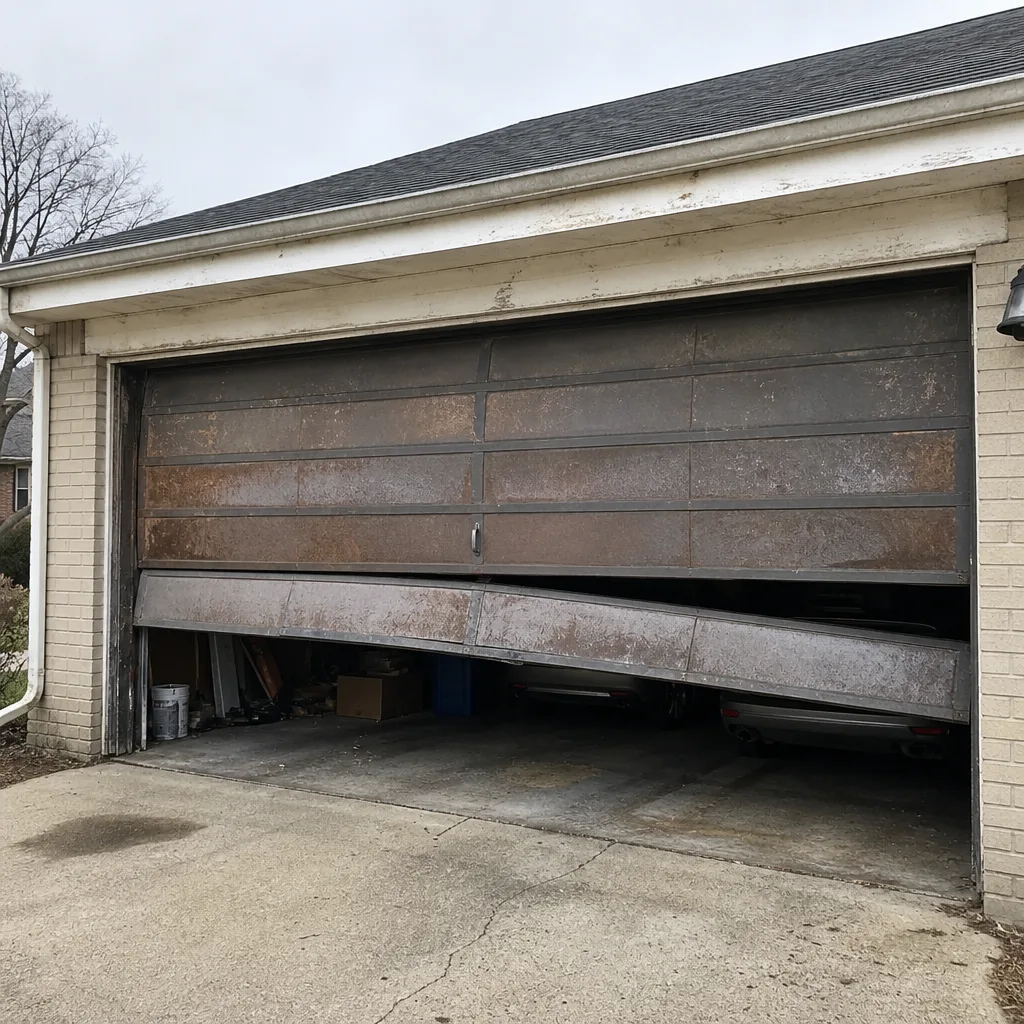 Before
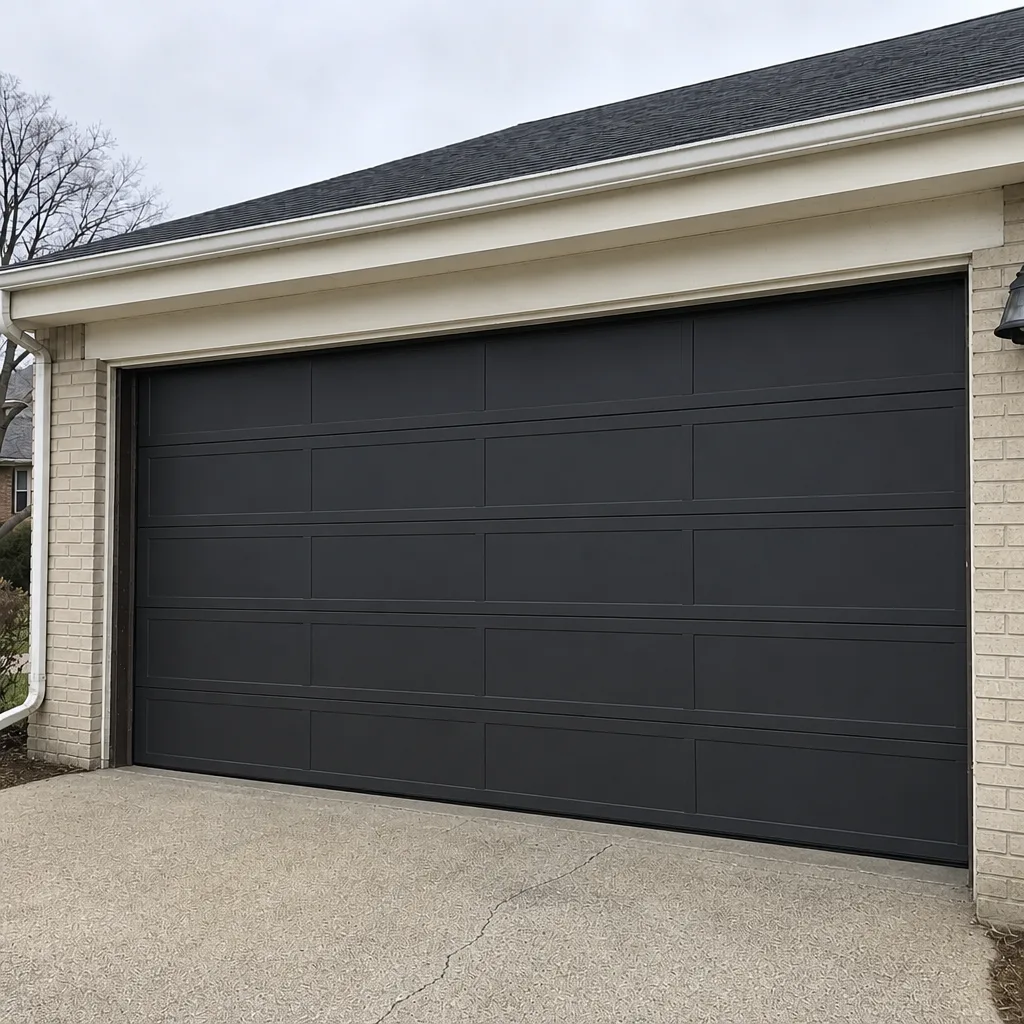 After
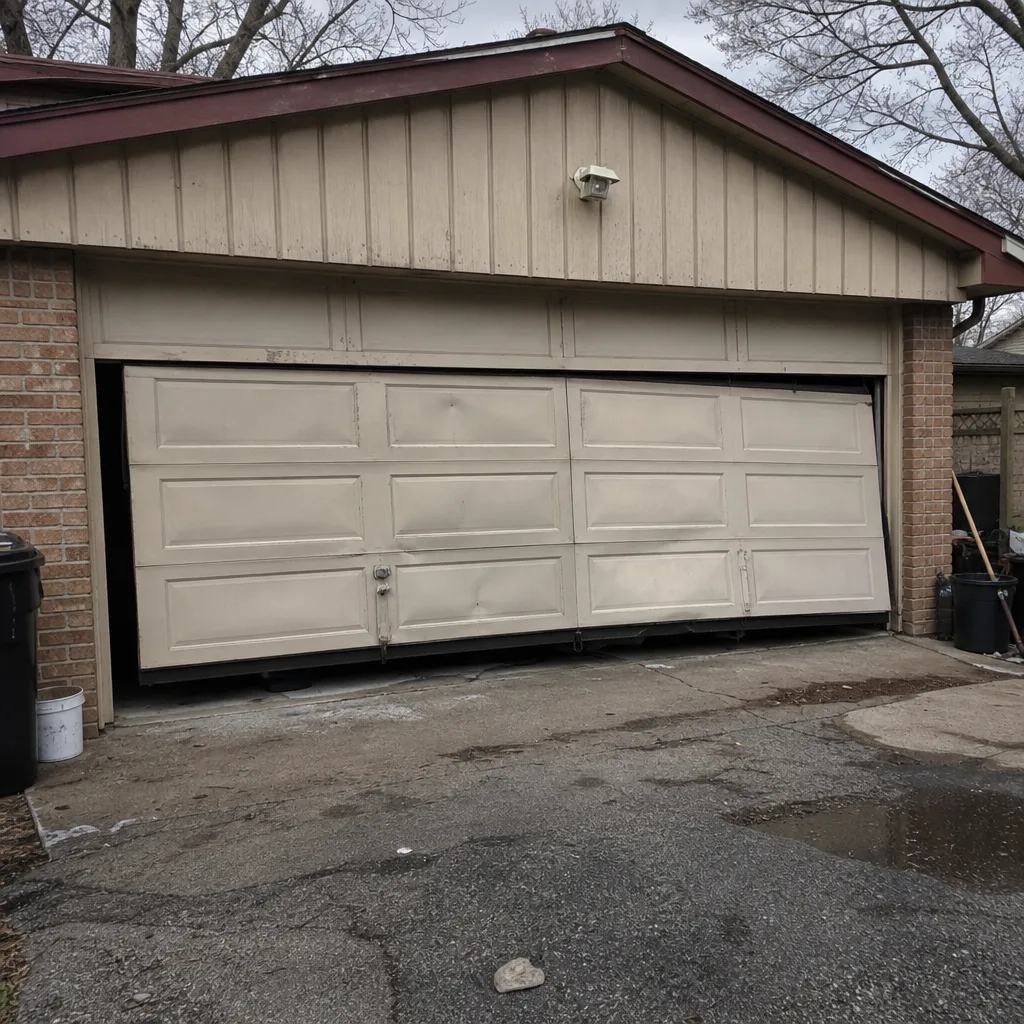 Before
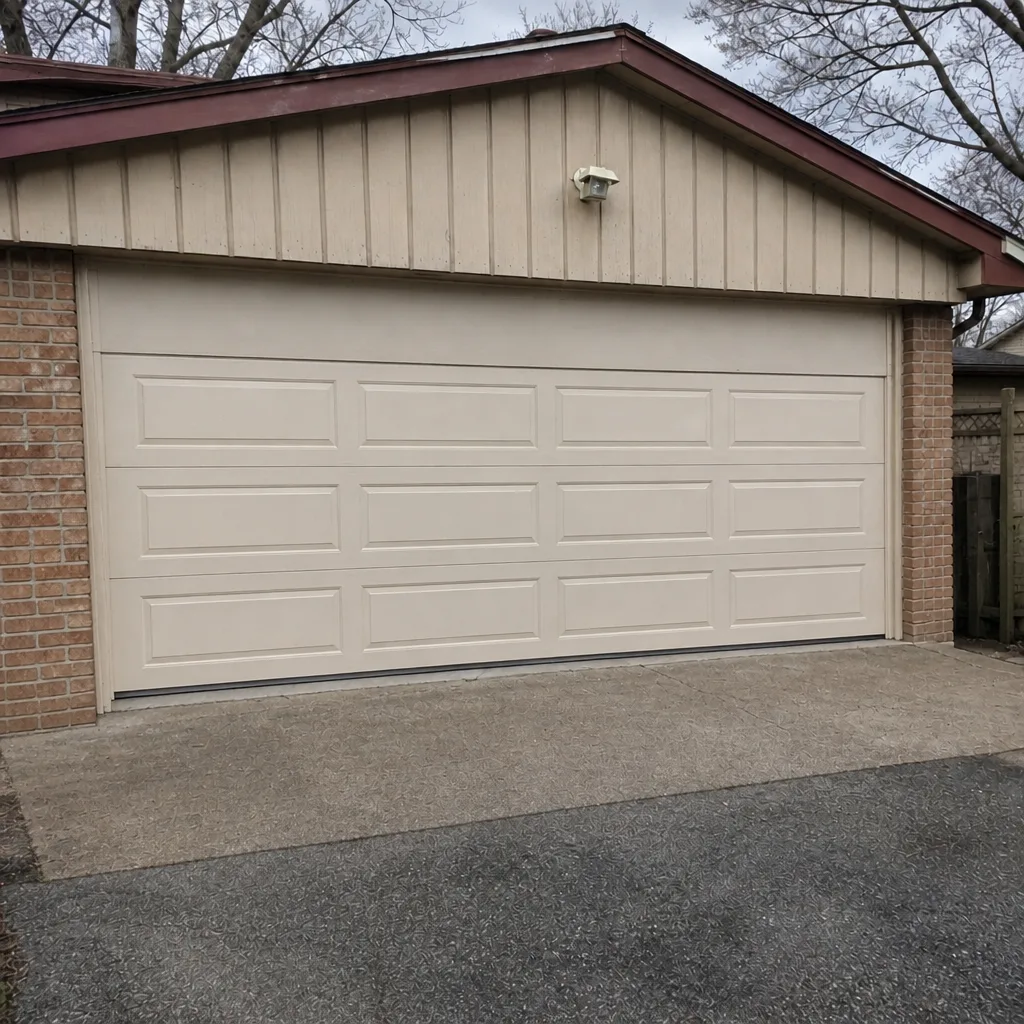 After
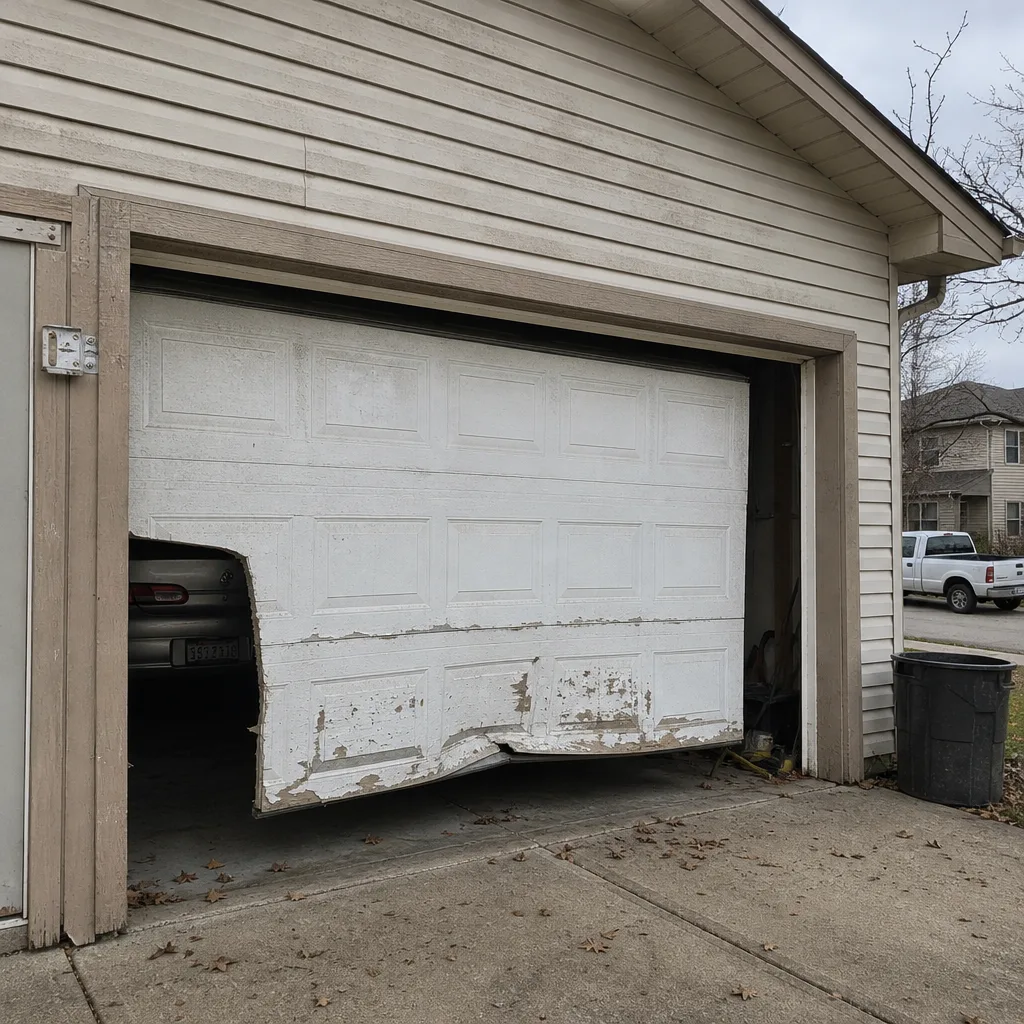 Before
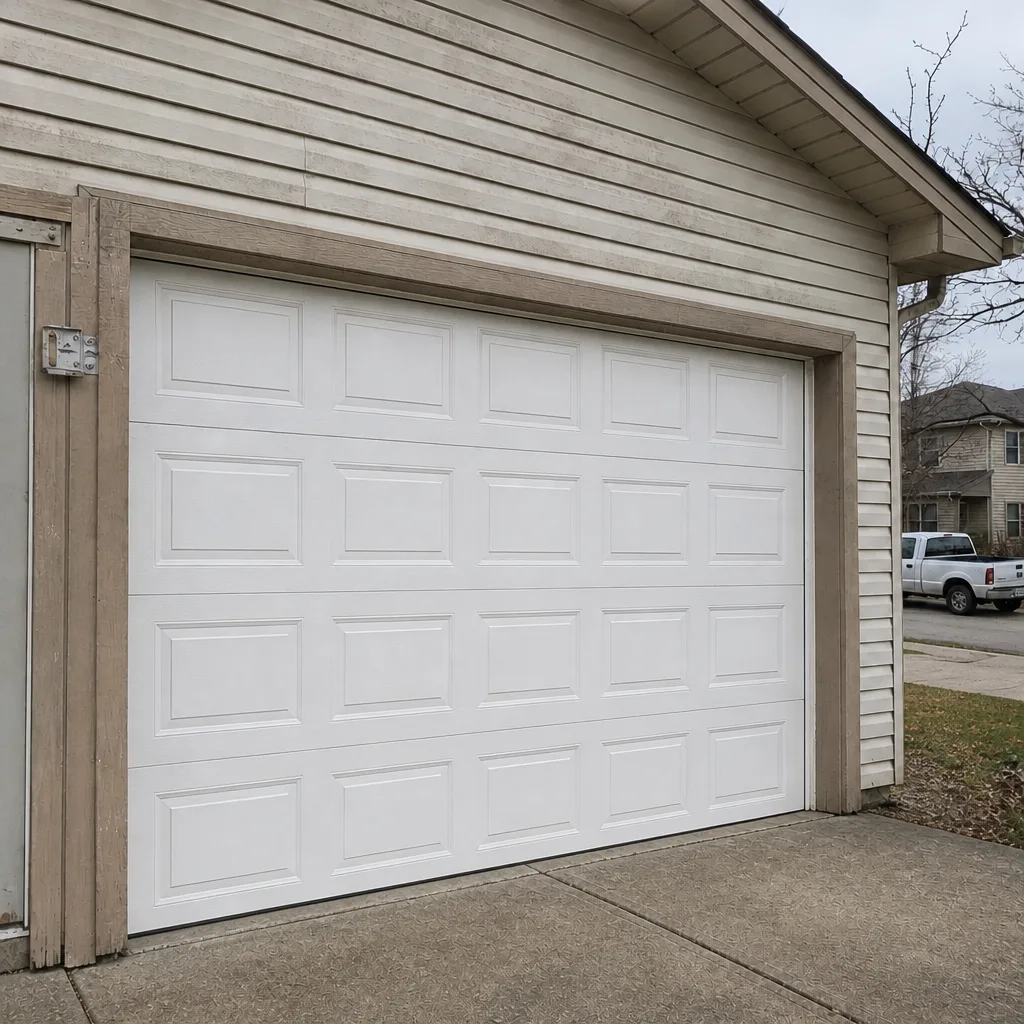 After
Frequently Asked Questions
At least twice a year with a seasonal check, but Aurora’s climate rewards more attention than that. Winter prep before the first hard freeze, a spring post-freeze audit, a summer check for sensor drift and wood swelling, and a fall close-out cover the four distinct stress profiles the door goes through here. Spring and fall alone miss the summer failures that cause opener and sensor problems. Call (866) 983-4312 for an exact quote – estimates are free.
Have winter prep finished before sustained overnight temperatures hit roughly 20°F. The exact date varies year to year, but the threshold is what matters, not the calendar. Once the ground and seals freeze, the window for proactive work closes and small gaps become bigger ones. Call (866) 983-4312 for an exact quote – estimates are free.
No. Torsion springs are under extreme tension, and a failed spring can cause severe injury. A trained technician should handle any spring adjustment, replacement, or balance correction. A homeowner can and should test balance by hand with the opener disconnected – that tells you if something’s wrong without you touching the spring. Call (866) 983-4312 for an exact quote – estimates are free.
Summer failures usually trace to three things: humidity swelling wooden door panels so they bind in the tracks, heat affecting opener tolerances, and photo-eye sensors drifting out of alignment from ground settling or temperature movement. If the door goes up fine but reverses on the way down, check the sensors first. Call (866) 983-4312 for an exact quote – estimates are free.
No. The written estimate we give you before work starts sets the price, and that’s the number you pay. Seasonal maintenance and repair are quoted per job based on what the door actually needs, and we confirm everything with you before we begin. Call (866) 983-4312 for an exact quote – estimates are free.
Our technicians are trained on the major garage door and opener brands, including Genie, Clopay, Amarr, and Wayne Dalton, and have up to 10 years of experience. They arrive already familiar with your specific system rather than learning on the job. We can discuss credential details when you call. Call (866) 983-4312 for an exact quote – estimates are free.
The Bottom Line
Aurora’s climate doesn’t have one garage door season. It has four, and each one stresses a different part of the system. Winter contraction, spring freeze-thaw, summer humidity and heat, and fall wind all need their own response. The homeowners who avoid emergency calls aren’t doing more – they’re doing the right task at the right point in the damage cycle. Winterize before the hard freeze, audit in spring, watch the summer failures nobody talks about, and close out in fall with lubrication, seals, and tightened hardware. Log every task, and the record protects your warranty and your resale.
Call (866) 983-4312. We answer 24/7. Fast dispatch from 7am to 7pm, Sunday through Friday.
Written by the team at Flagship Garage Door Repair.