
Last updated November 15, 2026
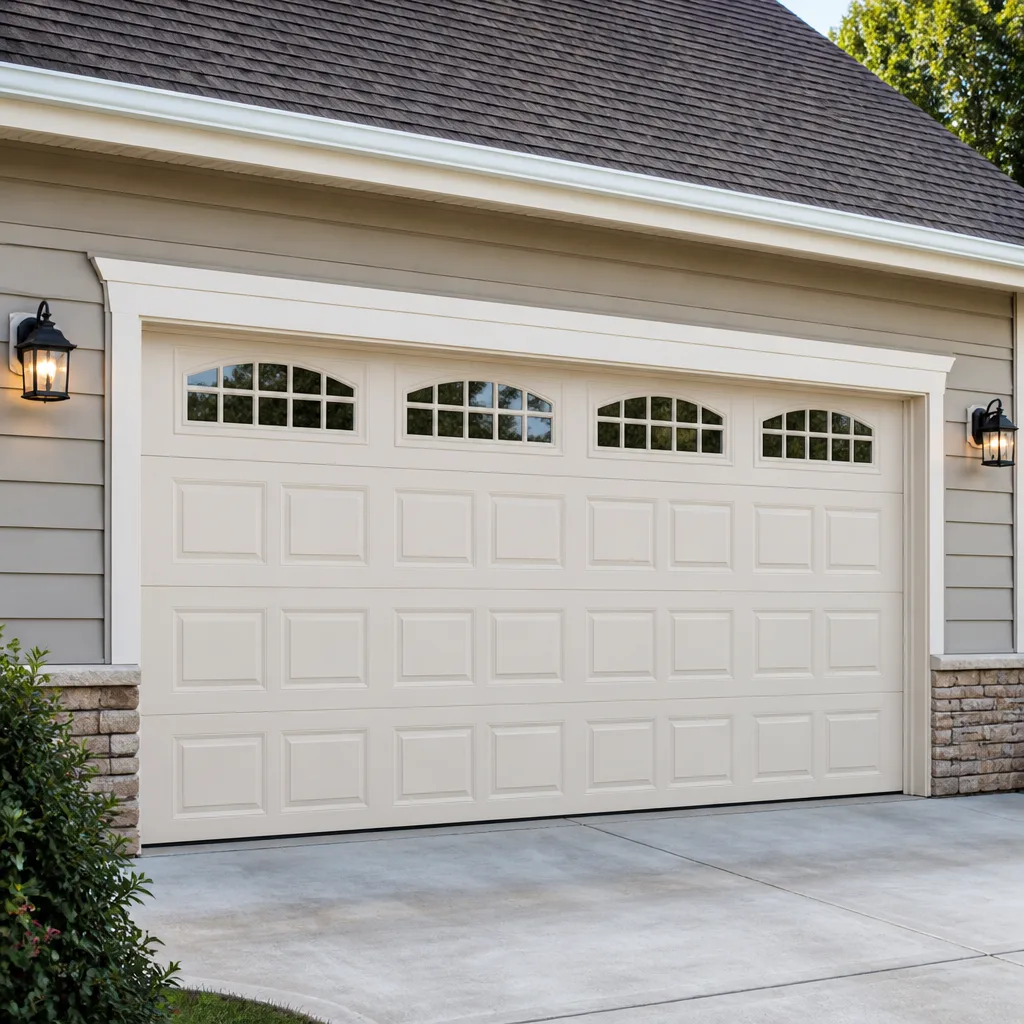 Raised-panel steel
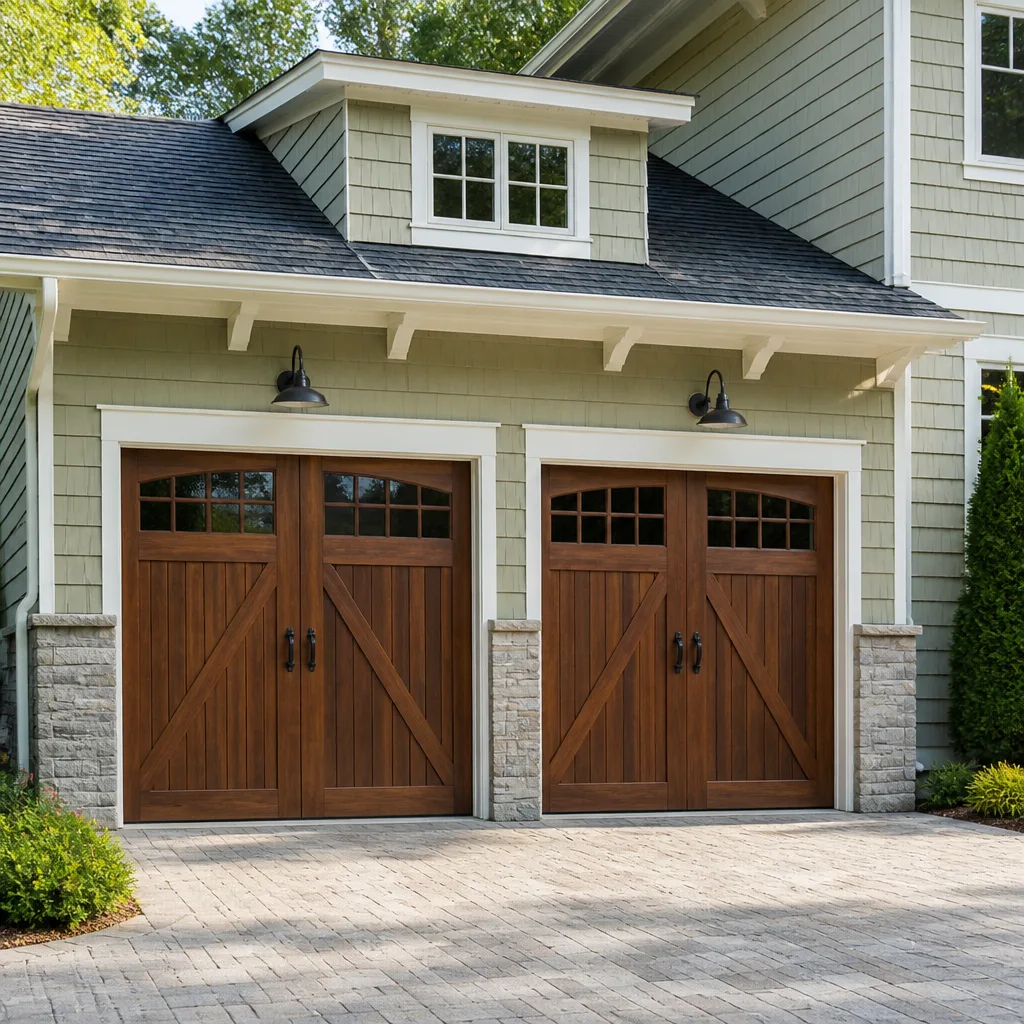 Carriage house
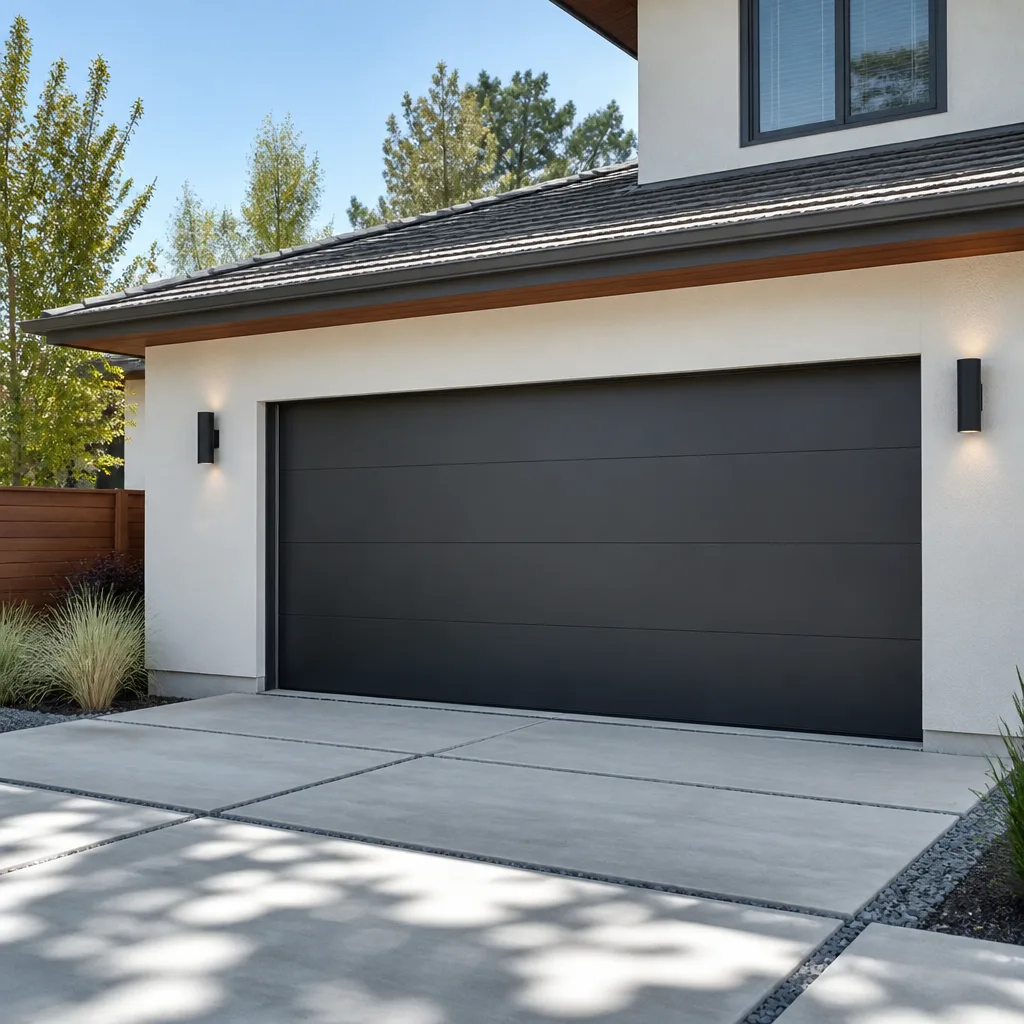 Modern flush
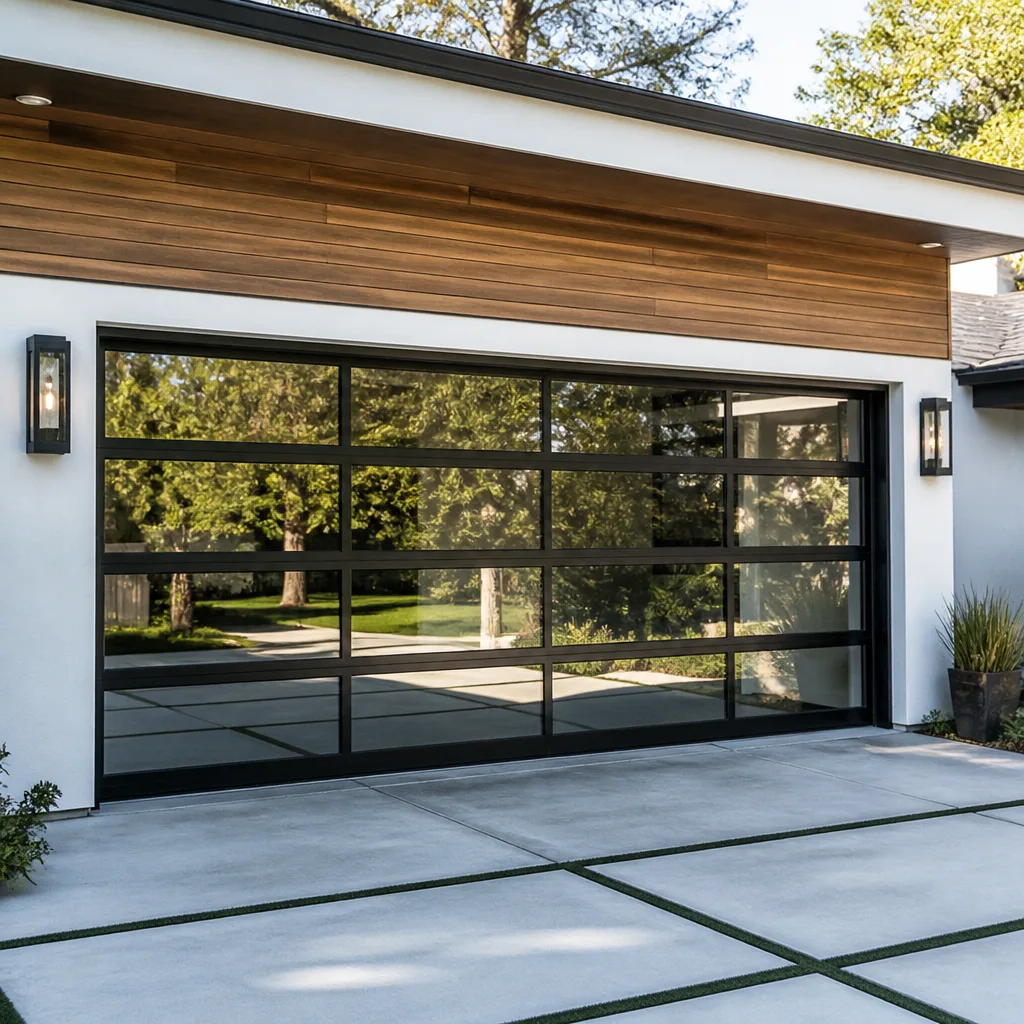 Full-view glass
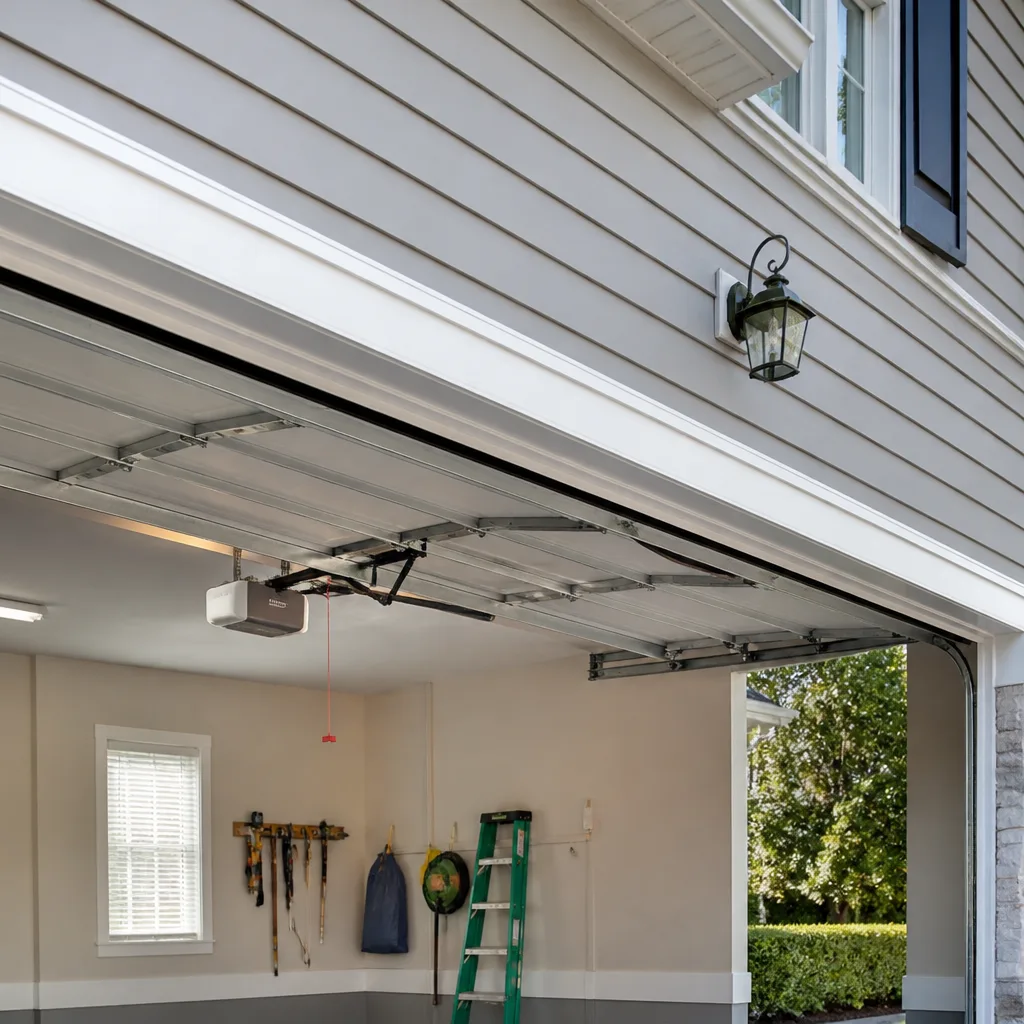 LiftMaster openers
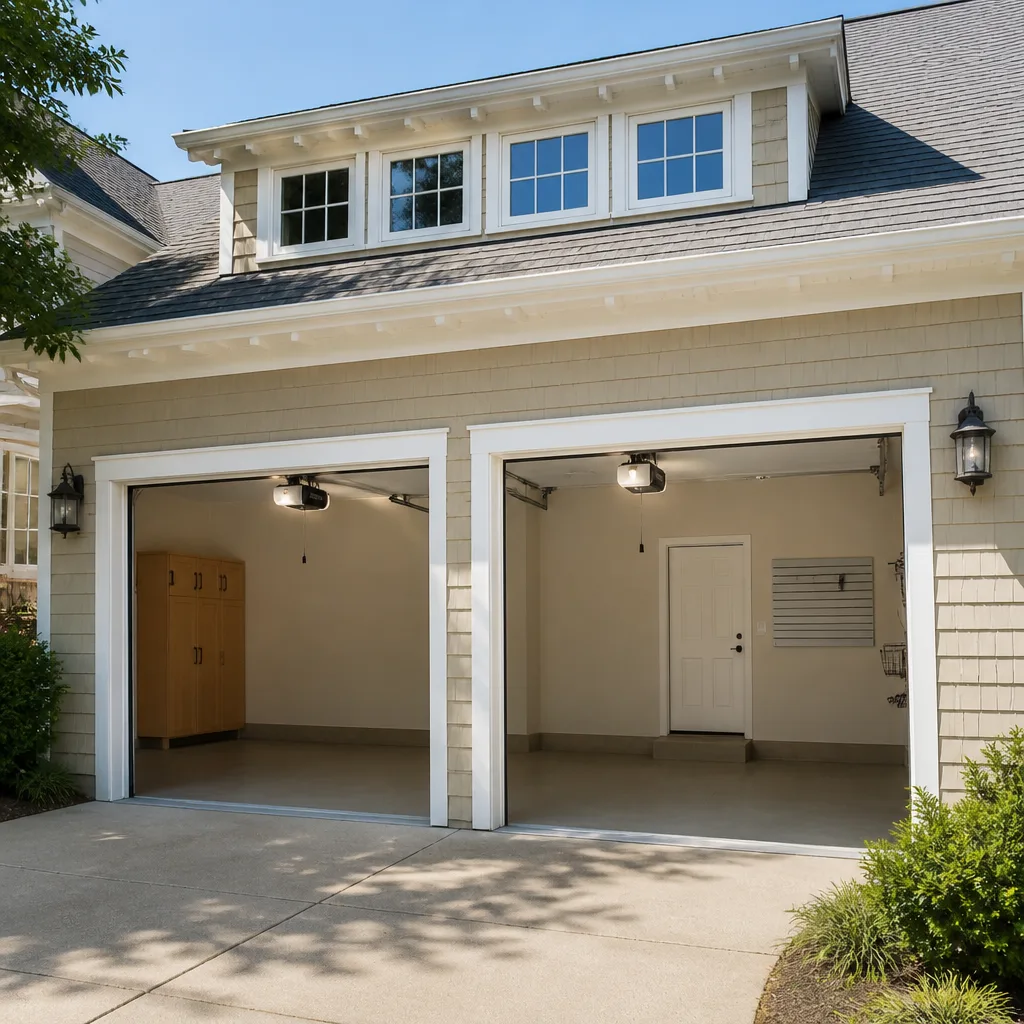 Chamberlain openers
Full 25-point door and opener safety check with every visit - springs, cables, rollers, tracks, and your LiftMaster or Chamberlain opener included
You get a price before we start. It does not change when the pro arrives.
Get your free estimateThe Complete Guide to Garage Doors in Aurora
Most “complete guides” to garage doors are product catalogs with a city name dropped in. That approach costs Aurora homeowners money. A door rated for a mild climate can underperform in a place where temperatures swing hard between January and July, and a spring sized for a lighter door can wear out early when the system has to work against real winter cold. This guide treats Aurora as the variable, not the backdrop. You’ll learn how the local climate, the housing stock, HOA review, permit triggers, and the shape of the local market all shape the right choice for your home. By the end you’ll know what to buy, what to skip, and when to call a specialist.
Quick Answer
The right garage door in Aurora depends less on brand than on three local factors: an insulated, weather-sealed door suited to hard freeze-thaw winters, an opener and spring setup sized for your specific door’s weight and your home’s framing, and a model that clears your HOA’s architectural review before you order. Buy for climate and fit first, style second. A specialist who knows the major brands – Raynor, LiftMaster, Chamberlain, Genie and others – can match a system to your home instead of selling you whatever is in stock.
Styles & brands we work with
- Raised-panel steel
- Carriage house
- Modern flush
- Full-view glass
- LiftMaster openers
- Chamberlain openers
Table of Contents
- How Aurora’s Climate Drives Every Door Decision
- What Aurora’s Housing Stock Means for Fit and Framing
- R-Value: What Actually Pays Off in Aurora
- HOA Review in Aurora Subdivisions: What They Really Check
- Permit Trigger Points Most Guides Never Mention
- Choosing and Maintaining an Opener in Aurora
- How to Read Aurora’s Garage Door Market
- Repair vs. Replace: Deciding What Your Door Needs
How Aurora’s Climate Drives Every Door Decision
Aurora sits in a cold continental climate with real seasonal swings. Summer heat and winter cold push a garage door through repeated expansion and contraction, and the freeze-thaw cycle works on every seam, seal, and moving part. That matters more here than in a mild market, because a door is a large moving assembly that has to stay aligned and sealed through both extremes.
What does that mean in practice? Three things stand out for Aurora homeowners:
- Seals and weatherstripping wear faster. The bottom seal and perimeter weatherstripping take the brunt of freeze-thaw. A brittle, cracked seal lets cold air and moisture in and lets conditioned air out.
- Metal components contract in deep cold. Springs, cables, and hinges are under load, and cold makes metal less forgiving. A spring that’s already near the end of its life is more likely to fail in a cold snap.
- Insulation does double duty. An insulated door keeps the garage warmer in winter and cooler in summer, which matters if the garage shares a wall with living space or holds a car, tools, or a workshop.
We’ve seen how a door that’s fine in a mild climate can feel drafty and stiff in an Aurora January. The fix isn’t exotic – it’s a properly sealed, insulated door with hardware maintained for the cold. If your current door rattles, drags, or lets in daylight around the edges, that’s the climate talking. A specialist can tell you whether the answer is new seals, a tune-up, or a replacement. If you need hands-on help, our garage door repair team works on the major brands found in Aurora homes every day.
What Aurora’s Housing Stock Means for Fit and Framing
Aurora’s residential mix leans heavily on ranch homes and two-car-garage colonials built from the 1960s through the 1990s, alongside newer subdivisions. That age range matters because garage dimensions, header clearance, and framing vary from decade to decade. A door that fits one home may not fit the one next door.
Here’s what we look at before recommending a door:
- Header clearance. The space above the opening determines whether a standard door fits or whether you need a low-headroom setup. Older ranches sometimes have tighter clearance than newer builds.
- Structural framing. The opening has to be square and sound. Sagging headers or rotted jambs change the job from a simple swap to a structural repair first.
- Door weight and spring sizing. A heavier insulated door needs springs sized to its weight. Putting a heavy door on springs meant for a light one shortens their life and strains the opener.
- Opener compatibility. Your existing opener has to be able to lift the new door’s weight, or it needs to be matched to it.
In our experience, the homes where a “drop-in” replacement goes wrong are the ones where nobody measured the header or checked the framing. A proper measure catches that before you order. For a two-car colonial in an older Aurora neighborhood, we’ve seen how getting the spring and opener matched to the door’s real weight is the difference between a smooth decade and a string of callbacks. That’s the kind of detail a specialist checks and a generalist often skips.
R-Value: What Actually Pays Off in Aurora
R-value is a measure of how well a door resists heat flow. Higher is better, but past a point you’re buying marketing, not savings. In a cold climate like Aurora’s, insulation matters – but the right threshold depends on whether your garage is conditioned or attached to living space.
Think about it in tiers:
- Uninsulated or lightly insulated doors suit a detached, unheated garage where you only store the car and lawn gear. There’s little conditioned air to protect.
- Moderately insulated doors make sense for an attached garage that shares a wall with the house, especially one over a bedroom or living area. They cut drafts and help the adjoining rooms stay comfortable.
- Highly insulated doors pay off when the garage is used as a workshop, a gym, or a semi-conditioned space, or when you want the quietest, most solid-feeling door.
The honest answer is that a very high R-value on a detached, unheated garage in Aurora is usually money that would be better spent on a better seal and proper installation. Insulation only performs if the door is installed with tight weatherstripping and a good bottom seal. A poorly sealed high-R door leaks more than a well-sealed moderate one. Ask what the R-value actually protects in your setup before you pay a premium for it.
HOA Review in Aurora Subdivisions: What They Really Check
Many Aurora subdivisions have architectural review requirements, and the gap between what an HOA says it reviews and what it actually approves trips up plenty of homeowners. Getting the door right means understanding that gap before you order.
What HOAs typically claim to review: color, style, and overall appearance.
What they often actually scrutinize:
- Color match to the existing palette. A shade that’s “close” can get rejected. Get the exact color approved in writing.
- Window and panel configuration. Some associations restrict window styles or panel patterns to keep the streetscape uniform.
- Material and finish. Steel vs. wood-look vs. aluminum can matter depending on the subdivision’s design guidelines.
- Submission paperwork and timelines. Missing a form or submitting after the deadline sends you back to the start.
How to get approval without starting over:
- Request the association’s current architectural guidelines in writing before you shop.
- Get the exact model and color number from the manufacturer, not a photo.
- Submit the full packet – spec sheet, color sample, and installation details – in one go.
- Keep the written approval on file until the door is installed and inspected.
The homeowners who avoid delays are the ones who treat HOA review as a step, not an afterthought. If you’re planning a new door, our garage door opener repair and installation specialists can help you line up a model and spec sheet that’s ready for review.
Permit Trigger Points Most Guides Never Mention
Not every garage door job needs a permit, but some do, and the trigger points aren’t always obvious. Most Aurora-area guides skip this entirely, which leaves homeowners exposed when a project stalls or a sale inspection turns up an issue.
In general terms, these are the situations where you should check with your city’s building department before work starts:
- Structural changes to the opening. Widening, raising, or altering the header or framing is usually a permit item because it touches structure.
- Adding a new opening or converting a wall. Turning a solid wall into a garage door opening changes the structure of the home.
- Electrical work for a new opener. If a new opener requires new wiring or an outlet where none exists, that electrical piece may need a permit.
- Repairs after damage. If a door failure damaged framing or the header, the structural repair may trigger a permit even though the door swap itself wouldn’t.
A straight replacement of a like-for-like door on an existing opening often doesn’t require a permit, but “often” is not “always.” Requirements can vary, so the safe move is a quick call to your city’s building department with the specifics of your job. Ask what triggers a permit for your address and get the answer before you order. We don’t guess on permits – we point you to the authority that decides, because getting it wrong costs more than the call.
Choosing and Maintaining an Opener in Aurora
An opener is a precision mechanical system, not an accessory to the door. In Aurora’s cold winters, the opener works harder – lifting a heavier, stiffer door – so matching it to the door and maintaining it matters.
What to weigh when choosing or replacing an opener:
- Lifting capacity. The opener has to be rated for your door’s weight. An undersized opener strains and fails early.
- Drive type. Belt drives run quieter, which helps if a bedroom sits above the garage. Chain and screw drives are durable workhorses.
- Safety features. Modern openers include safety reversal and obstacle detection. These aren’t optional – they protect people and pets.
- Brand familiarity. LiftMaster, Chamberlain, Genie and similar major brands are widely installed in Aurora homes, which makes parts and service straightforward.
Maintenance that pays off here:
- Test the safety reversal periodically by placing an object in the door’s path.
- Keep the tracks clean and the rollers and hinges lightly lubricated.
- Listen for new noises – grinding, straining, or uneven travel are early warnings.
- Have the opener checked when you replace the door, since the load changes.
When an opener starts behaving oddly, the cause is often specific to the make and model. Our opener specialists diagnose by brand rather than applying a one-size-fits-all fix. For a focused look at the Aurora market, see our Aurora page.
How to Read Aurora’s Garage Door Market
Aurora homeowners have a few types of providers to choose from, and understanding the difference helps you pick the right one for the job.
- Generalist handymen and multi-trade companies. They may take garage door calls alongside plumbing, HVAC, or general repairs. The work can be fine for a minor adjustment, but garage doors are rarely their focus, and they may lack the brand-specific parts and training for a complex opener or a heavy door.
- Big-box and online sellers. Good for buying a door, but installation and service are usually handled by whoever you hire separately, which splits responsibility if something goes wrong.
- Pure-play garage door specialists. Their entire operation is built around doors and openers. They know the major brands, carry the right parts, and can handle everything from a snapped spring to a new door.
What a specialist offers that a generalist structurally can’t: brand-matched diagnostics, the right spring and opener sizing for your specific door, and a single point of accountability from repair through installation. Flagship Garage Door Repair is built this way on purpose – three services only, all of them garage doors. Our technicians have up to 10 years of experience and are trained on LiftMaster, Chamberlain, Genie, Clopay, Amarr, Wayne Dalton, Craftsman, and Raynor. If you want to know what to look for, reading reviews on our main Flagship Garage Door Repair page is a reasonable start.
Repair vs. Replace: Deciding What Your Door Needs
Most homeowners face this question eventually: fix it or replace it. The answer depends on what’s failing and how much of the door’s life is left. Here’s a practical way to think it through.
Lean toward repair when:
- A spring, cable, roller, or hinge has failed but the door panels and structure are sound.
- The opener needs a fix but the door itself is in good shape.
- The door is out of alignment from a minor impact and can be realigned.
Lean toward replacement when:
- Panels are dented, rotted, or separating, or the door is generally worn out.
- You’re facing repeated repairs on an old door.
- You want insulation, quiet operation, or a look that matches an updated home.
- The framing is damaged and the opening needs structural work anyway.
Safety matters most here. Garage door springs and cables are under very high tension and can cause serious injury if handled without the right tools and training. Never try to adjust, remove, or replace a spring or cable yourself. A trained technician has the tools and knowledge to do it safely. The same goes for any electrical work on the opener or panel. If you’re unsure whether your door is a repair or a replacement, a professional can tell you quickly. Flagship offers free estimates in Aurora – call (866) 983-4312.
Common Mistakes to Avoid
- Buying for style over climate. A door that looks great but isn’t insulated or sealed for Aurora winters will feel drafty and work its hardware harder. Match the door to the climate first.
- Paying for a high R-value on an unheated garage. If the garage isn’t conditioned, spend the premium on better sealing and installation instead. That’s where the real comfort gain lives.
- Skipping the HOA submission. Ordering before approval is the most common way to end up with a door you can’t install. Get written approval first.
- Assuming no permit is needed. Structural changes, new openings, or electrical work for an opener can trigger a permit. Check with the city’s building department before work starts.
- Putting a heavy door on light-duty springs. The springs and opener have to match the door’s weight, or both wear out early. Let a specialist size them.
- Hiring a generalist for a specialist job. A handyman may handle a minor fix, but brand-specific openers and heavy doors call for a garage door specialist.
- Ignoring a failing spring or fraying cable. These are safety items. A trained professional should inspect and replace them – don’t take the risk yourself.
See the difference
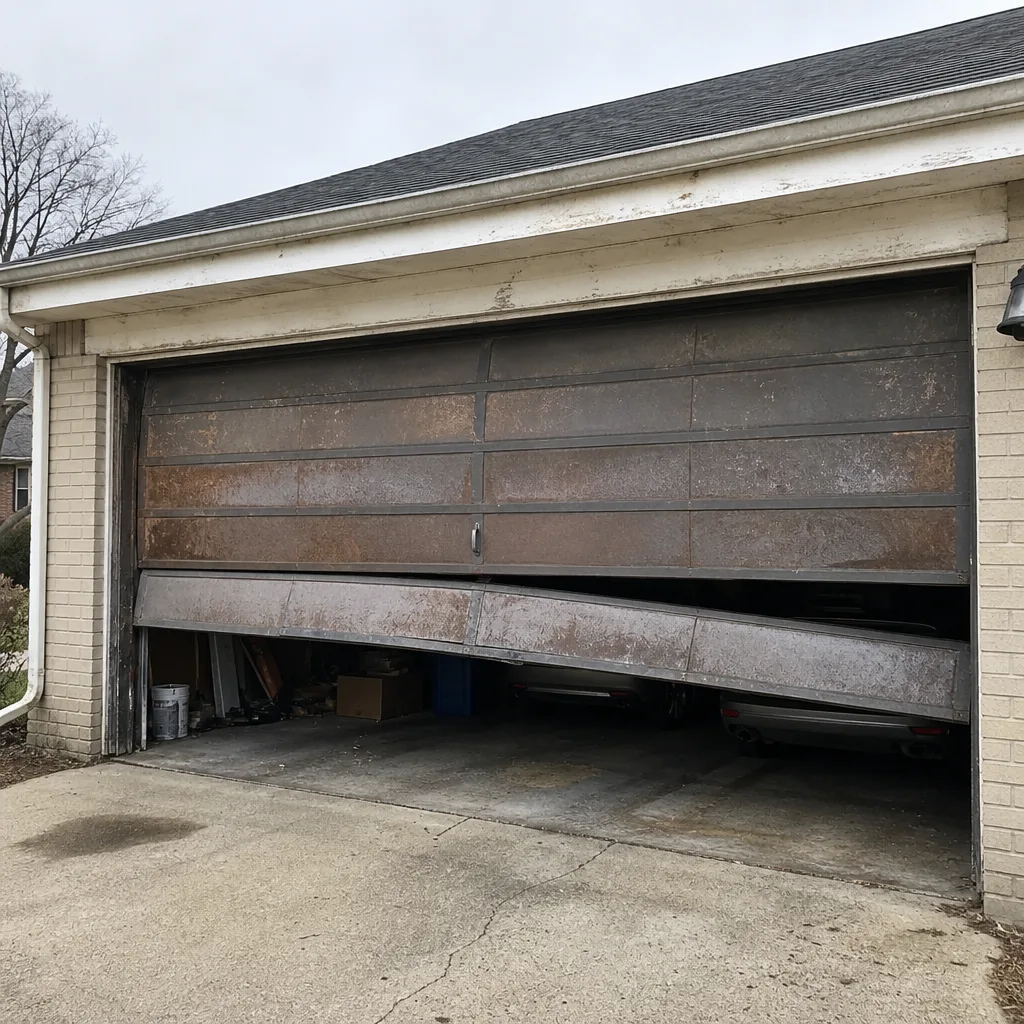 Before
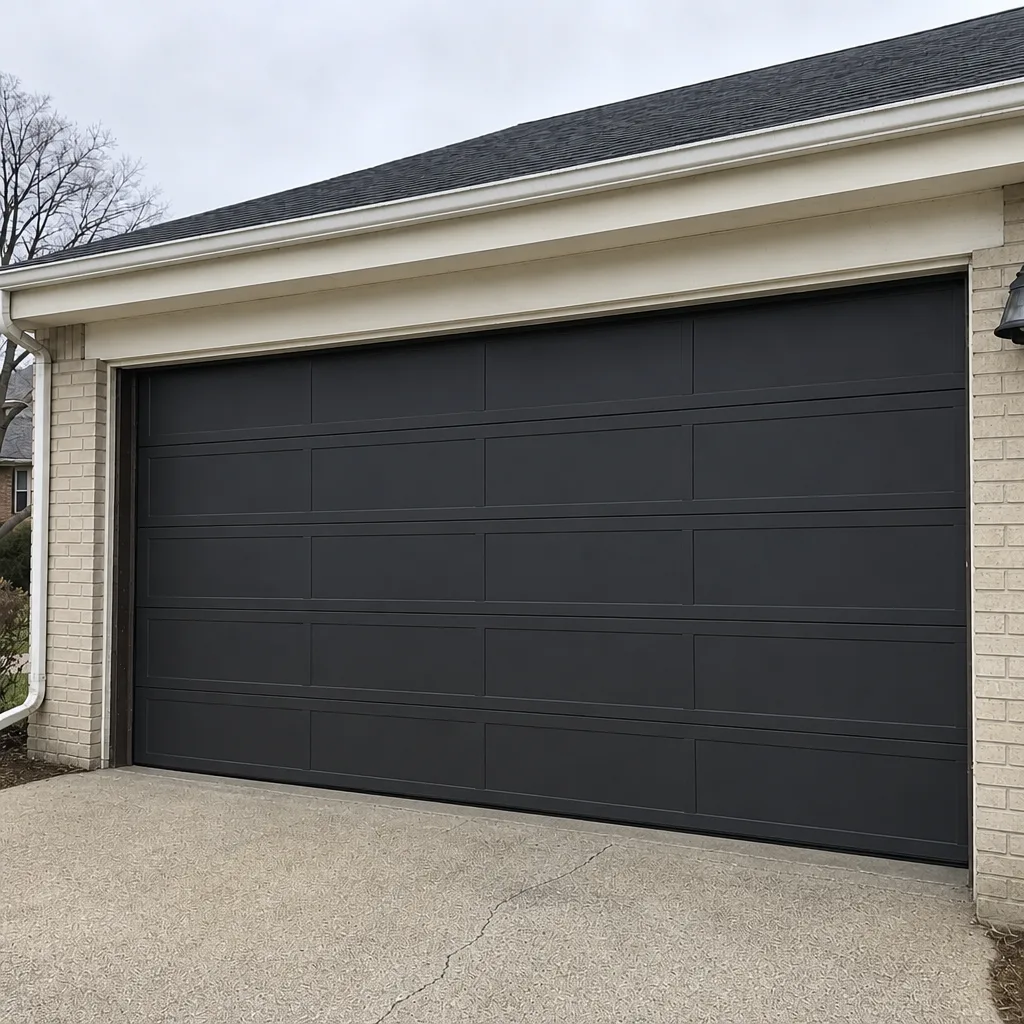 After
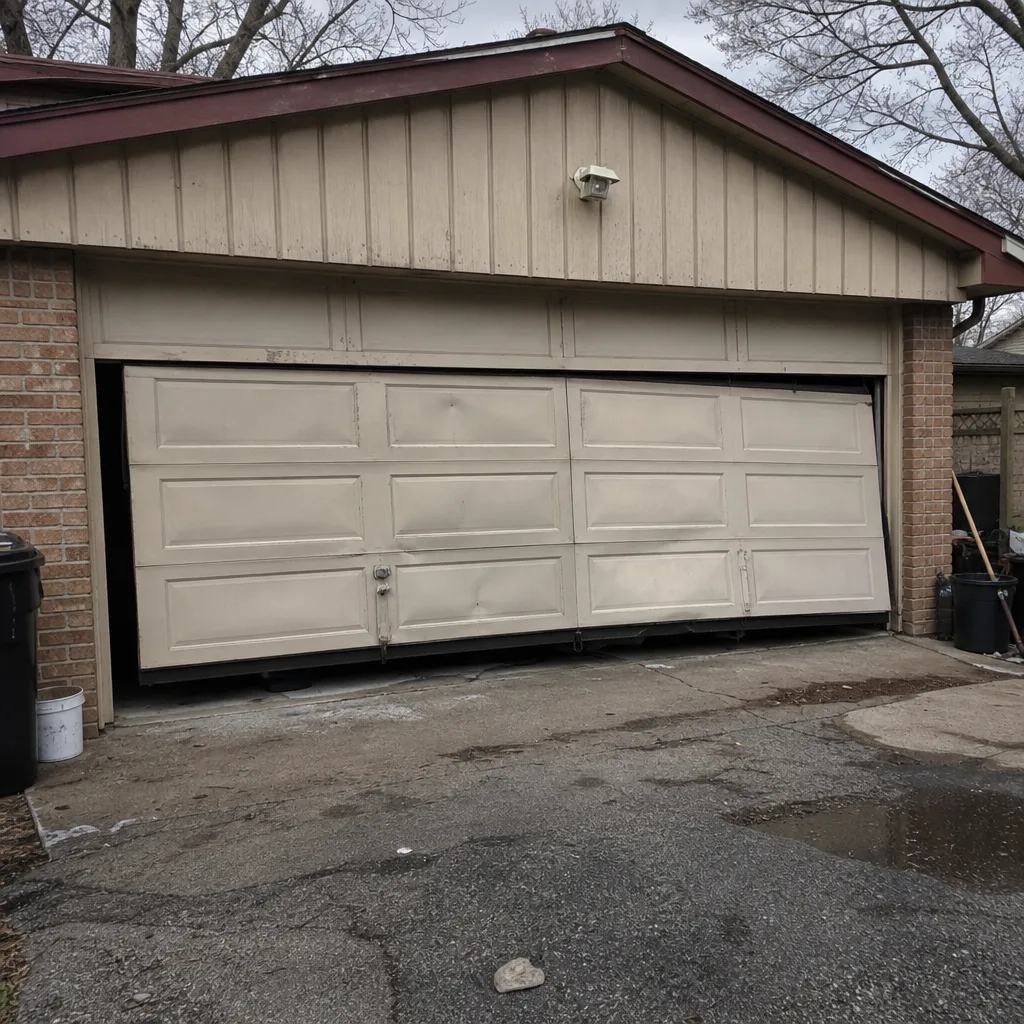 Before
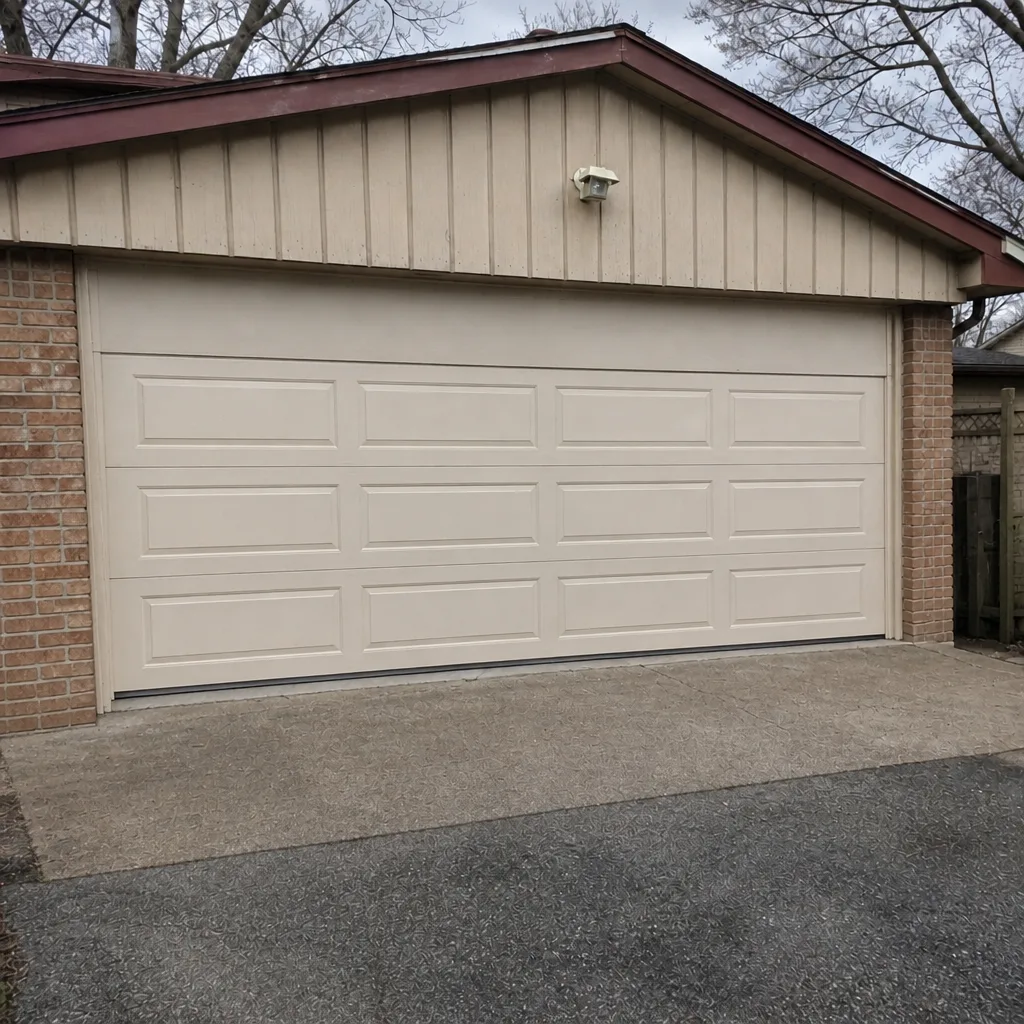 After
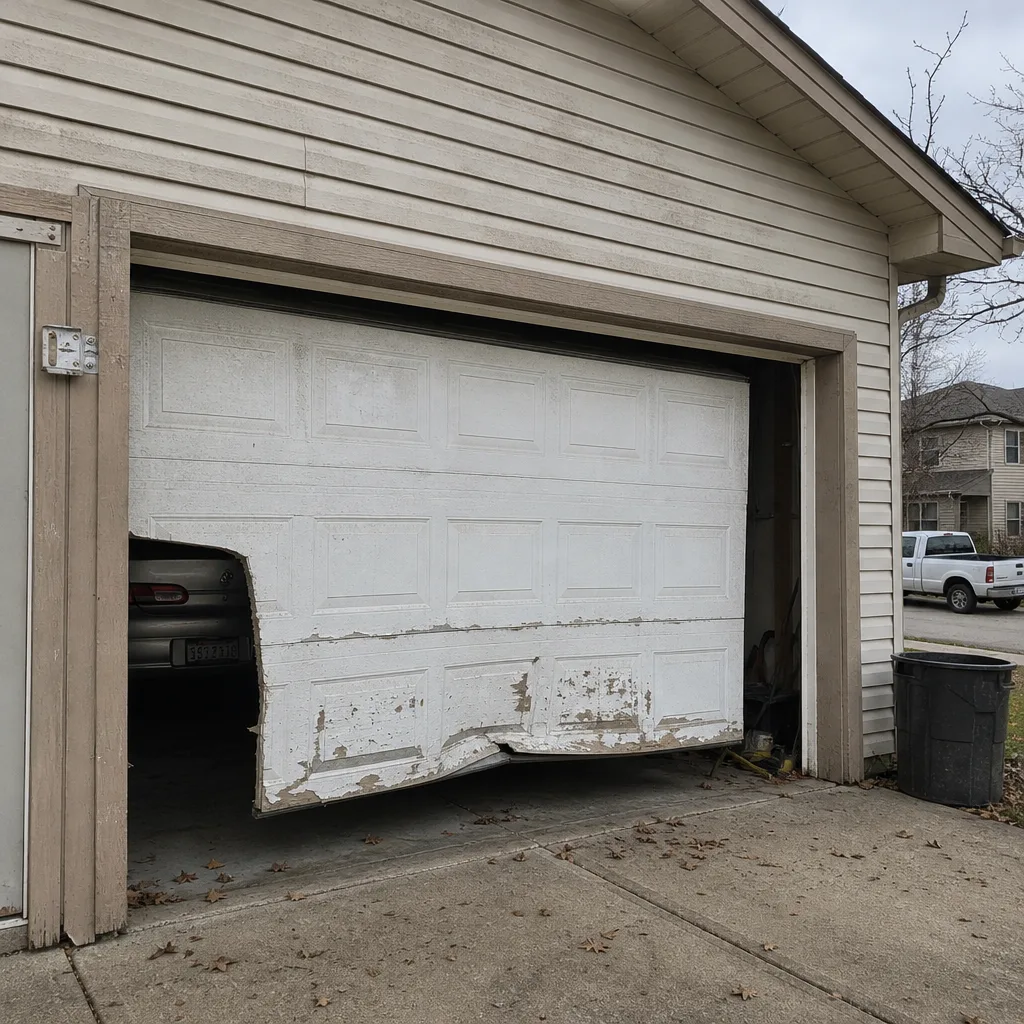 Before
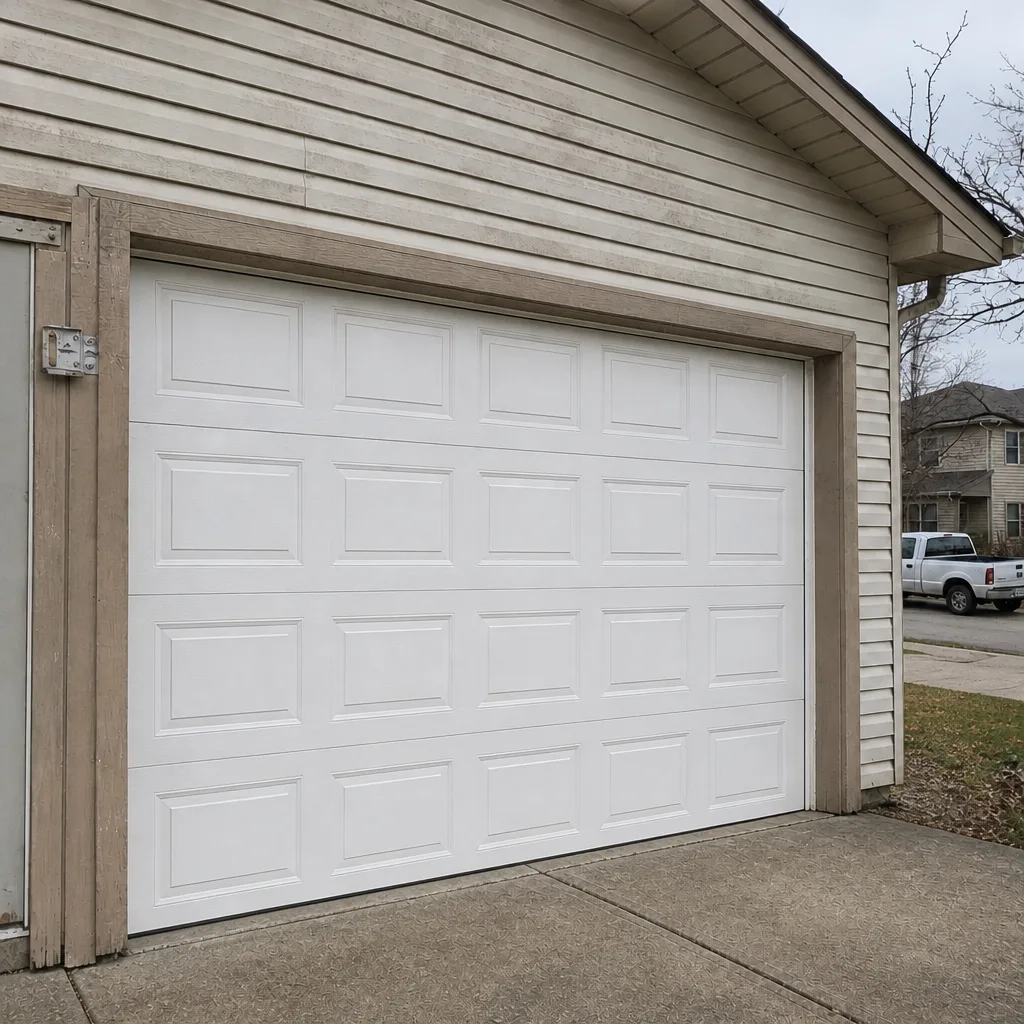 After
When to Call a Professional
Some issues are safe to notice and describe; others need a trained technician. Call a professional if a spring is broken or looks stretched, a cable is frayed or off its drum, the door is off its tracks or hanging unevenly, or the opener strains, reverses unexpectedly, or stops responding. These are the situations where a specialist’s tools and training matter, and where trying it yourself risks injury or further damage. For a new door or a full replacement, call for a free measure and a written price before you order, so the door, springs, and opener are matched to your home and cleared for HOA review. Flagship Garage Door Repair offers free estimates in Aurora – call (866) 983-4312. We answer 24/7. Fast dispatch from 7am to 7pm, Sunday through Friday.
Frequently Asked Questions
Climate fit and proper sizing come before style. An insulated, well-sealed door sized to your opening, with springs and an opener matched to its weight, performs better in Aurora’s freeze-thaw winters than a stylish door that’s under-insulated or mismatched. Get the measure and the spec right first, then choose the look. Call (866) 983-4312 for a free estimate.
A straight like-for-like replacement on an existing opening often doesn’t require one, but structural changes, new openings, or new electrical work for an opener can. Requirements vary, so confirm with your city’s building department before work starts. We point you to the authority that decides rather than guessing. Call (866) 983-4312 if you want to talk through your job.
Request the association’s current written guidelines, get the exact model and color number from the manufacturer, and submit the full packet with a spec sheet and color sample in one go. Keep the written approval on file. Most delays come from incomplete submissions or “close” color matches, not from the door itself. Call (866) 983-4312 for help lining up a spec sheet.
No. High R-value pays off when the garage is conditioned or used as a workshop, gym, or living space. On a detached, unheated garage, the money is usually better spent on tighter seals and careful installation. Insulation only performs if the door is installed with good weatherstripping. Call (866) 983-4312 to talk through your setup.
Repair a sound door when the problem is a failed spring, cable, roller, or opener. Replace when panels are dented, rotted, or separating, or when you’re facing repeated repairs on an old door. A professional can assess it quickly and tell you which makes sense. Flagship offers free estimates in Aurora – call (866) 983-4312.
No. Garage door springs are under very high tension and can cause serious injury if handled without the right tools and training. Leave spring and cable work to a trained technician. The same goes for electrical work on the opener or panel. Call (866) 983-4312 and we’ll take care of it safely.
The Bottom Line
Aurora’s climate, housing stock, HOA rules, and permit environment shape every garage door decision – so treat the city as the variable, not the backdrop. Buy for climate and fit first: an insulated, sealed door sized to your opening, with springs and an opener matched to its weight. Clear HOA review and check permit triggers before you order. When a spring breaks or a door comes off its tracks, call a specialist who knows the major brands and treats openers as precision systems. Flagship Garage Door Repair handles repair, opener repair, and installation under one roof, from a snapped spring to a brand-new door. Call (866) 983-4312 for a free estimate.
Written by the team at Flagship Garage Door Repair.